
By Ahmed Abdelsalam
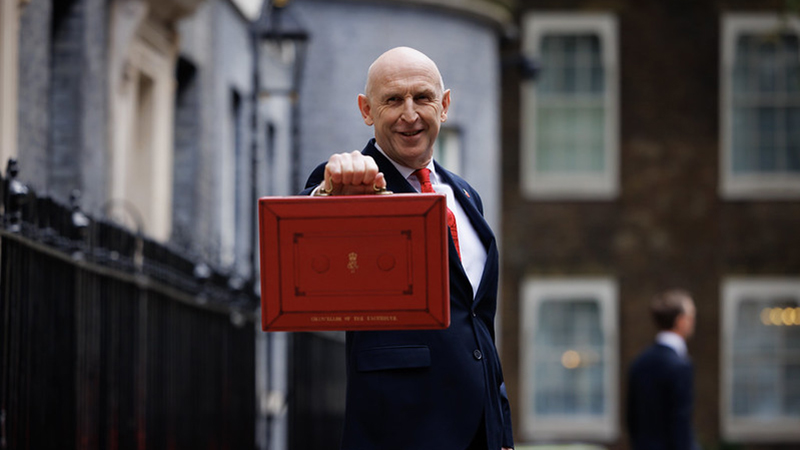
UK Chancellor John Healey announced a series of changes to Individual Savings Account (ISA) rules in his first Budget, reversing a planned reduction to cash ISA limits and introducing a new Starter ISA aimed at first-time investors. The Treasury also released further details on the upcoming First Time Buyer ISA, set to replace the Lifetime ISA in April 2029.
First Time Buyer ISA Details
The First Time Buyer ISA will launch in April 2029 with an annual contribution limit of £4,000 and a property price cap of £450,000, unchanged from earlier proposals. The government bonus of 25 per cent will now be calculated on the final account balance at the point of purchase, rather than on contributions alone, ensuring savers benefit from interest or investment growth. Transfers from existing Lifetime ISAs will not be permitted to prevent double claiming of the bonus.
Lifetime ISA Penalty Reduced
For current Lifetime ISA holders, the penalty for withdrawals not used for a first home purchase under £450,000 or for retirement will drop from 25 per cent to 20 per cent. This change means savers will no longer lose a portion of their own money beyond the forfeited government bonus. The Lifetime ISA is still scheduled to close to new accounts in April 2029.
Cash ISA Limits Reversed
The Budget confirmed the cancellation of a planned reduction in the annual cash ISA allowance from £20,000 to £12,000. The decision was welcomed by industry figures, including Skipton Building Society’s money chief Jazz Gakhal, who said retaining the existing limit supports savers and mortgage lending.
Starter ISA for New Investors
A new Starter ISA will be introduced to help people move from saving to investing. Details remain limited, but an industry-wide consultation is expected in the coming months. The product is likely to offer additional benefits or guidance for those who already hold an ISA but have not previously invested.
Outstanding Questions on Stocks and Shares ISA
Uncertainty remains over proposed changes to stocks and shares ISAs, including a 22 per cent tax on interest earned on cash held within those accounts. Those measures were originally designed to prevent savers from shifting money from cash ISAs into investment wrappers without actually investing. With the cash ISA limit unchanged, the need for such a tax is now unclear.


