By Salma El-Sakka
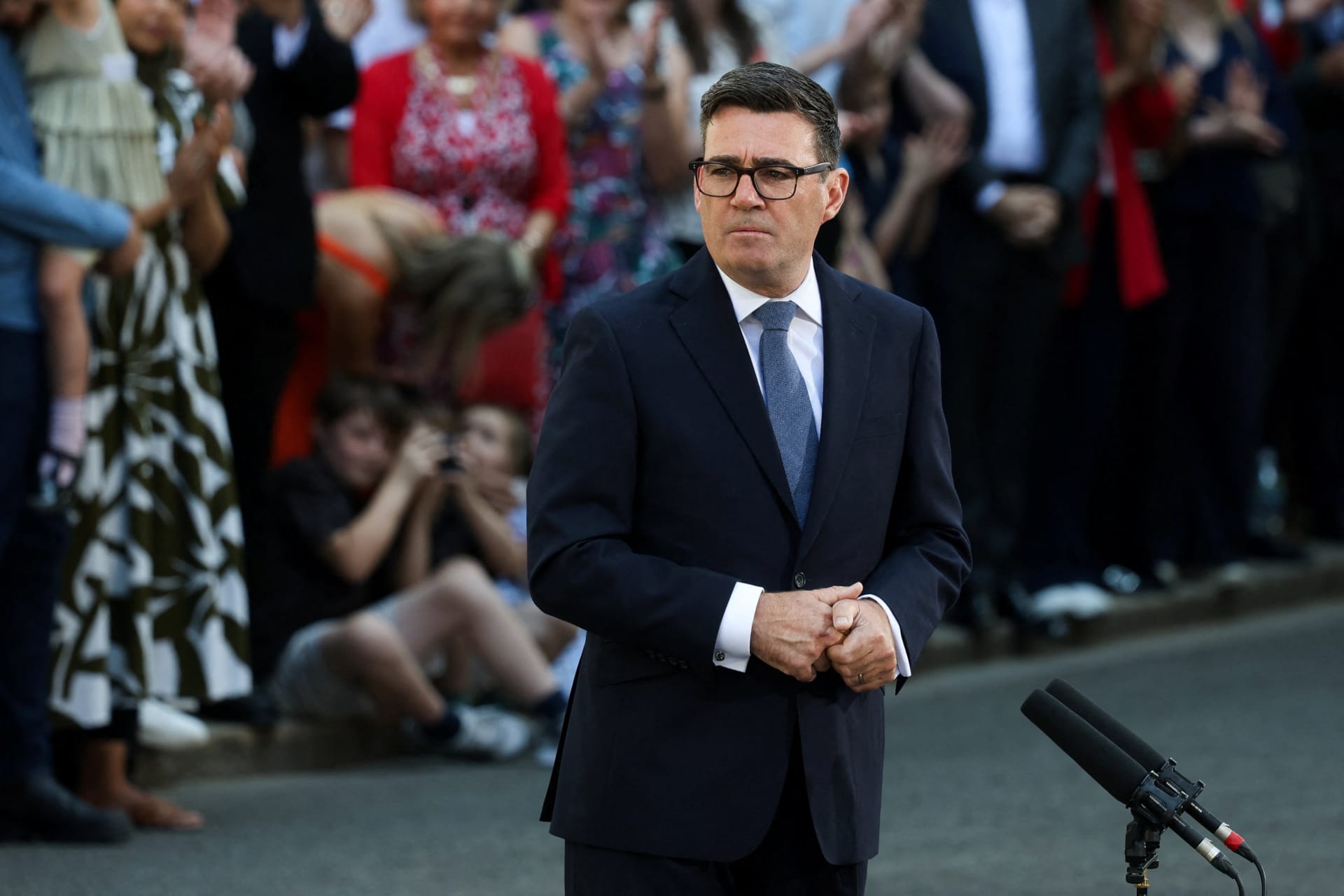
UK Prime Minister Andy Burnham ruled out calling a general election within the next 12 months, hours after delivering his first Budget alongside Chancellor John Healey. Speaking during a visit to a community centre in central London, Burnham said he was focused on "people" rather than "my own party and its prospects."
Budget delivery and election speculation
Burnham told reporters he could "rule out calling a general election in the next 12 months" and emphasized he was "leading from the front" and "putting Britain on a different path." He added that a 10-year plan would inform next year's spending review, stating these were his priorities rather than internal party political advantage.
Polling lead for Labour
The latest Ipsos figures show Burnham's party leading the Conservatives by eight points for voting intention, at 32% to 24%, with Reform UK third on 20%. An aggregate of recent polls compiled by The Independent places the governing party at 28%, Reform UK on a downward trend at 22%, and the Conservatives rising steadily at 21%.
Opposition reaction
Reform UK leader Nigel Farage described the Budget as a "retail Budget aimed at an early general election" that "attempts to please a very large number of people" without doing much overall. Farage noted the extension of fuel duty and VAT cuts to July, suggesting a possible election in June. A Conservative Party spokesman also appeared to anticipate a snap poll.
Budget measures
Chancellor John Healey announced the extension of a VAT cut on electricity to July, changes to the first-time Buyer ISA, and a reversal of Rachel Reeves' cut to the cash ISA limit. Millions of households are set to receive £100 to help with energy bills, alongside tax breaks for high street firms. The government retains £15bn in fiscal headroom by the 2029/30 financial year despite recent bond yield increases.