By Salma El-Sakka
In southern Chile's remote Guaitecas Archipelago, local fishers and Indigenous communities are working to restore marine ecosystems damaged by intensive salmon farming.
Restoring a 'dead' sea
Yesica Fabiana Leviñanco and her partner Paulo Vera Perez dive for shellfish, sea urchins, mussels and crabs off the archipelago's coast. Years ago, the area was devoid of marine life after a salmon farm discharged chemicals and antibiotics. The couple began transplanting healthy mussels and clams from other areas, and over time fish, birds and other marine animals returned.
Industry impact and controversy
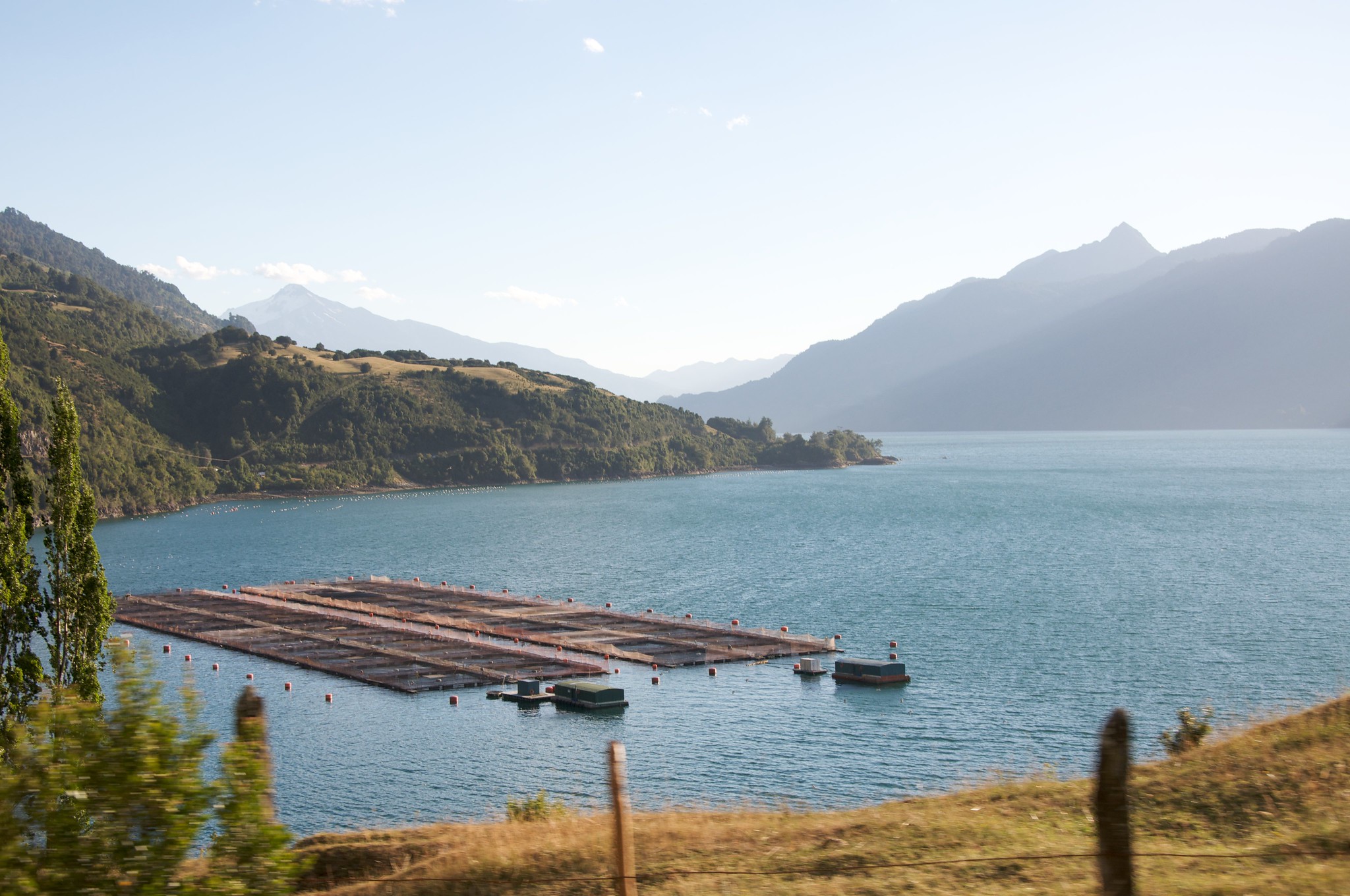
Chile is the world's second-largest salmon producer after Norway, with over 1 million tonnes produced in 2025. The industry uses large quantities of chemicals and antibiotics, and critics say it has polluted the sea, violated Indigenous rights and breached safety regulations. According to the nonprofit Ecoceanos, 90 workers have died in the industry since 2013. The Guaitecas Archipelago, a national reserve since 1938, hosts at least 313 authorized salmon farms.
Legal push for protection
Daniel Arturo Caniullan Huentel, a 52-year-old diver and ancestral authority of the Mapuche Pu Wapi community in Melinka, has led efforts to protect the area under Ley Lafkenche, a 2008 law allowing Indigenous communities to manage marine areas. The community won approval for 8,000 hectares in 2013, but saw larger applications rejected in 2017 and 2024. In March they applied for an additional 3,000 hectares and await a response.
Industry response and export markets
SalmonChile, a trade association, argues that declining fish stocks result from multiple factors including climate change, illegal fishing and non-native species. The United States buys 40% of Chile's salmon exports, followed by Japan and Brazil.
Ongoing struggle
Caniullan Huentel says the fight is about the future of the sea, small-scale fishing and generations to come, warning that failure to defend these territories risks permanent loss of natural and cultural heritage.