By Fatma Younis
US Secretary of State Marco Rubio made his second trip to India this year last week, but his itinerary avoided the capital New Delhi and a meeting with Prime Minister Narendra Modi. Instead, Rubio met Foreign Minister Subrahmanyam Jaishankar in Mumbai and visited the Reliance Industries oil refinery complex in Jamnagar, Gujarat, where he held talks with chairman Mukesh Ambani.
Rubio Bypasses New Delhi for Mumbai and Jamnagar
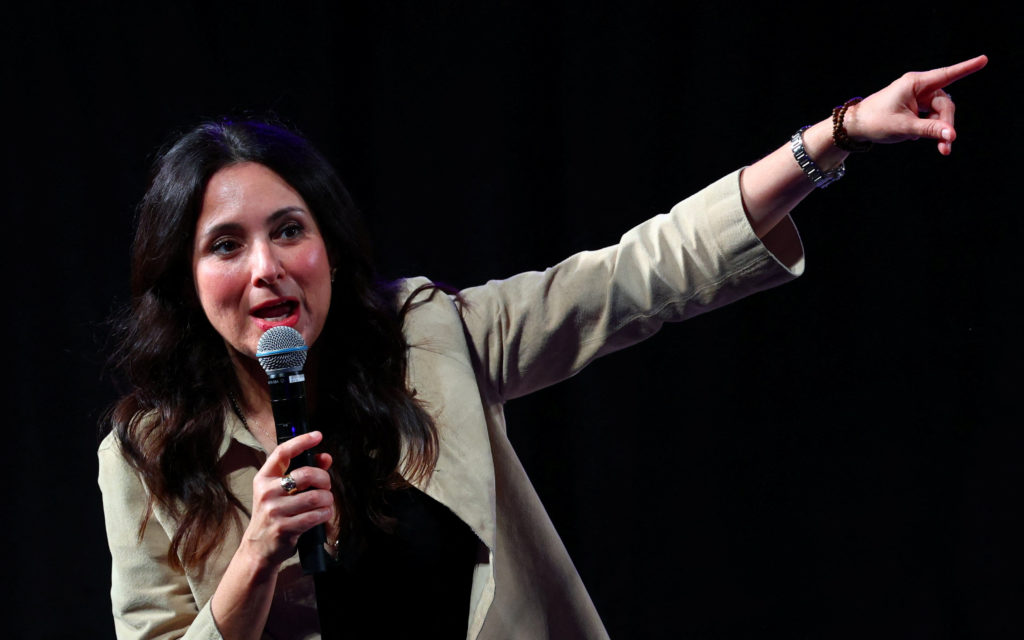
The decision to skip the traditional diplomatic hub drew attention, though analysts said the choice of venues was intentional. Milan Vaishnav, director of the South Asia Program at the Carnegie Endowment for International Peace, noted that the Trump administration views foreign policy through a deal-making lens, making Mumbai's financial center and Jamnagar's energy infrastructure logical stops for a secretary of state focused on commercial outcomes.
Transactional Focus on Business and Oil
Vaishnav said Rubio's Jamnagar visit signaled an effort to encourage Reliance, and by extension India, to process more Venezuelan crude oil. With US petrol prices high ahead of the November 3 midterm elections, the administration wants to demonstrate action on energy costs. India is both a major consumer and a significant exporter of refined petroleum products.
Pakistan Pivot Complicates Relations
The Trump administration's renewed embrace of Pakistan after the May 2025 conflict with India adds another layer of complexity. Trump credited himself for ending that conflict and welcomed Pakistan's army chief Asim Munir to the White House in June. Vaishnav attributed the shift to Trump's affinity for strongmen, Pakistan's diplomatic agility, and potential energy and cryptocurrency deals involving Trump's inner circle.
Trade and Immigration Tensions Persist
Despite record bilateral trade of nearly $68 billion in 2025 and pledges of $68 billion in US AI infrastructure investment in India, structural irritants remain. Trump imposed a 50% tariff on India in 2025, later reduced to 18% without a comprehensive trade deal. Restrictions on H-1B visas and green cards have disproportionately affected Indian workers in Silicon Valley, creating a trust deficit. New Delhi recently condemned remarks by US Vice President JD Vance about Indian professionals as "deeply offensive."
Long-Term Resilience Amid Uncertainty
Vaishnav warned that much of the current progress stems from decisions made years ago, and turbulence could hinder new initiatives. He argued that India's ambition to become a global powerhouse requires political investment in a robust, inclusive democracy, alongside economic reforms such as efficient dispute resolution, an impartial legal system, and regulatory certainty. Both sides, he concluded, cannot afford to treat the other as expendable.