By Salma El-Sakka
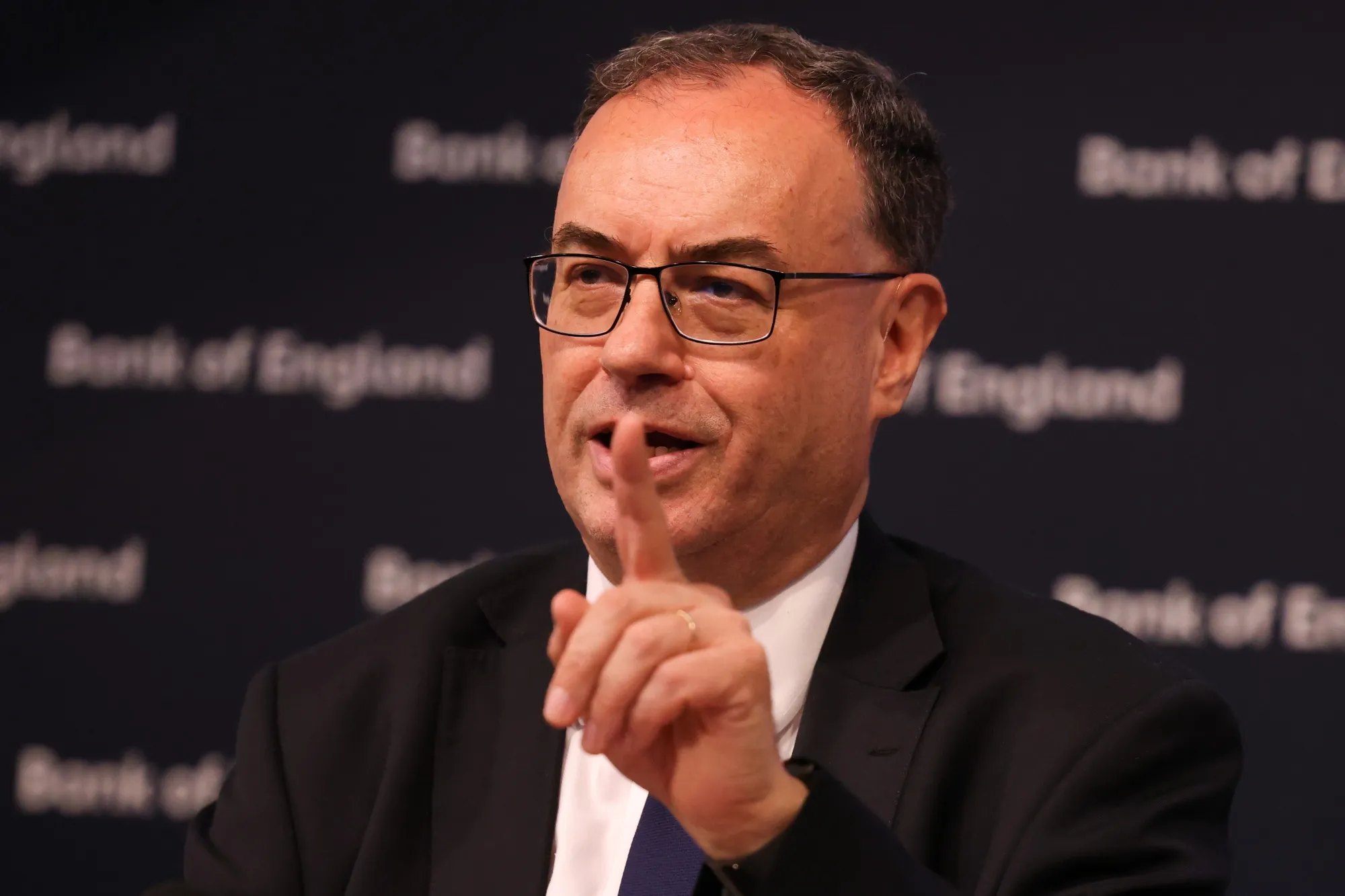
The Bank of England raised its base interest rate to 4% from 3.75% on Thursday, marking the first increase since August 2023 as policymakers warned inflation could climb to around 5% by mid-2027.
Rate Decision Driven by Energy Price Shock
The Monetary Policy Committee voted unanimously for the quarter-point hike, though member Catherine Mann favored a larger 0.5 percentage-point increase. Governor Andrew Bailey said the move was warranted by inflationary pressure already “in the pipeline” from rising energy costs linked to the ongoing conflict involving Iran, the US and Israel.
Inflation Forecast Sharply Revised Upward
The central bank now expects inflation to peak at about 5% in the second quarter of 2027 before gradually falling to the 2% target by late 2028. Household energy bills are set to jump nearly 25% to an average £2,150 annually in January when Ofgem raises its price cap, and food inflation could reach 4.8% next year.
Growth Outlook Mixed
The Bank upgraded its 2026 growth forecast to 1.6% from 1.1%, citing resilient business investment partly tied to AI. However, it downgraded projections for 2028 and 2029 as higher rates and inflation weigh on demand.
Government Response and Economist Views
Chancellor John Healey said the Iran conflict is “reaching deep into the pockets of families” and pointed to budget measures including a £100 energy payment for 20 million households. Economists anticipate further rate hikes, with some seeing a February increase as likely unless energy prices fall sharply.