
By Salma El-Sakka
The UK housing industry has reached a critical juncture as new home registrations saw a significant decline in the third quarter of the year. According to data from the National House Building Council (NHBC), 26,231 new homes were registered, representing a 13% annual decrease compared to 30,279 during the same period in 2025.
Market Demand and Supply Pressures
Affordability challenges and supply-side constraints are continuing to impact the sector. Private sector registrations dropped by 8% to 18,359, while the rental and affordable housing sector experienced a steeper decline of 23%, falling to 7,872 registrations. Daniel Pearce, chief strategy officer at the NHBC, noted that the pipeline of new homes is shrinking and demand remains fragile.
Government Initiatives and Budget Expectations
In response to these challenges, the Government recently introduced the 'Your First Home' initiative. This scheme aims to assist first-time buyers by allowing them to purchase new builds with a 2.5% deposit, supported by a government-backed 20% loan. While the NHBC described the scheme as a welcome step toward addressing affordability, experts emphasized that the upcoming Budget must provide clarity on its operation, including income and property price caps.
Regional Trends in Home Construction
The decline in registrations was most pronounced in the South East of England and Northern Ireland, both of which saw a 32% decrease. Other areas experiencing significant drops included Wales (24%) and the East of England (20%). Conversely, some regions showed growth, with Yorkshire and the Humber recording a 27% increase and the West Midlands seeing a 10% rise. In London, registrations remained relatively stable compared to the previous year, though the long-term trend shows a substantial decrease from 2019 levels.
Meeting National Housing Targets
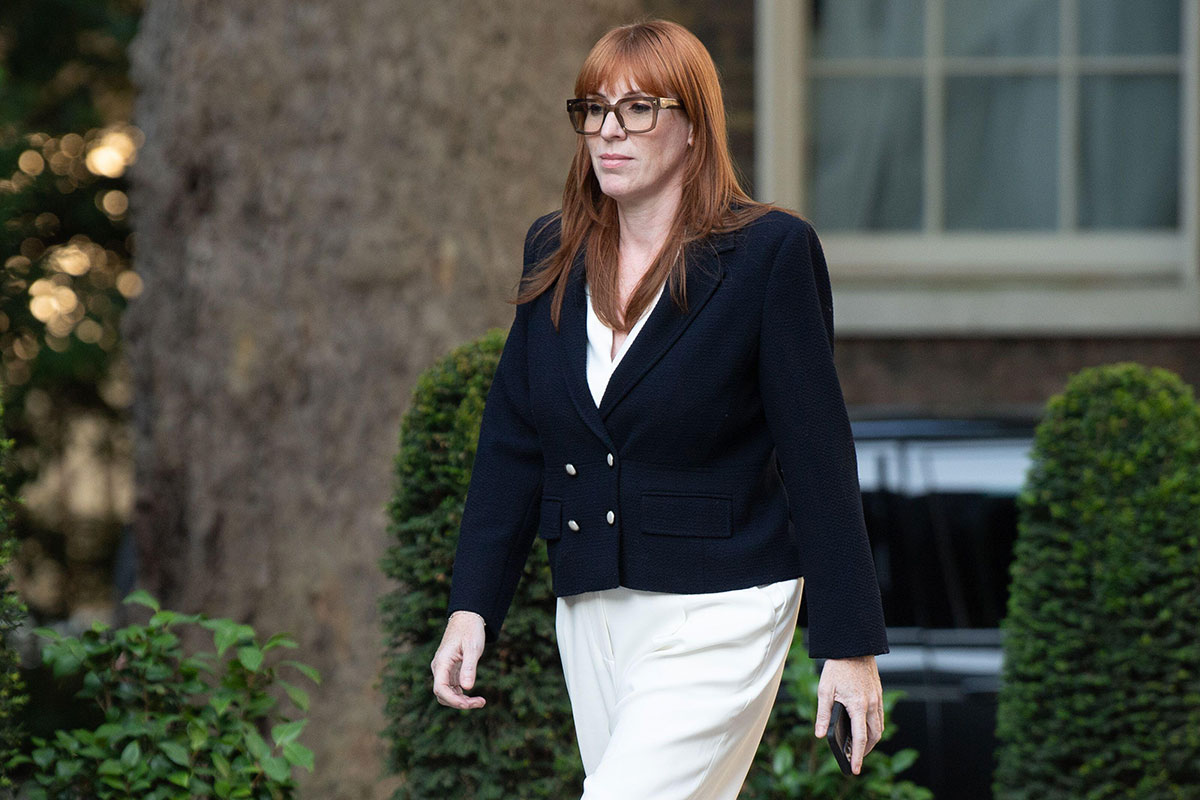
The Government maintains a target to deliver 1.5 million new homes in England over the current Parliament. Housing Secretary Angela Rayner recently reaffirmed her commitment to this goal, despite acknowledging that international economic headwinds have made achieving the target more difficult. To support this objective, the Budget is expected to include over £1 billion for social and affordable housing alongside increased borrowing powers for local councils.


