By Ahmed Abdelsalam
New archaeological research suggests that Verica, the Iron Age ruler of the Atrebates tribe in southern Britain, may have been a queen rather than a king, challenging long-held historical assumptions.
Key role in Roman invasion
Verica ruled territory covering modern-day Hampshire and West Sussex before being ousted in 40 AD. After fleeing to Emperor Claudius in Rome, Verica played a central role in prompting the Roman invasion of Britain in 43 AD. According to Roman historian Cassius Dio, the invasion occurred because Verica persuaded Claudius to cross the Channel.
Evidence from coins and name
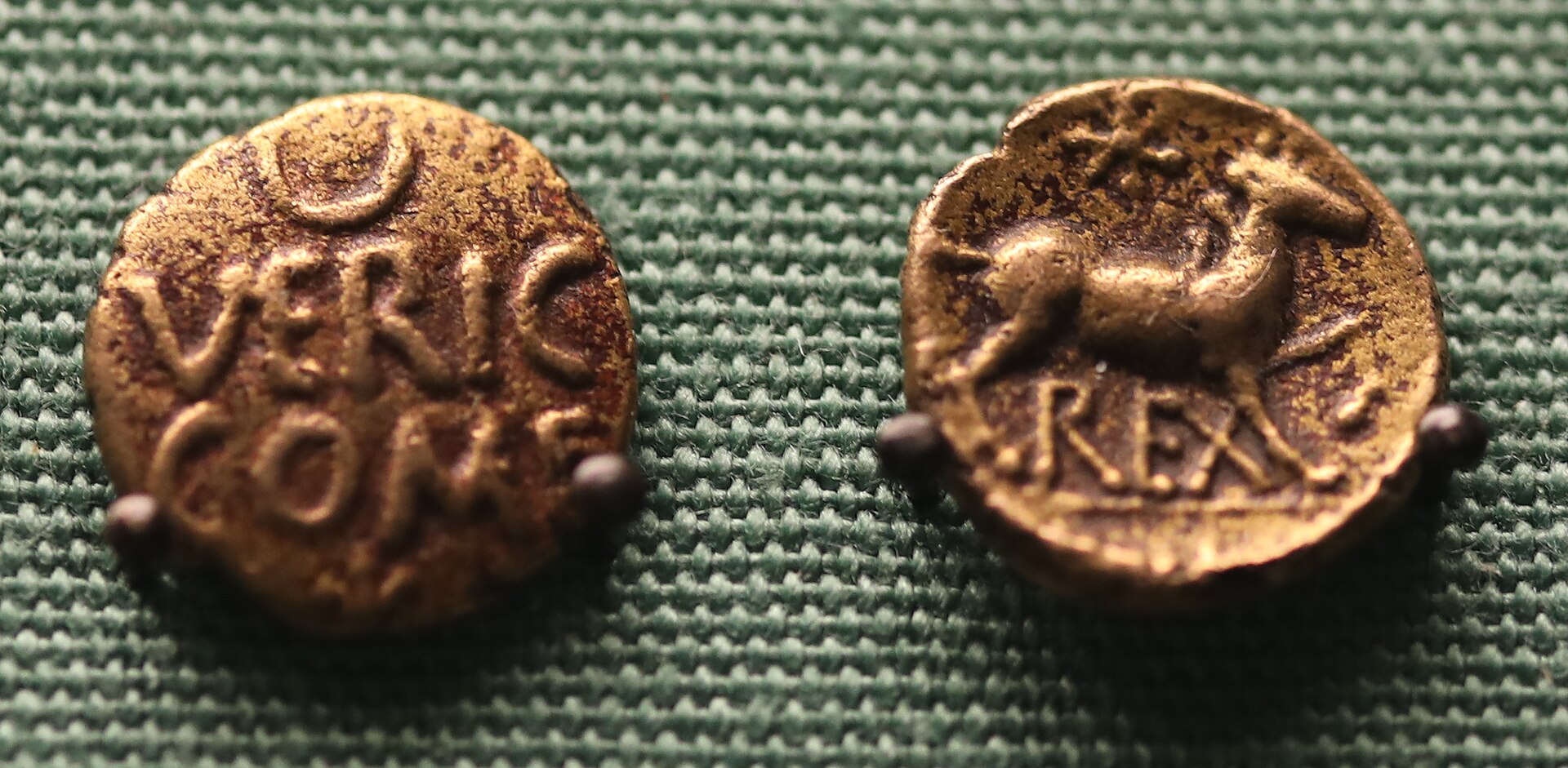
Dr Miles Russell, director of archaeological fieldwork at Bournemouth University, argues that Verica’s name ending in ‘a’ aligns with female naming conventions of the period, such as Cartimandua and Boudica. Coins from the era depict Verica as a slender, bare-breasted figure riding horseback, contrasting with the male warrior imagery used by other Iron Age leaders. The Latin title “rex” on the coins is non-gender-specific, used for both male and female rulers recognized by Rome.
Historical significance
Dr Russell contends that Verica was a major political player whose story has been overlooked due to 19th-century patriarchal interpretations. The research, published in the book “Caratacus: Great King Of Britain,” suggests that without Verica’s appeal for military support, Rome might never have invaded Britain. Verica should be remembered as a female king and one of the earliest and most important British female leaders.