By Basant El-Faramawy
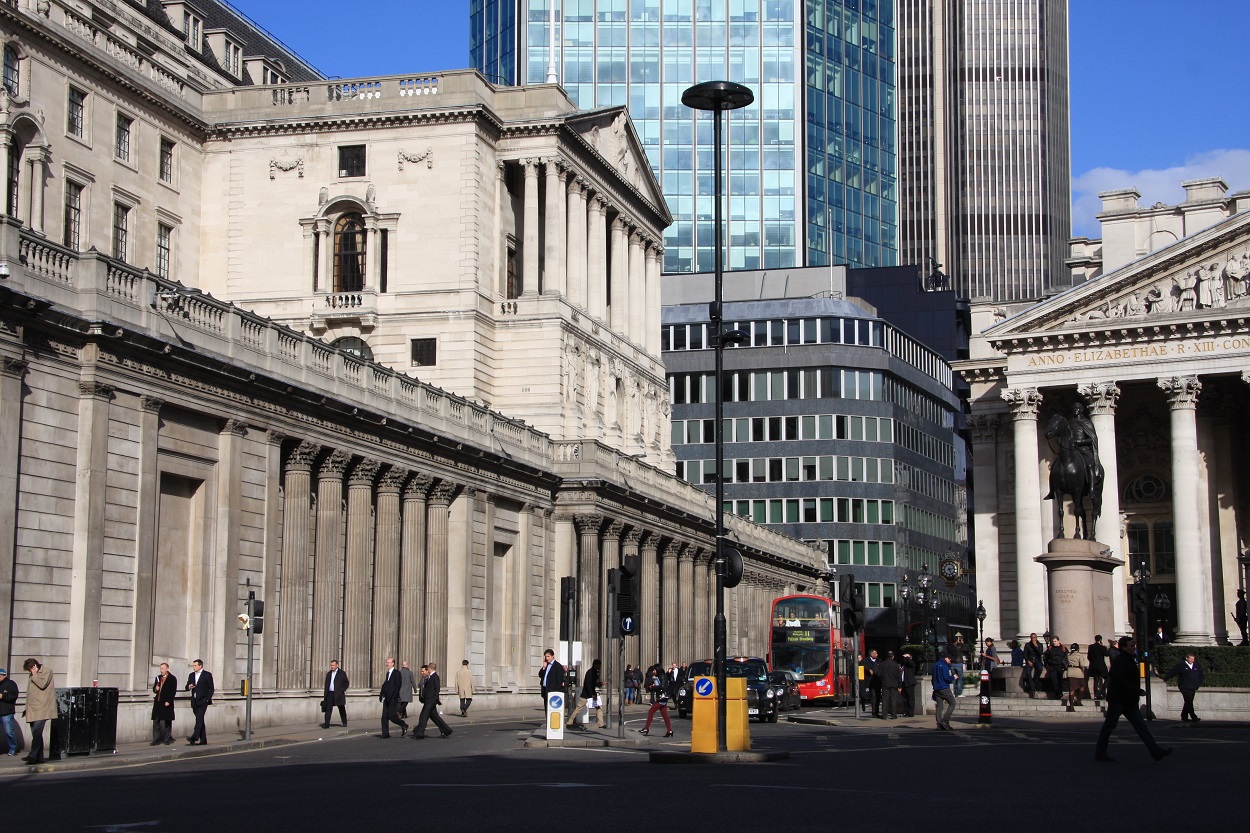
The Bank of England has raised its base interest rate from 3.75% to 4%, marking the first increase in more than three years as policymakers respond to persistent inflationary pressures driven by the ongoing Iran conflict.
Monetary Policy Committee Acts on Inflation
The nine-member Monetary Policy Committee delivered the widely expected move on Thursday, reversing earlier expectations of rate cuts this year before the escalation of hostilities in the Middle East. The decision comes just one week after Chancellor John Healey's first budget promised consumers "breathing space" from the economic squeeze caused by the conflict.
Energy Costs Drive Policy Shift
Since the launch of Operation Epic Fury in February, Brent crude oil prices have remained consistently above $100 per barrel for the past two months, though they fell sharply following Democratic victories in the US midterm elections. The closure of the Strait of Hormuz has choked off supplies, pushing UK inflation to 3.5% in September — the highest level since October 2025 and well above the Bank's 2% target. Inflation is expected to continue rising into the new year.
Global Central Banks Follow Suit
Other major central banks, including the Federal Reserve, the European Central Bank, and the Bank of Japan, have already begun raising rates in response to soaring global inflation.
Impact on Mortgage Borrowers
The rate increase could affect more than 2 million mortgage borrowers who are due to refinance fixed-rate deals over the next year, potentially increasing monthly repayments for households across the UK.