By Salma El-Sakka
Historic England has added nearly 200 historic places to its heritage at risk register, highlighting growing threats from extreme weather and coastal erosion. The 197 new entries include a Norman castle built by William the Conqueror, a Swiss-style chalet where Charles Dickens wrote, and a swathe of moorland devastated by wildfire.
Norman castle and Dickens chalet among additions
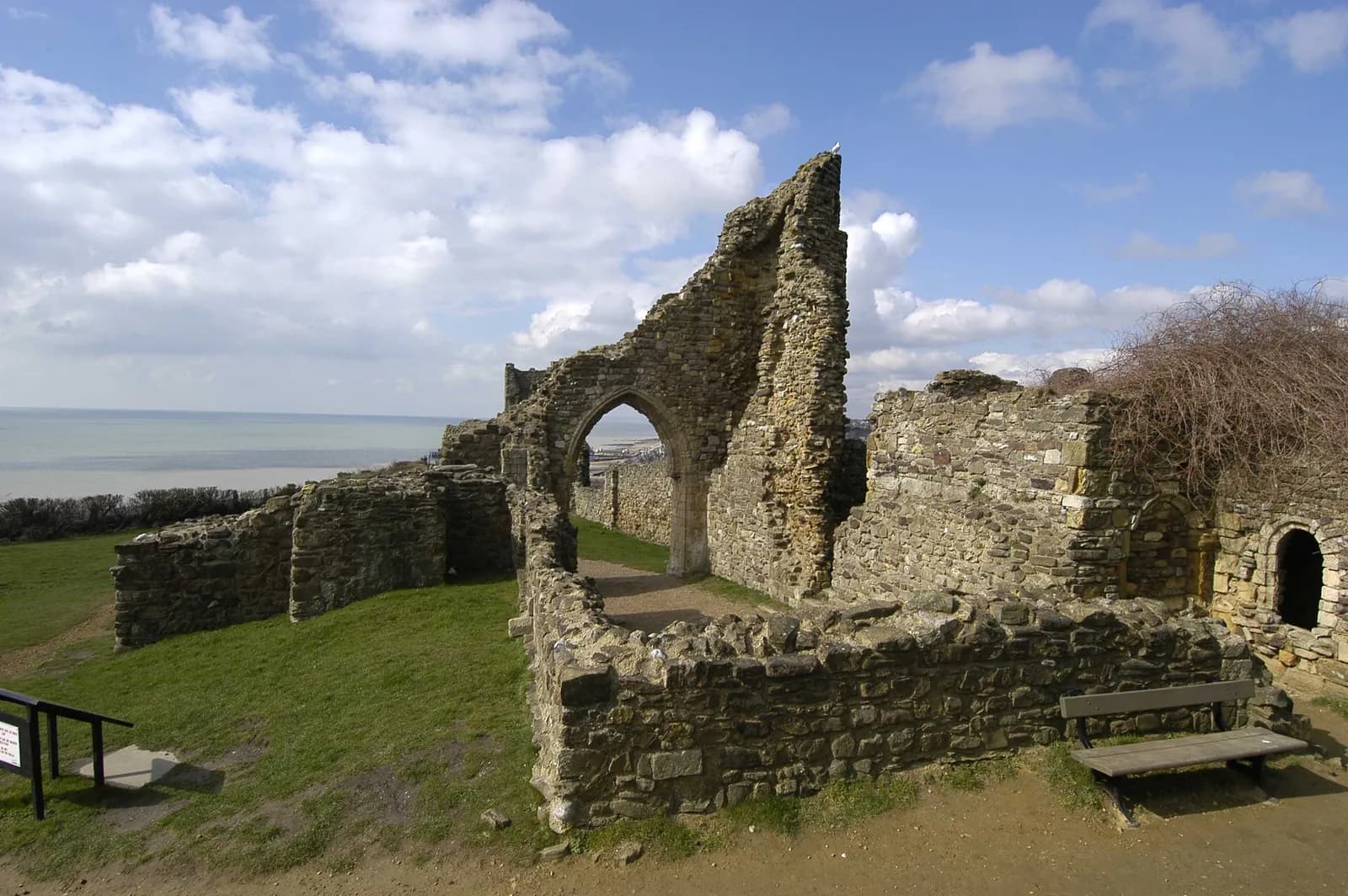
Hastings Castle in East Sussex, one of the fortifications commissioned after the 1066 Norman invasion, has been added because recent extreme weather events have made sections of the ruins vulnerable. The exposed coastal setting and erosion have long shaped the site, but water ingress and subsidence are increasing due to changing weather patterns.
Charles Dickens' wooden writing chalet in Rochester, Kent, has also been placed on the register. The two-storey building, originally in Dickens' garden at Gads Hill Place, served as a secluded workspace where he rehearsed performances and developed characters. It was moved to Rochester in the 1960s and is now judged fragile and in need of repair.
Fylingdales Moor in North Yorkshire, where a 2025 wildfire damaged about 25 square kilometres of moorland and forest, is another addition. The fire affected thousands of residents and workers and had a major impact on the natural environment. Historic England is working with the North York Moors National Park Authority, using drones to assess the damage.
Also newly listed are Hall's Croft in Stratford-upon-Avon, the historic home of William Shakespeare's daughter, which needs funding to repair its 17th-century timber-framed exterior after being hit by a vehicle, and the 18th-century Bidston windmill in Wirral, Merseyside, which requires urgent repairs despite being maintained by a friends group.
Climate emergency threatens sites
Emma Squire, joint chief executive of Historic England, said the diverse additions show that even places regarded as very special can be at risk of decay or loss. She noted that more extreme weather events and coastal erosion are definite themes, with water ingress and subsidence featuring more prominently because of changing weather patterns.
Sites removed from register
Historic England also reported that 85 sites have been saved and removed from the register. Among them is Newlyn harbour in Cornwall, one of the country's most important fishing ports, where local specialists restored granite structures and 19th-century wrought iron railings.
In Haringey, north London, a Georgian terrace house at 810 Tottenham High Road has been saved from dereliction by Tottenham Hotspur Football Club with support from the National Lottery Heritage Fund. It now operates as a creative hub with artists' studios, galleries and a cafe.
Edward Jenner's hut in Berkeley, Gloucestershire, a rustic summerhouse described as the site of the world's first vaccination clinic, has also been removed from the risk list.
Funding and future outlook
Historic England spent more than £12 million on grants for support and repairs to 135 sites on the register during 2025-26. The list still contains almost 5,000 sites, including 1,500 secular buildings, 1,000 places of worship, three battlefields and four wrecks.
Heritage minister Fiona Twycross said this year's register is an important reminder of the pressures facing the historic environment, from ageing buildings and structural deterioration to the impacts of extreme weather.