By Fatma Younis
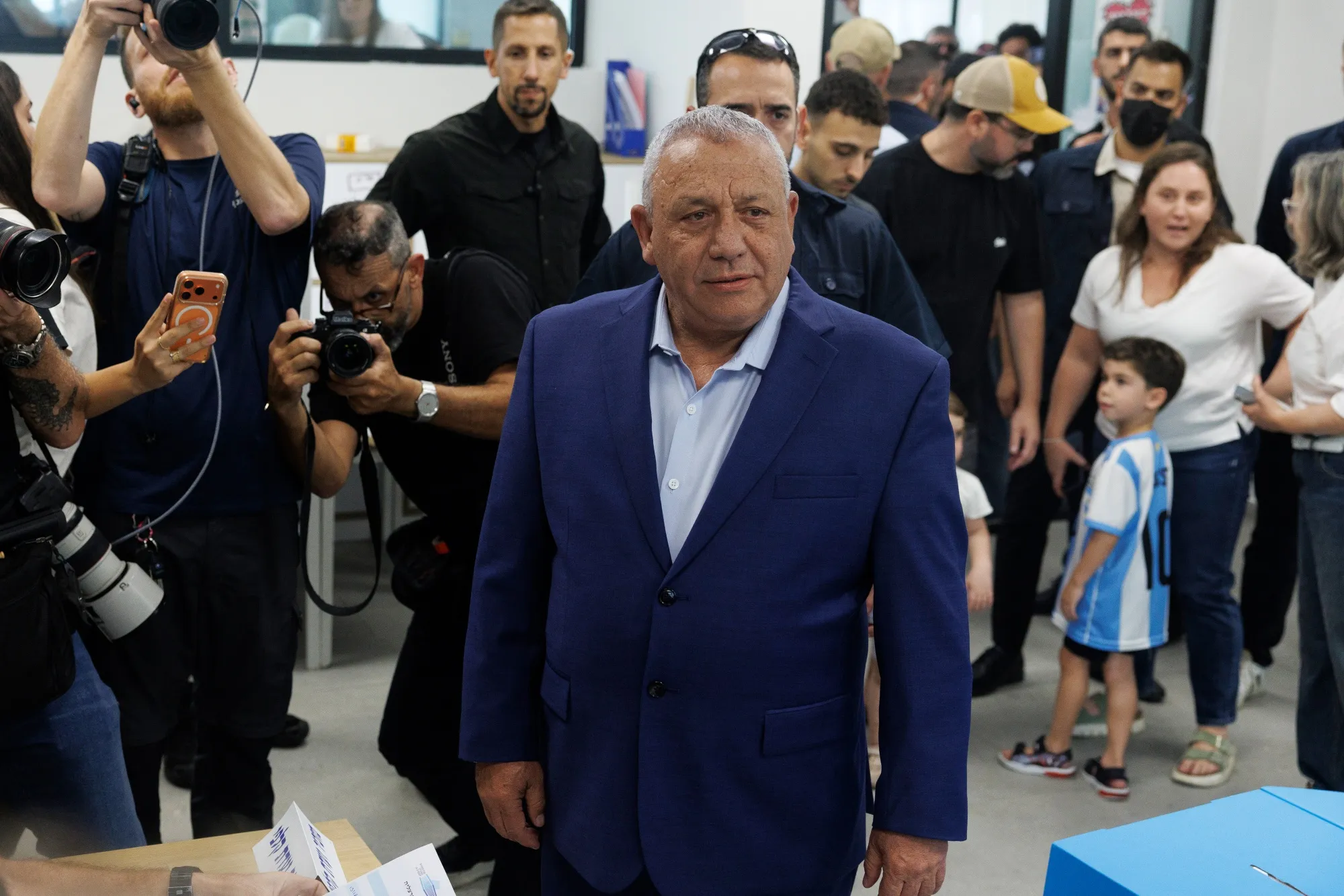
Exit polls from Tuesday's Israeli general election show a dramatic increase in representation for Palestinian parties, projected to win 17 to 18 seats in the 120-member Knesset, up from 10 in the previous parliament. The surge redraws the political landscape and forces opposition leader Gadi Eisenkot to consider cooperation with Arab-Israeli leaders to form a government.
Tied blocs and presidential discretion
Exit polls placed Eisenkot's opposition bloc and Prime Minister Benjamin Netanyahu's governing coalition in a dead heat, with neither side reaching the 61-seat majority. If confirmed, President Isaac Herzog will decide who receives the first mandate to form a government, a process that could take up to six weeks per candidate, leaving Netanyahu's coalition in a caretaker role.
Negotiations with Arab parties
Eisenkot's path to a majority likely requires negotiations with the two main Palestinian groupings: the Joint List, projected to win 11 or more seats, and Ra'am (United Arab List), projected at seven seats. Ra'am leader Mansour Abbas, who previously joined a right-leaning government, has expressed willingness to compromise and stated his priority is to oust Netanyahu and far-right allies. However, Ra'am's smaller seat count may not suffice for a majority even with a pact.
Joint List demands equality
Talks with the Joint List could be tougher. Eisenkot has set four conditions, including recognition of Israel as a Jewish and democratic state, acceptance of the declaration of independence, conscription for Arab citizens, and denouncing Hamas. Joint List official Amjad Shbita rejected preconditions, insisting on negotiations as equals. Without an agreement, Eisenkot might attempt a minority government, risking instability and another election that could benefit Netanyahu.