
By Salma El-Sakka
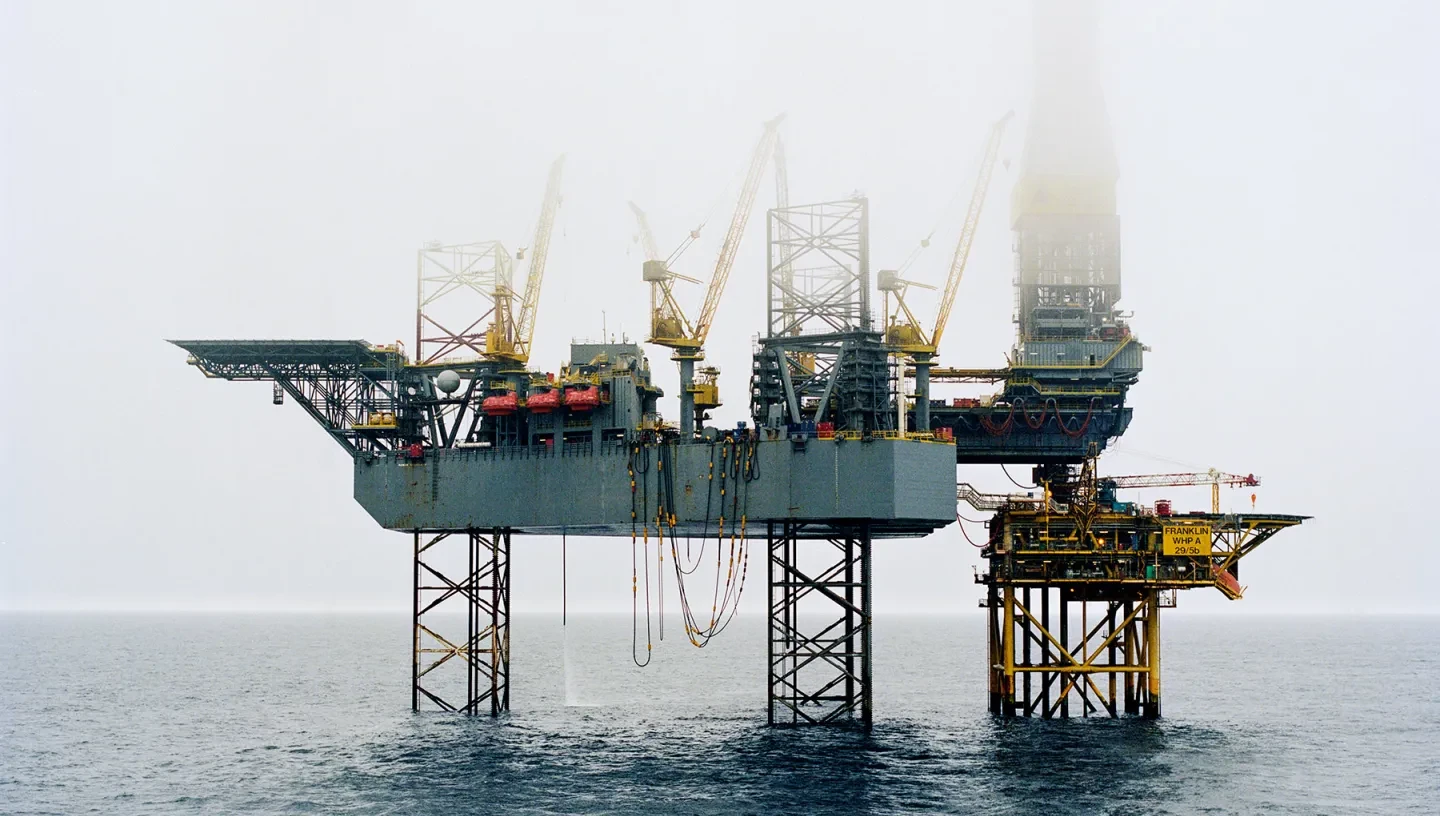
The UK government has introduced legislation to prohibit any new exploration for oil and gas in the North Sea. The Energy Independence Bill would remove the North Sea Transition Authority's power to grant new licences, fulfilling a Labour manifesto pledge from 2024.
Bill Details
The legislation includes Transitional Energy Certificates allowing existing fields to increase production in areas bordering or within already licensed fields. The government estimates this could yield about 60 million barrels of oil and support hundreds of jobs. The bill also scraps gas standing charges and introduces reforms to accelerate grid connections.
Rosebank and Jackdaw Fields
The ban would not affect the Rosebank field off Shetland, the UK's largest untapped reserve, which was approved in 2022 and remains subject to legal challenges. Two weeks ago, the government approved production at the Jackdaw gas field off Aberdeen, a decision environmental groups say undermines climate goals.
Political and Industry Reactions
Prime Minister Andy Burnham said the changes would "bring bills down for good" and put Britain in control of its energy future. Energy Secretary Miatta Fahnbulleh said the bill builds a clean energy future "which people feel in their pockets." Conservatives labelled the bill "dangerous," with Shadow Energy Secretary Andrew Bowie accusing ministers of being "utterly delusional" about economic and energy threats.
Environmental Response
Greenpeace UK called the bill a "positive step forward" but demanded rejection of Rosebank, warning the field would "annihilate every single climate or cost-of-living benefit." Campaigners argue Jackdaw and Rosebank would accelerate the climate crisis while doing little for UK energy security since much output would be exported.
Industry and Scottish Views
Offshore Energies UK and the Aberdeen and Grampian Chamber of Commerce warned against winding down domestic production, noting Britain imports over 40% of its energy. Scotland's First Minister John Swinney declined a definitive position on Rosebank, stating any decision must comply with net-zero legal obligations.

