By Salma El-Sakka
Scientists have discovered hydrogen chloride gas seeping out of Mars, suggesting that geological activity may be occurring beneath the planet's surface.
Orbiter Detection and New Analysis
The European Space Agency's ExoMars Trace Gas Orbiter first detected hydrogen chloride in the Martian atmosphere in 2021. On Earth, such gas often emerges from magmatic vents, leading researchers to suspect similar volcanic processes on Mars. A new study now indicates that sufficient heat exists inside Mars to sustain volcanism until recently, and possibly still today.
Implications for Past and Present Habitability
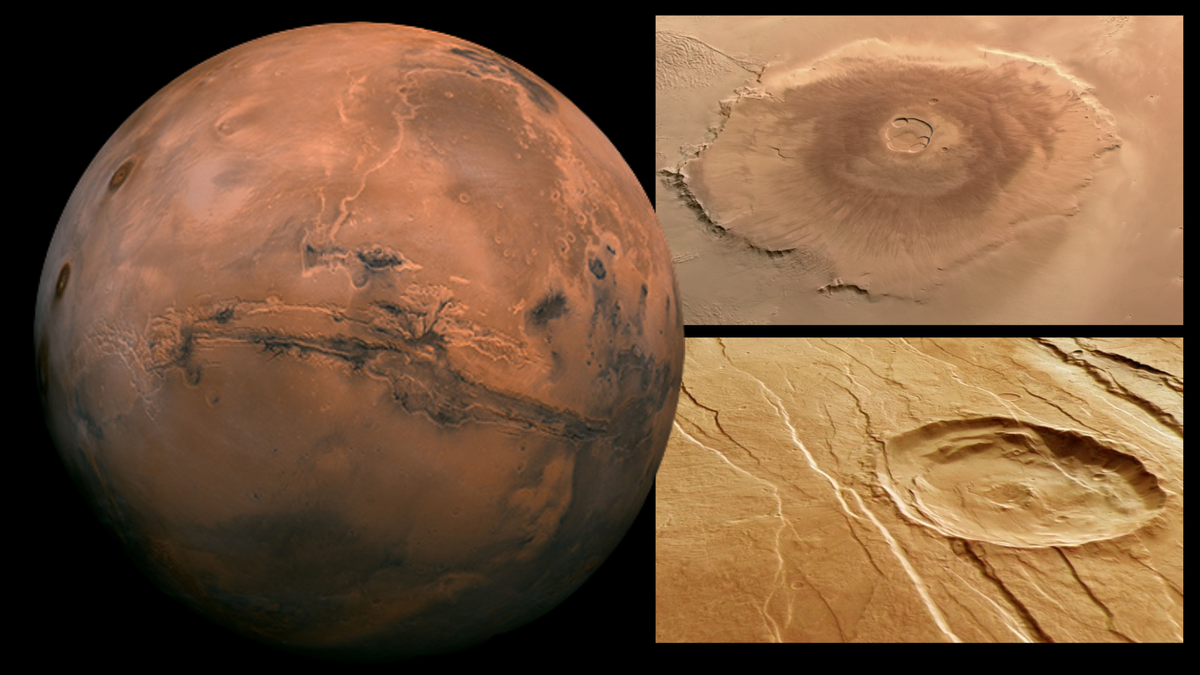
Mars hosts the solar system's largest volcanoes, though their current activity level remains unclear. Surface sensors have recorded "marsquakes," but no lava flows or eruptions have been observed. The latest findings propose that gas is escaping from a magma chamber, akin to volcanic plumbing, which could have mixed with groundwater to create habitable niches.
“Looking for martian life in the seeping fissures of the Alba Mons region would make a lot of sense,” said Daniel Mège, professor at the Space Research Centre of the Polish Academy of Sciences and co-lead author of the study. “If hydrothermal systems are active, they could contain the ingredients and energy needed for microorganisms to develop, and shield microorganisms from the hostile and changing environment above the surface.”
The research is published in the journal Science Advances under the title “Enigmatic HCl detections as a potential signature of igneous activity on Mars.”