By Islam El-Sakka
The 2026 US midterm elections delivered a sharp rebuke to the longstanding bipartisan consensus on Israel, as voters elected a wave of candidates critical of Israeli policy in Gaza and the broader relationship.
Trump signals shift on military aid
On election morning, President Donald Trump suggested cutting nearly $4 billion in annual military aid to Israel, replacing it with arms sales. The proposal drew condemnation from both pro-Palestinian and pro-Israel advocates, but signaled recognition that support for Israel has become a political liability amid a war in Gaza that has killed more than 70,000 Palestinians and been widely described as genocide.
Iran war also a factor
The election was also seen as a rejection of Trump's war in Iran, with Vice President JD Vance acknowledging the point was "obvious to almost everyone." Yousef Munayyer of the Arab Center Washington DC said Americans felt the impact of the Iran war at gas stations and grocery stores, with Israel playing a central role in that dynamic.
New House members reflect changing attitudes
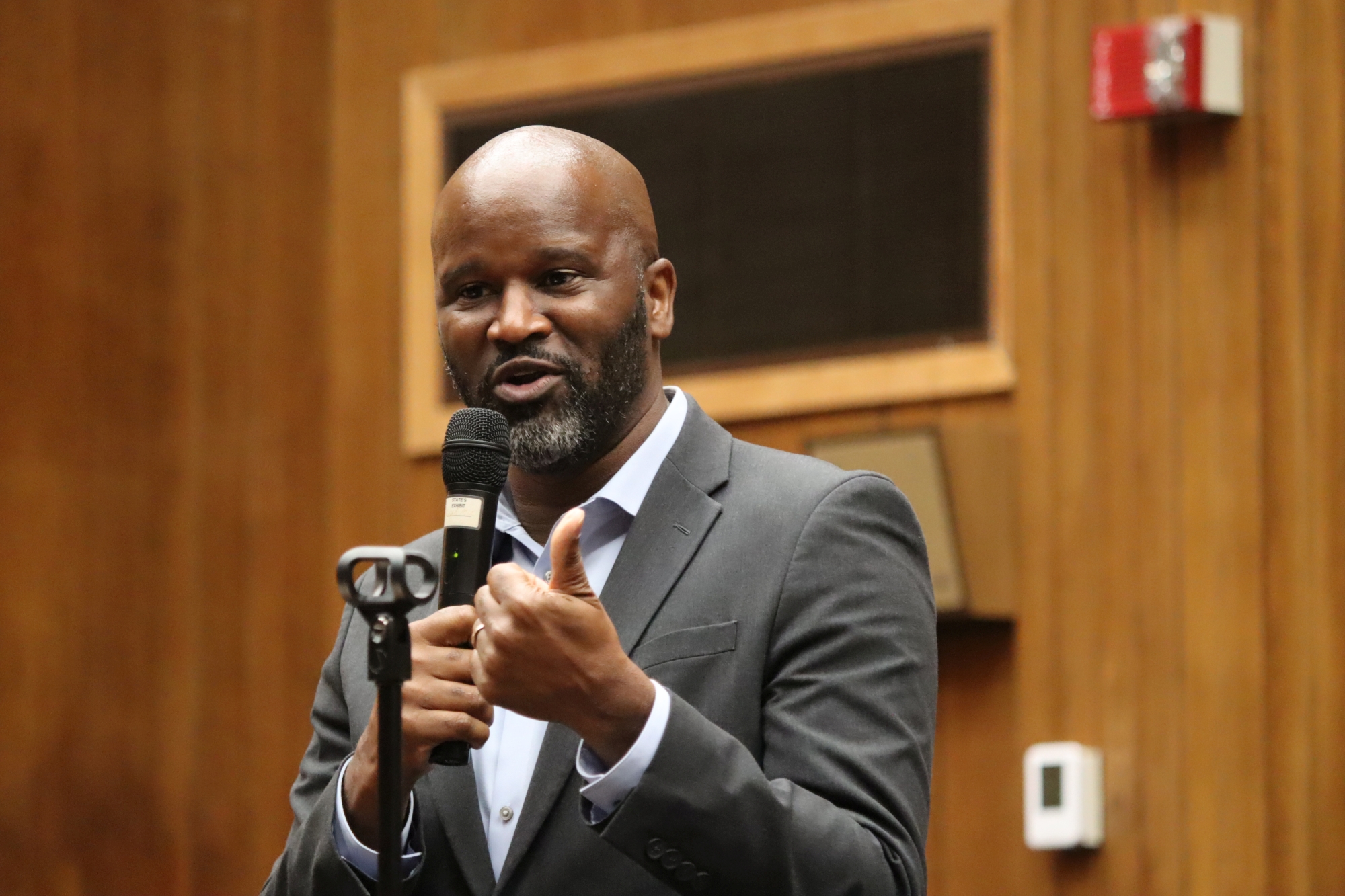
The incoming House will include an army doctor who served on a medical mission in Gaza, a lawyer fired for criticizing Israel's war, a Jewish lawmaker recently detained by Israeli forces while assisting Palestinian olive harvesters in the occupied West Bank, and a community organizer who participated in a pro-Palestine student encampment.
El-Sayed wins Senate seat despite AIPAC spending
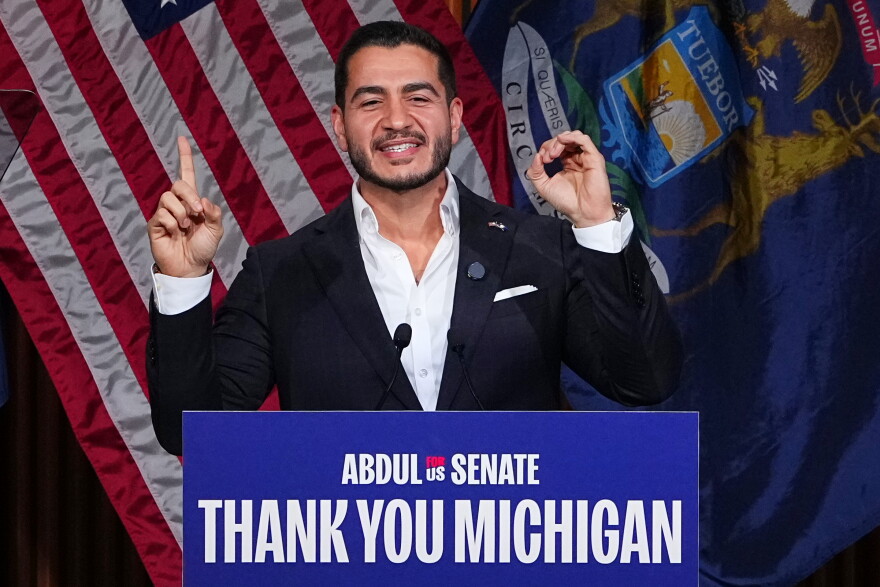
In Michigan, Abdul El-Sayed became the first Muslim elected to the US Senate, overcoming more than $40 million in spending by the American Israel Public Affairs Committee (AIPAC) to defeat him. Exit polls showed El-Sayed winning a majority of Jewish voters in the state.
AIPAC admits endorsements backfired
AIPAC acknowledged last month that its open endorsements were hurting pro-Israel candidates more than helping them, and announced it would stop making direct endorsements and contributions. Pro-Palestinian candidates, including Palestinian-Americans, won down-ballot races across the country despite tens of millions in opposition spending.
Jewish voters largely back Democrats
The Jewish advocacy group J Street reported that 72% of Jewish voters supported Democrats on Election Day, even as the Republican share of the Jewish vote increased since 2024. El-Sayed, in his acceptance speech, rejected accusations that criticism of Israel is inherently antisemitic.
Democrats urged to embrace anti-war platform
Analysts said the results reflect voter fatigue with foreign wars. Matt Duss of the Center for International Policy argued Democrats must seize the opportunity to become the party opposed to war, noting that Trump won in 2024 as an anti-war candidate because Democrats left that lane open.