By Ahmed Abdelsalam
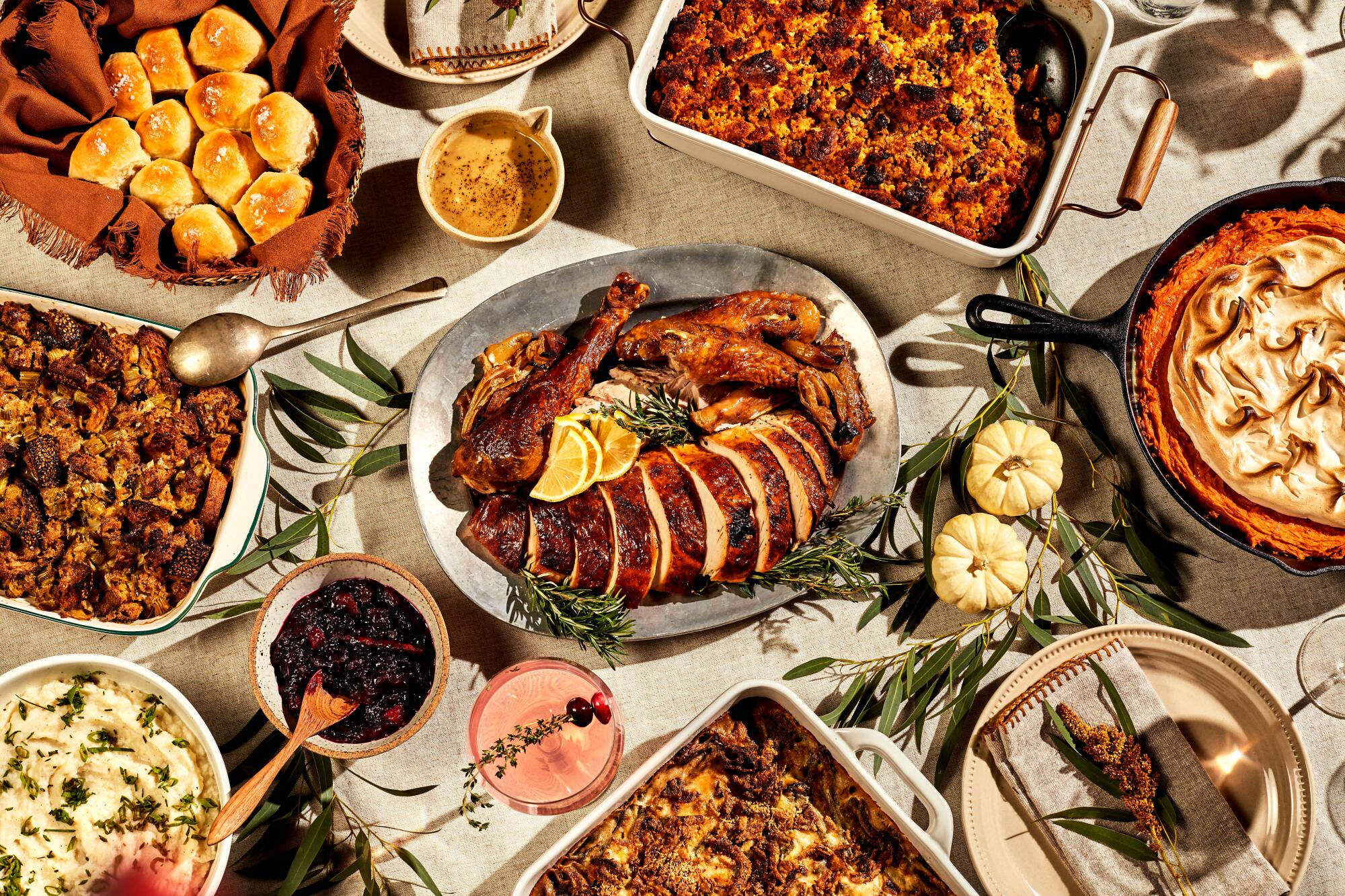
Almost 90 percent of Americans eat turkey on Thanksgiving, but the bird’s dominance stems from 19th-century campaigns rather than the 1621 Pilgrim feast. Historians note that the only firsthand account of that first harvest celebration mentions “fowle” — which could have been ducks, geese, or turkeys — and five deer provided by the Wampanoag. Key ingredients of today’s traditional menu, such as potatoes, green beans, wheat flour, and sugar, were unavailable at the time.
The 1621 feast and the turkey myth
Edward Winslow’s record of the three-day feast describes wild birds and venison but does not confirm turkey. Later assumptions about the Pilgrims eating turkey arose from the abundance of wild turkeys in New England, not from direct evidence.
Sarah Hale’s campaign for a national holiday
The modern Thanksgiving tradition was largely shaped by Sarah Hale, editor of Godey’s Lady’s Book from 1837. A widowed poet and author of “Mary Had a Little Lamb,” Hale crusaded for decades to establish an annual national holiday commemorating the Pilgrims’ feast. She and her magazine promoted New England recipes featuring turkey, reinforcing the bird’s association with the holiday.
Turkey’s practicality and media promotion
By the 1880s, newspapers like Georgia’s Augusta Chronicle predicted that “every person who can afford turkey or procure it will sacrifice the noble American fowl.” Turkey was practical, picturesque, and relatively affordable, making it a natural centerpiece for a celebratory meal.
Lincoln’s proclamation and the Civil War context
The absence of Southern legislators during the Civil War allowed President Abraham Lincoln to declare Thanksgiving a national holiday in 1863, cementing the tradition Hale had championed. The holiday’s spread was further aided by media coverage and the iconic Macy’s Thanksgiving Day Parade, which later featured a giant Pilgrim-themed turkey float.