
By Islam El-Sakka
Europe could face a gas shortage this winter if Donald Trump fails to strike a deal with Iran to reopen the Strait of Hormuz, the International Energy Agency (IEA) warned in its quarterly gas report.
Storage levels at historic lows
Gas storage levels could fall below 10% of working capacity by April 2027 if Hormuz remains closed and Europe experiences colder-than-average weather. Storage levels entering winter are at their lowest since 2013, leaving the European market particularly exposed to cold spells and supply disruptions.
US strikes dampen hopes for deal
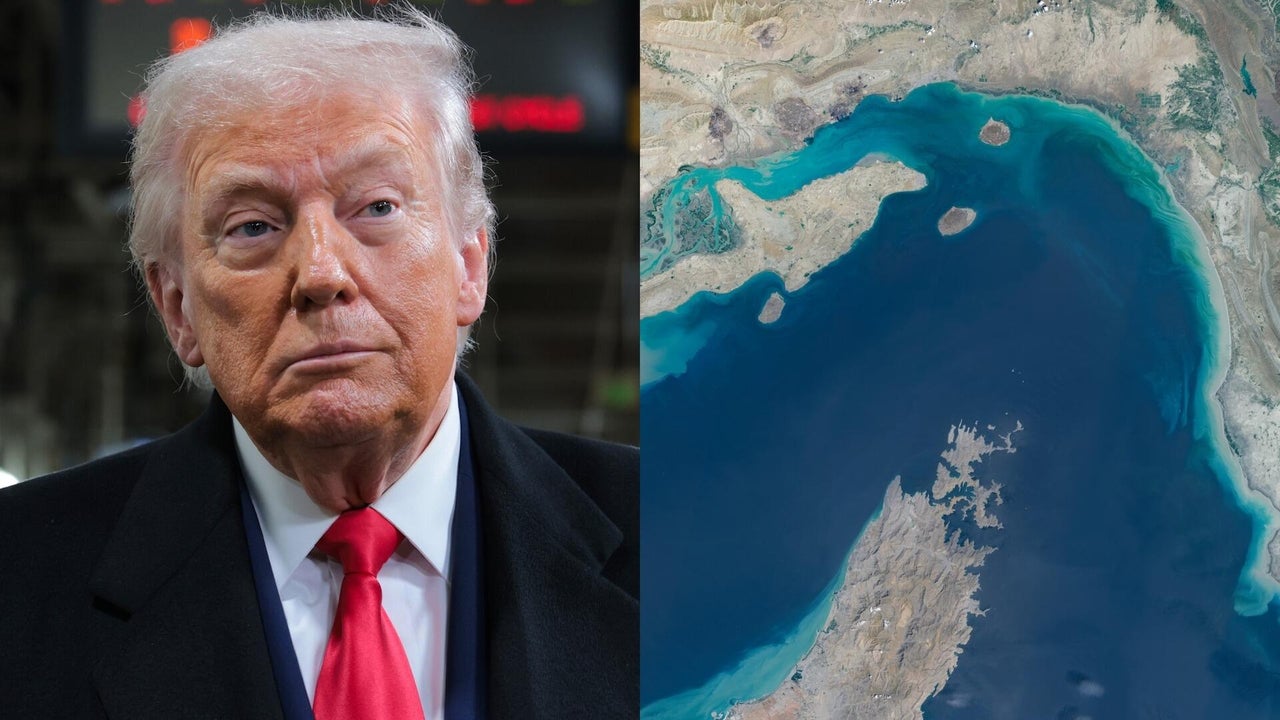
Hopes for a deal are low after the US launched fresh attacks on Iran on Monday, including one on Qeshm Island. Iranian supreme leader Mojtaba Khamenei warned Tehran will wage war with “no geographical restrictions” if US strikes resume. Trump has vowed to end Iran’s blockade of the Strait of Hormuz after the US midterm elections, with reports he could order more strikes soon.
Russian LNG dependency and alternative proposals
The EU has sought to reduce reliance on Russian LNG, importing a record 12.18 million tonnes of Russian Arctic LNG in the first nine months of 2026. Short-term Russian LNG contracts were banned from April 2026, with long-term bans set for 2027. Meanwhile, the Trump administration is reportedly pushing to restore Russian natural gas sales to Europe via pipelines through Ukraine, using a US intermediary to avoid EU sanctions. US envoys Jared Kushner and Steve Witkoff proposed the idea during trips to Moscow and Kyiv earlier this year.
Global LNG supply decline
The IEA report projects global LNG supply will fall by 3% in 2026, nearly 20 billion cubic metres. Global gas demand is expected to decline by around 1.5%, or 65 bcm, driven by demand destruction in the Middle East, lower industrial consumption in Europe, and gas-to-coal switching in Asia.

