By Salma El-Sakka
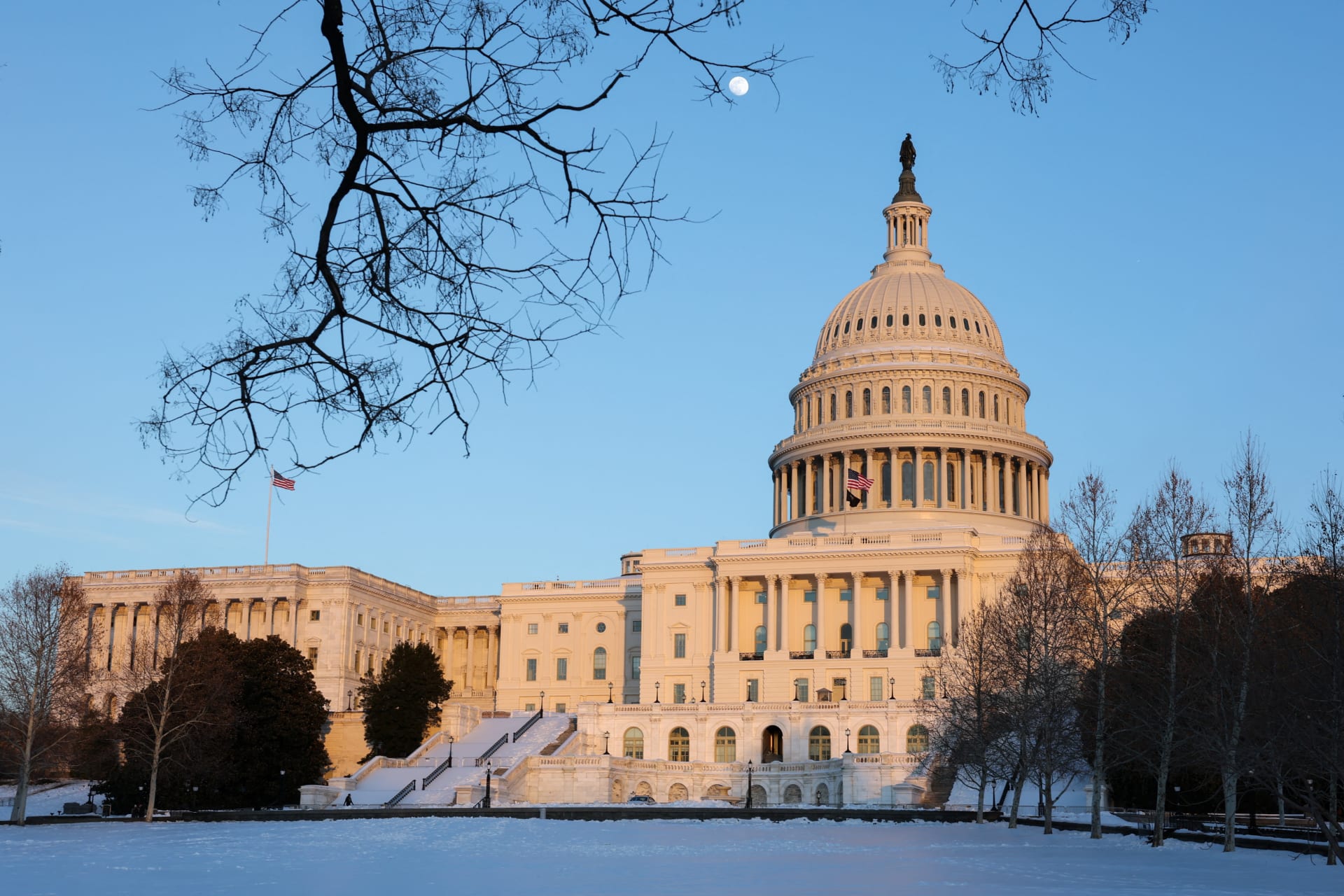
With one week until the November 3 midterm elections, control of both chambers of Congress remains up for grabs as voters render a verdict on unified Republican government in Washington.
House Majority at Stake
All 435 House seats are on the ballot for the 120th Congress. Speaker Mike Johnson enters Election Night with an effective 220-215 advantage over Minority Leader Hakeem Jeffries, a margin that includes 218 Republicans, one independent who generally supports the speaker, and two vacant seats. Democrats need a net gain of three seats to reach a 218-seat majority and make Jeffries the first Black speaker in U.S. history.
Johnson has campaigned on the GOP legislative record, including the Working Families Tax Cuts Act, while warning against what he calls “Mamdani madness” linked to democratic socialist gains in Democratic primaries. Jeffries has focused on affordability and anti-corruption, arguing Democrats are on track to win the majority.
Senate Battlefield
Thirty-five Senate seats are contested, with Republicans defending 22 and Democrats 13. Majority Leader John Thune currently holds a 53-47 edge, counting two independents who caucus with Democrats. Thune can lose up to three Republican seats and still retain control thanks to Vice President JD Vance’s tie-breaking vote. Democrats require a net gain of four seats to flip the chamber.
Early voting is already underway in many states ahead of the November 3 election.