By Ahmed Abdelsalam
South Africans are voting in highly contested local elections that could further erode support for the African National Congress (ANC), the party that has governed since the end of apartheid in 1994.
ANC faces steep decline
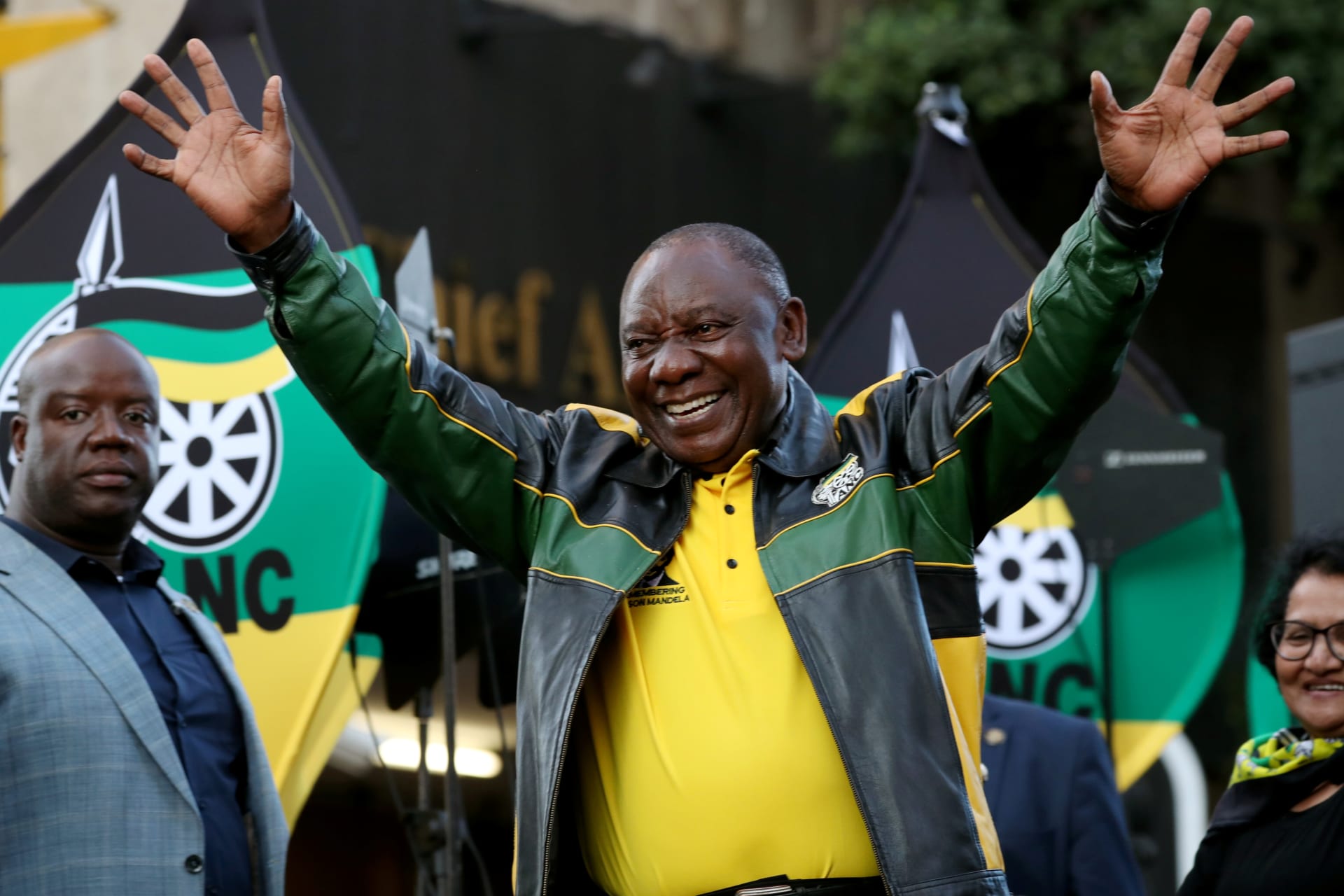
The ANC's share of the vote has fallen from a peak of 70% in 2004 to 40% in the last national election, where it lost its parliamentary majority for the first time. Anger over corruption, unemployment and crime has driven the decline. President Cyril Ramaphosa rejected suggestions of a downward spiral at a final rally, telling supporters the ANC would prove critics wrong on election day.
Township residents voice frustration
In Alexandra township near Johannesburg, first-time voter Sanele Ntombela said he hoped his ballot could bring change amid rubbish, electricity and water shortages. Many of his friends refused to vote, citing a lack of improvement. Zandile Mncube, 33, said she would not vote because conditions have worsened over the years. In Soweto, Mduduzi Makhubo, 45, described scheduled water cuts and planned to use his vote to challenge local leaders' "arrogance."
Analysts predict worst-ever ANC result
Political analyst Melanie Verwoerd said the elections would be a verdict on the ANC, with the party expected to perform its worst ever. An Ipsos poll placed ANC support at 30%, down from 46% in the 2021 local elections, while the Democratic Alliance (DA) was projected to rise to 25% from 22%. DA leader Helen Zille campaigned with stunts including swimming in potholes and riding a classic BMW to a rally, arguing DA-run cities work best.
Coalition governments likely to persist
Only three of South Africa's eight metros are governed by a single party; Gauteng's three metros are run by coalitions. Verwoerd and analyst Dr Levy Ndou predicted coalitions would continue, with an ANC-DA arrangement seen as the most stable option. The uMkhonto weSizwe (MK) Party, founded by former president Jacob Zuma, is projected to perform well in KwaZulu-Natal but may need partners to govern.
Voter turnout concerns
Over 29 million citizens are registered, but turnout, especially among young people, has declined steadily. Ndou attributed this to the calibre of candidates and the low visibility of local councillors during campaigns. The electoral commission has seven days to announce results, with parties allowed 14 days to form governing structures.