
By Islam El-Sakka
Solar panels continue to generate electricity during winter months, though output declines significantly due to shorter daylight hours and lower sun angles, not cold temperatures. In fact, cooler conditions can improve panel efficiency.
Winter Output Levels
Data from the European Commission’s PVGIS calculator shows a typical 4kWp system on an ideal south-facing roof in central England generates about 135 kWh in December and 147 kWh in January, compared to 486 kWh in July. Winter production can fall to 25-30% of summer levels, varying by location, roof orientation, shading, and panel type.
Snow and Freezing Temperatures
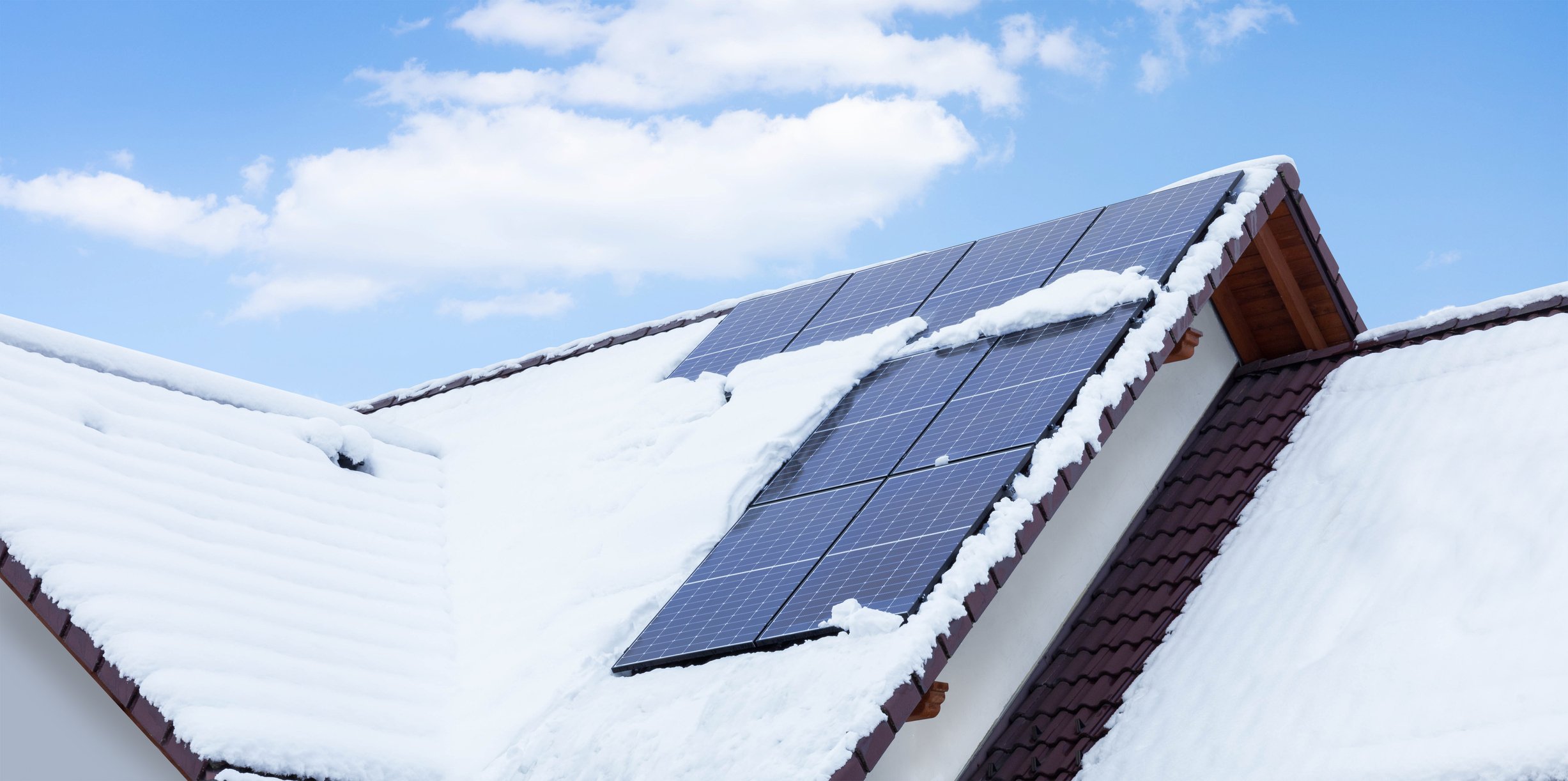
Panels can still produce power in snow, but a thick cover sharply reduces output by blocking light. A light dusting usually has minimal impact, and angled installations help snow slide off. Freezing temperatures do not damage panels; they often operate more efficiently in cold weather.
Maximizing Winter Performance
Homeowners can improve winter yields by keeping panels clean, installing battery storage, choosing high-performance monocrystalline panels, using microinverters or optimizers to mitigate shading, and ensuring optimal installation angles.
Year-Round Value
Despite seasonal dips, solar panels remain financially worthwhile when assessed on annual generation. They reduce grid reliance during expensive winter months and provide long-term protection against rising energy prices. Combined with falling installation costs and Smart Export Guarantee payments, systems typically deliver meaningful savings across the year.
Seasonal Bill Impact
Summer generation often covers most household needs and allows surplus export, while winter acts as a supplementary source. Battery storage can smooth the contrast by storing summer surplus and enabling off-peak charging in winter. Overall, solar functions as a year-round reducer of grid usage.

