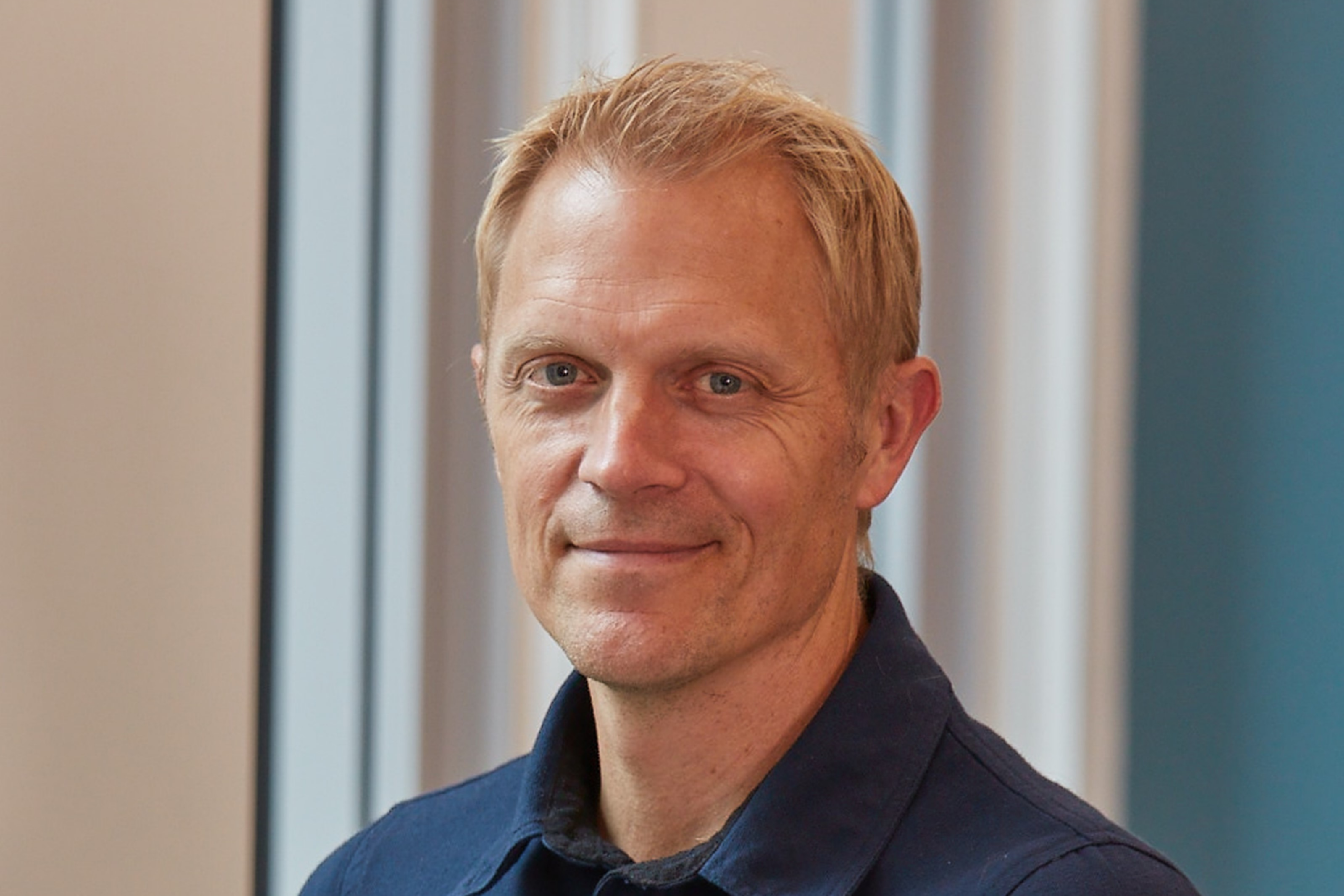
By Fatma Younis
The property and building industry faces an urgent question: can it deliver strong financial returns while also meeting responsibilities to people and the planet? The sector shapes how we live, work and invest, and sits at the centre of climate risk, social pressure and regulatory change. Capital discipline and asset value often pull toward short-term gains, while long-term resilience, health and sustainability demand a different horizon.
Short-term Focus vs Long-term Resilience
Too often the built environment prioritises quarterly earnings over ten-year strategies or buildings designed to last generations. That approach no longer matches reality. Looking ahead to 2050, three quarters of the buildings that will exist in developing countries have not yet been built; only a quarter already stand. The pace of change demands a fundamental rethink of return on investment, asset portfolios and long-term performance.
Future Building Demands
For new construction, data and digital tools can support far smarter design decisions. This means careful consideration of energy sources, renewable integration, locally sourced and resilient materials, and passive design to maintain comfort as temperatures rise. With increased flood and fire risk, nature-based solutions, green space and better air quality must be designed in. These choices shape quality of life for occupants and directly influence long-term asset value.
Retrofitting Existing Stock
For buildings that already exist, resilience is critical. Asset managers must ensure properties do not become stranded assets through refurbishment and retrofit. In England alone, around two million homes suffer from cold and damp, costing the NHS £1.4 billion every year. Improving insulation and reducing air leakage would improve lives and free public money to cut waiting lists, expand GP and mental health services, and tackle crumbling hospital infrastructure.
Health and Cost Impacts
The built environment accounts for roughly a third of global carbon emissions. Unless the 75 per cent of future buildings are designed properly and the 25 per cent already standing manage energy, water and resources far better, any chance of staying within a 2°C temperature rise will be lost.
BREEAM's Role
BREEAM, BRE's environmental assessment methodology, plays a vital role. With more than 600,000 buildings certified worldwide, BREEAM is already delivering safer, more resilient places and a better quality of life for the hundreds of millions of people who work in, stay in and visit BREEAM-certified offices, hotels and shopping centres each year.
Commercial Benefits
Certification also makes strong commercial sense. Asset owners are achieving significant reductions in energy and water use, recovering their costs many times over while future-proofing their portfolios.
Century-old Purpose
BRE was founded 100 years ago with a clear social purpose: helping returning soldiers after the First World War access decent accommodation. That purpose still guides the organisation today. The ambition remains simple – that every building in which we live, work, meet, eat, pray and play is safe, resilient, suited to its environment and built to last. Profit and responsibility are not incompatible; the industry must think about quarterly earnings and long-term strategy, resilience and returns, and about everyone in every building everywhere.