
By Basant El-Faramawy
The UK and EU are negotiating a Sanitary and Phytosanitary (SPS) trade deal that could remove checks on imported and exported food and agricultural products, potentially adding up to £5.1 billion a year to the UK economy. The agreement is expected to be discussed at an EU summit on 20 November.
Proposed changes to food and drink exports
British farmers could export fresh sausages, burgers, some shellfish from domestic waters, and seed potatoes to the EU without the current 100 per cent documentary checks and up to 30 per cent physical checks applied to goods such as dairy, fish, eggs, and red meat.
Removal of certification costs and fees
The deal could eliminate Export Health Certificates costing £200, Phytosanitary Certificates at £25, Organic Certificates of Inspection averaging £35, inspector fees of at least £127.60, port fees, and sampling costs that run to £1,200 per cheese load, £1,400 per salmon shipment, £440 per apple load, and £1,200 per beef load.
Pet travel passports restored
A multi-use passport system for British pets travelling to the EU could replace the current requirement for animal health certificates.
Political context
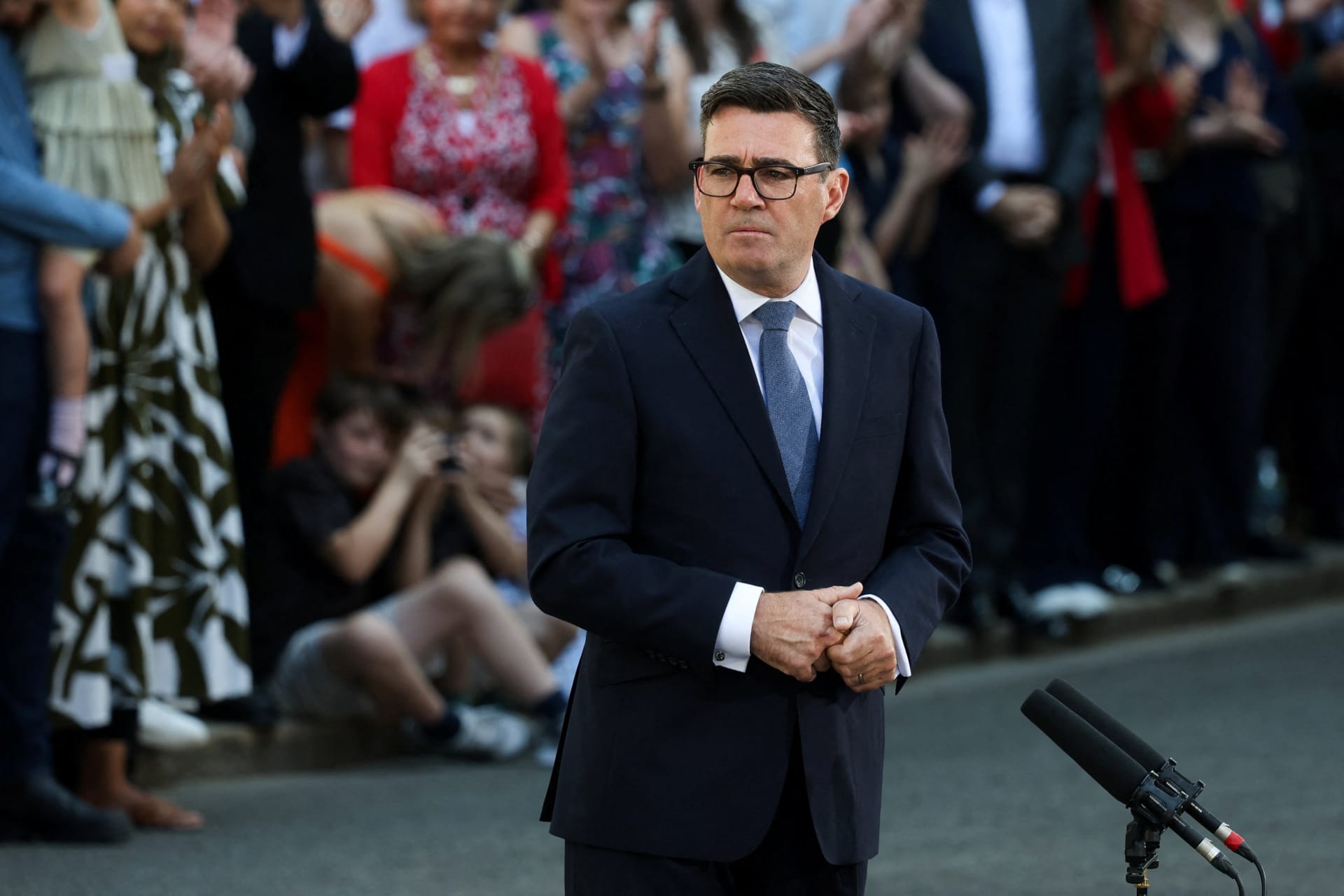
The agreement would mark a significant shift in UK-EU relations under Prime Minister Andy Burnham's premiership. Mr Burnham has said the current Brexit deal left Britain with "weaker control" over immigration but has ruled out rejoining the EU in this parliament. A government spokesperson said the aim is to build an ambitious, close relationship that strengthens the economy, protects British industry, and creates opportunities for young people.
Ongoing negotiations
Both UK and EU delegations are still discussing terms. In return for lifting export regulations, the UK would be expected to commit to observing and adapting to existing EU plant, animal, and food trade standards.


