
By Islam El-Sakka
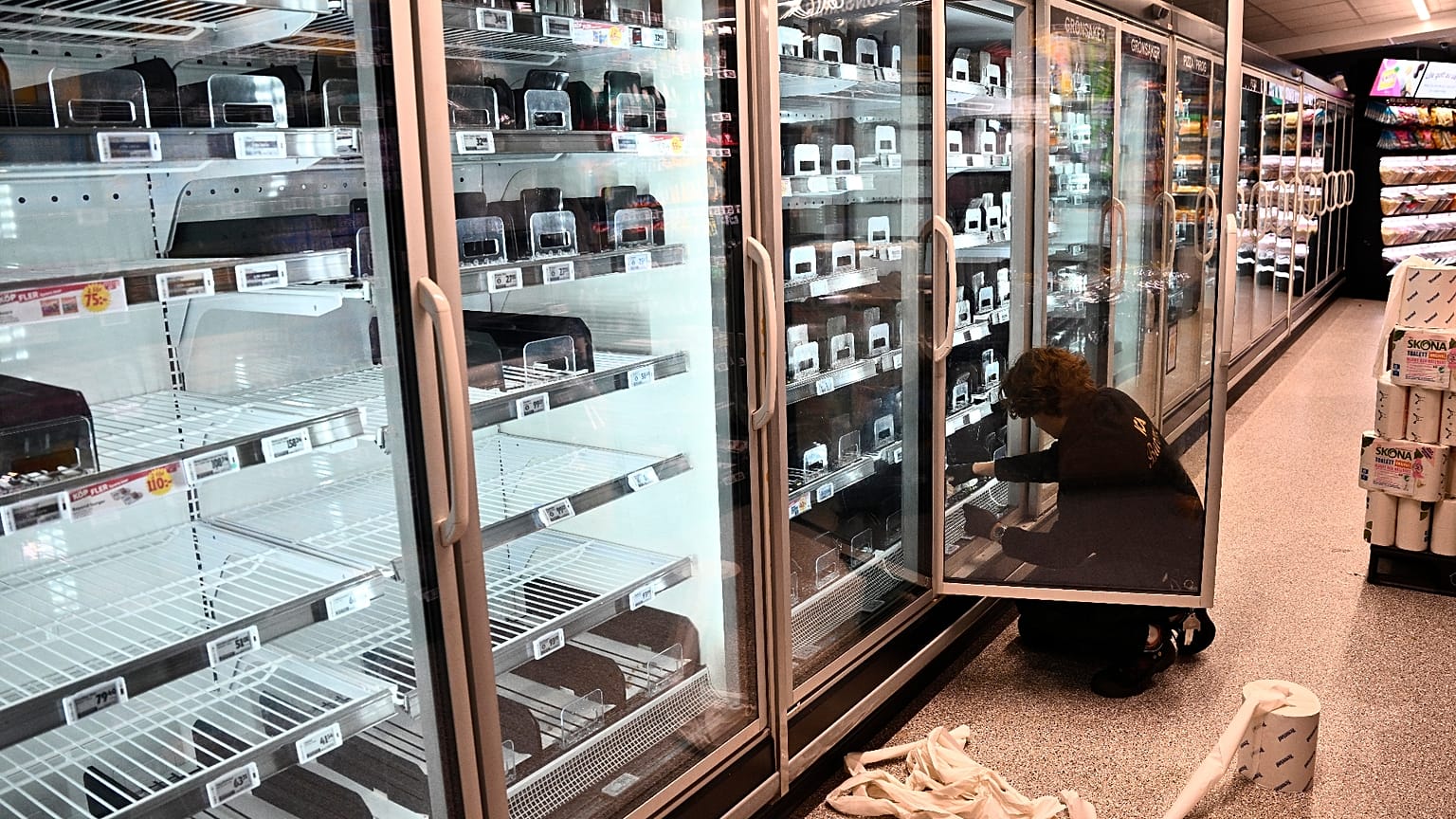
A suspected cyberattack compromised commercial refrigeration systems at supermarkets across seven European countries and several UK meat suppliers overnight, forcing retailers to discard millions of euros worth of fresh and frozen food. Hackers remotely altered thermostat settings, raising temperatures to as high as 50°C (122°F) or switching units to defrost mode, which spoiled perishable goods.
Affected Supermarkets and Suppliers
Branches of Carrefour in Belgium, Intermarché, Ikea, Coop and ICA in Sweden, Delhaize in Luxembourg, Kesko in Finland, SuperValu in Ireland, and stores in Estonia were all hit. In the UK, a handful of meat suppliers saw fridge temperatures raised to 38°C, according to trade publication The Grocer. The UK National Cyber Security Centre (NCSC) said it worked through the night to alert potentially affected organisations and confirmed a "couple of impacts" domestically.
How the Attack Worked
Commercial fridges are often connected to the internet for remote monitoring and temperature control, but their management software frequently goes long periods without security updates. This vulnerability allowed attackers to seize control of the systems. Similar incidents struck French retailers earlier and six US military bases in August, also investigated as cyber intrusions.
Perpetrators Unknown
No politically motivated group has claimed responsibility, and no ransom demands have been made. The NCSC described the attack as a "wake-up call" highlighting that the UK's digital infrastructure remains outdated and vulnerable.
UK Response and Future Risks
NCSC chief executive Dr Richard Horne said the centre is working to make fridges and freezers as secure as possible. A recent NCSC report warns that AI-powered malware could be used in a ransomware attack on critical national infrastructure by 2028. Cyber minister Baroness Lloyd of Effra stressed that too many organisations rely on legacy systems and have not implemented basic cybersecurity fundamentals, leaving them exposed to known vulnerabilities.