By Islam El-Sakka
An amateur historian says he has found evidence that Thomas Jones, the namesake of New York's Jones Beach, played a key role in helping the English pirate Captain Henry Every evade capture after the 1695 raid on the Indian treasure ship Ganj-i-Sawai in the Red Sea.
James Bailey, a retired corrections officer from Rhode Island, has spent years examining colonial-era documents, including depositions from Every's associates. He argues that Jones served as a "wheelman" who helped the pirate crew move tens of millions of dollars' worth of gold and silver after the bloody attack, which sparked a global manhunt.
Historical Documents Implicate Jones
According to Bailey, documents show that New York's colonial governor, Richard Coote, investigated Jones in 1698. Coote wrote that a "barrel of money" traveled from New York City to Long Island and ended up at Jones' house. Jones, described by the governor as "formerly a pirate," testified he knew nothing about the barrel.
From Privateer to Landowner
Jones, a former major in the English military, had settled in Rhode Island before moving to New York. After the heist, he briefly returned to Rhode Island, then in 1696 received a large tract of land on Long Island's south shore from his father-in-law, Thomas Townsend. Bailey suggests this land grant allowed Jones a fresh start while authorities hunted Every and his accomplices.
Contested Legacy
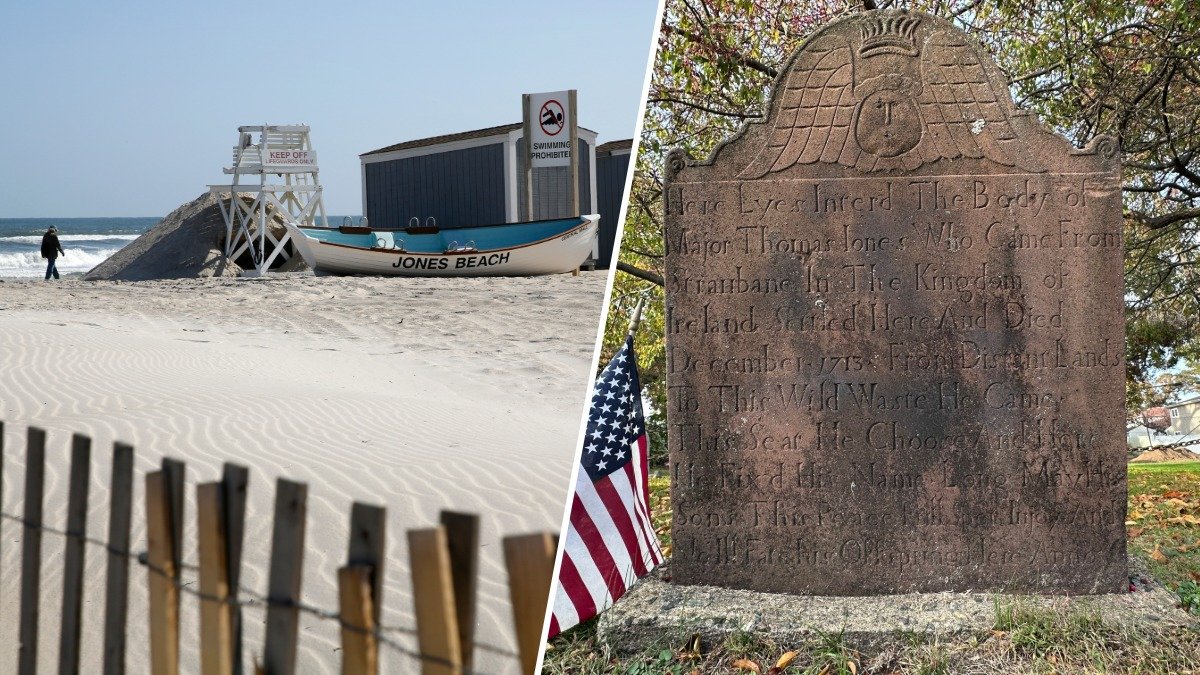
Jones became a wealthy whaling proprietor on the barrier beach that now bears his name. Rumors of his pirate past persisted after his death in 1713; his grave was repeatedly desecrated by treasure hunters. A 1906 family history dismissed the allegations as "slander" and "improbable fictions."
Expert Perspectives
Historians note that Jones worked as a privateer — a state-sanctioned raider — before such commissions ended, blurring the line between privateering and piracy. While Bailey's findings are compelling, scholars caution that "Thomas Jones" is a common name and the evidence is not conclusive. They say the case highlights how piracy generated foundational wealth for prominent families in the American Northeast.