By Fatma Younis
Americans head to the polls Tuesday for midterm elections that will decide control of Congress and serve as a referendum on President Donald Trump's final two years in office. With inflation, soaring fuel prices, and an unpopular war in Iran dominating voter concerns, Republicans face a defensive battle even in traditionally safe states.
Economic pressures drive voter frustration
Voters overwhelmingly cite the cost of living as their top issue. Diesel prices have surged from $3.75 per gallon before the Iran war began in February to a record $6.52 in September, while inflation has risen from 3% to 3.7% since Trump took office. Economists attribute part of the increase to the administration's sweeping global tariffs. In Iowa, a state Trump won in 2024, voters report financial pain from high fuel and fertilizer costs.
Trump campaigns defensively in safe states
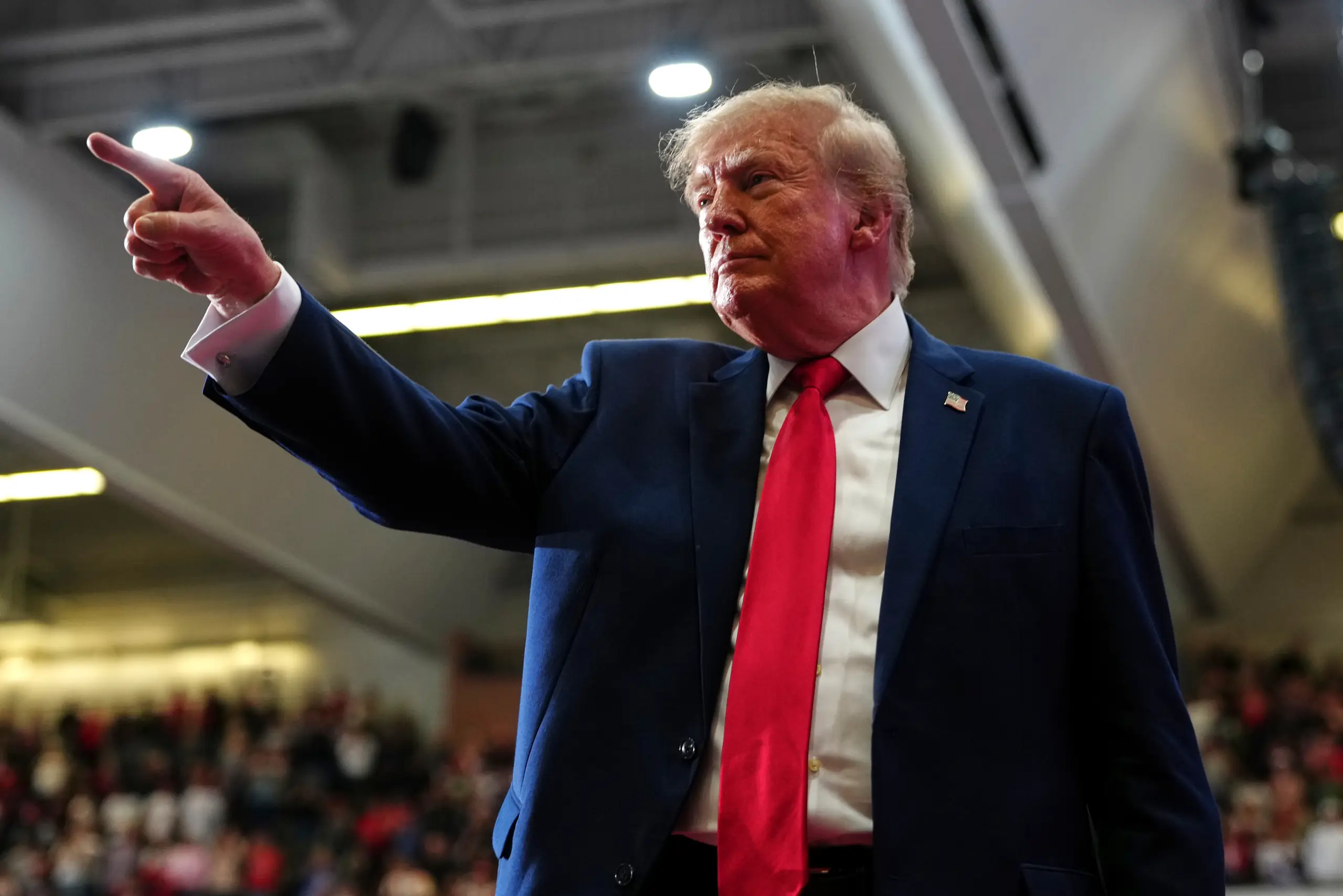
Despite not being on the ballot, Trump has headlined dozens of rallies, urging voters to "pretend" he is. He made a final push in Iowa and Kansas — states Republicans usually win easily — and the party has poured hundreds of millions of dollars into advertising there. Carrie Dann of the Cook Political Report said such spending in safe territory signals the party knows it is in trouble.
Republican vulnerability in the heartland
Pollsters note that Senate races in Texas, Ohio, Kansas, and other heartland states where Trump won by double digits in 2024 are now competitive. Stephen Hawkins of More in Common said Democrats have a viable chance in places that have been reliable Republican strongholds for decades. Some Republican voters express frustration with Trump's foreign interventions but say they would not switch to Democrats.
Democratic challenges and opportunities
Democrats are favored to win the House, but their path to a Senate majority is narrower, requiring a net gain of four seats — five if they lose in Michigan. Key battlegrounds include Michigan, Texas, Ohio, Iowa, Maine, Alaska, and North Carolina. The party also faces internal fractures, as seen in Michigan, and must look ahead to uniting behind a 2028 presidential candidate.
Polling caveats and Trump's response
Final polls show Trump's approval around 38%, while only 29% view the Democratic Party positively. Historically, polls have overestimated Democratic support and underestimated Trump. The president has repeatedly questioned election integrity, raising the possibility he will do so again as votes are counted.
Implications for 2028 and beyond
These midterms represent the final electoral test before the 2028 presidential race that will shape post-Trump politics. A Democratic House could launch investigations and attempt impeachments of cabinet members such as Defense Secretary Pete Hegseth. However, Trump has largely bypassed Congress through executive orders, so a shift in control may not significantly curb his presidency.