
By Fatma Younis
Mallorca is increasingly becoming a preferred destination for travelers seeking year-round sunshine and warm temperatures. As the largest of the Balearic Islands, it attracts over 13 million visitors annually, drawn by its sandy beaches, rich history, and local cuisine.
A Season of Calm and Relaxation
While often associated with bustling summer holidays, Mallorca offers a different experience during the off-season. The island enjoys more than 300 days of sunshine per year, with September temperatures averaging around 27°C and November remaining pleasant at approximately 18°C. Local guides note that the island has earned a reputation as a place of calm, offering a slower pace of life compared to major cities.
Exploring Palma’s Rich History
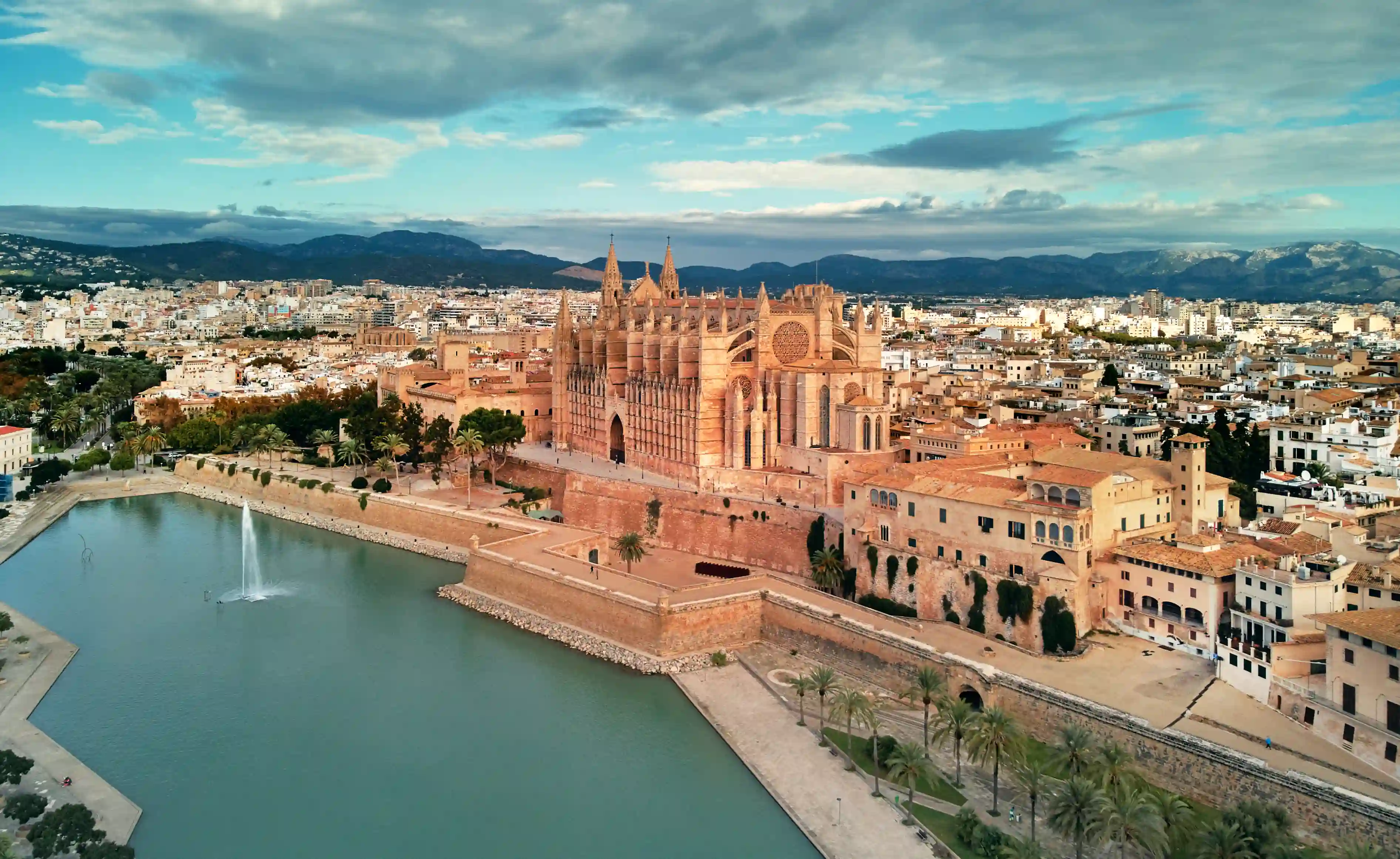
The island's capital, Palma, serves as a central hub for cultural excursions. The city features a blend of Roman, Gothic, and Baroque architecture, with historic buildings reflecting centuries of social evolution. A prominent landmark is the Gothic Cathedral of Santa Maria, known as La Seu. Construction on the cathedral began in the 13th century and took 372 years to complete. Built on the site of a former mosque, its design incorporates architectural influences from Christianity, Judaism, and Islam, including a massive stained-glass rose window.
Natural Wonders and Coastal Villages
Beyond the urban landscape, Mallorca boasts unique natural attractions such as the Cuevas del Drach near Porto Cristo. These limestone caves feature extensive networks of stalactites and stalagmites, including an underground lake where visitors can experience classical music performances from illuminated boats. For those seeking tranquility, the traditional fishing village of Portocolom offers picturesque harbors and scenic coastal views, providing a quieter alternative to the more populated tourist areas.


