
By Salma El-Sakka
While the winter landscape offers a stark beauty, the cold months present significant survival challenges for birds as natural food sources become scarce. Gardeners can play a vital role in supporting feathered visitors by providing food, shelter, and safe havens within their outdoor spaces.
Creating Natural Shelters and Food Sources
Planting the right vegetation is fundamental to creating a nature-friendly garden. Dense shrubs such as ivy and holly are highly effective because they provide both natural cover from harsh weather and essential winter food in the form of berries. Other beneficial plants include pyracantha, hawthorn, cotoneaster, and rose hips, which are particularly nutritious for blackbirds.
Color plays a role in bird preferences; many species, such as waxwings and thrushes, tend to favor red berries, followed by orange and yellow. For those with limited space, small fruit-bearing trees like rowan, hazel, or crabapple can attract winter migrants. Additionally, leaving parts of the garden slightly messy, such as piles of leaves or logs, can provide snacks like beetles and spiders for ground-feeding birds and hedgehogs.
Maintaining Nest Boxes and Feeders
Installing or cleaning nest boxes is an effective way to offer protection. To maintain hygiene, boxes should be cleaned with boiling water and allowed to dry completely. Adding a small amount of hay or wood shavings to the bottom can help provide warmth for roosting birds.
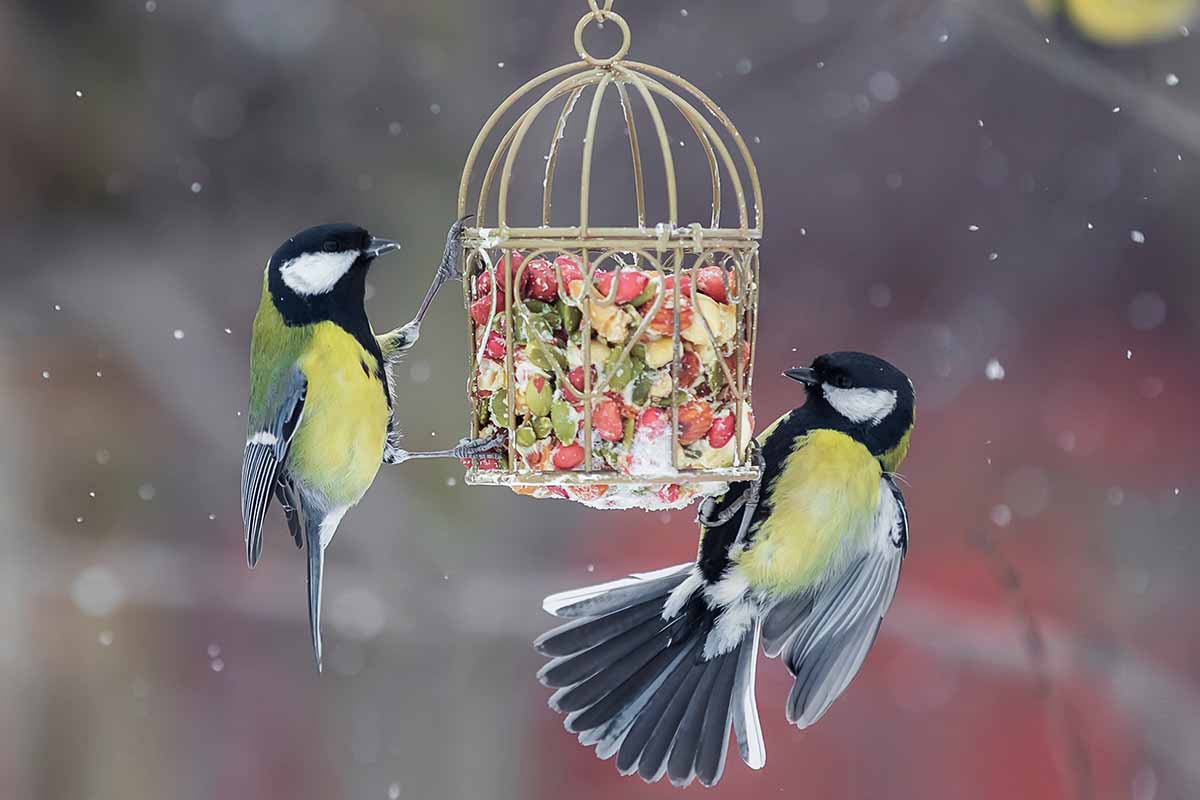
When using bird feeders, it is important to keep them clean and well-stocked between November and April. Experts suggest using mobile hanging feeders rather than flat bird tables, as rotating them prevents waste from building up in one spot and helps mitigate the spread of disease. Providing fresh, clean water in bird baths or shallow dishes is also crucial, ensuring it remains ice-free during cold snaps.
Supporting Biodiversity in Small Spaces
Even those without large gardens can contribute by using potted plants and hanging feeders to attract insects and birds. Planning for the future by sowing seeds for spring flowers, such as cornflowers or foxgloves, helps ensure a continuous cycle of pollinators and food for birds. Engaging with nature in the winter not only helps wildlife survive but also provides a sense of peace and connection for the gardener.


