By Salma El-Sakka
Aviation safety researchers and former pilots highlight that the increasing strictness of airline carry-on baggage rules is driven by both safety concerns and the economic models of modern carriers. While carry-on rules were once more standardized, the rise of low-cost airlines has led to significant variations in weight limits and passenger restrictions.
Safety and Operational Delays
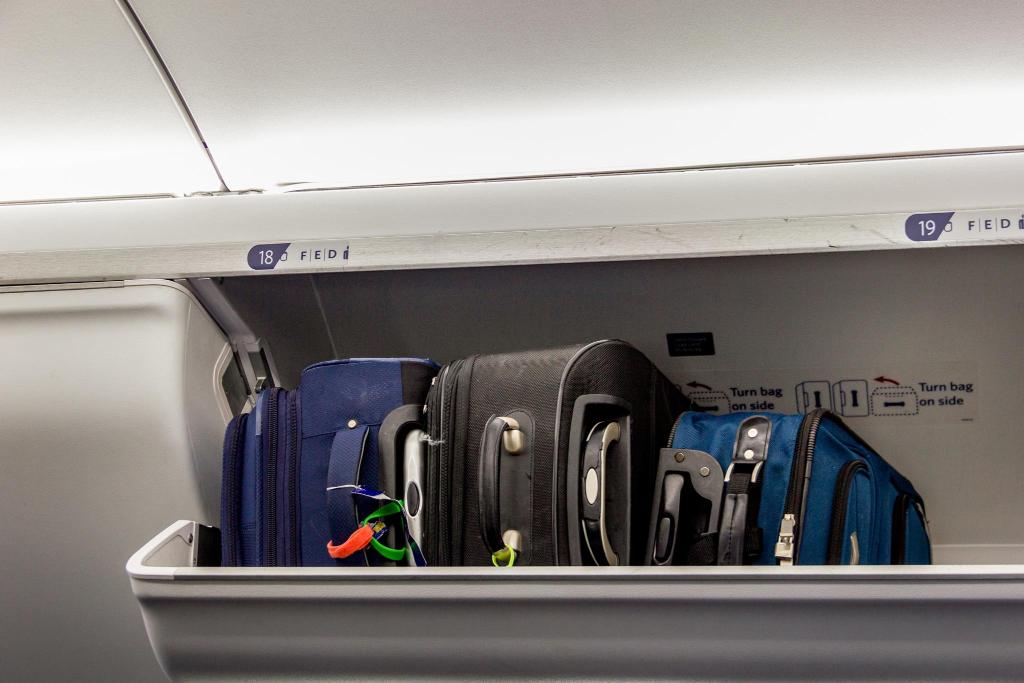
Excessive carry-on baggage poses a practical challenge during boarding. When overhead lockers reach capacity, cabin crew must spend extra time rearranging luggage or transferring bags to the aircraft hold, which can significantly delay departures. Furthermore, weight management is critical for flight safety; every aircraft has a strict maximum take-off weight that includes fuel, crew, cargo, and passengers. While large aircraft use average passenger weight calculations, smaller planes in remote areas may require passengers to be weighed individually to ensure safety compliance.
Variations in Airline Policies
Baggage restrictions now vary wildly depending on the airline and the ticket type. For example, Virgin Australia's domestic policy allows economy passengers one 8kg cabin bag plus a small personal item. In contrast, Qantas permits a 10kg standard piece plus a personal item, or a combination of two pieces totaling 14kg. Budget carriers like Jetstar maintain different limits, such as a shared 7kg allowance across two items. These discrepancies mean passengers may face different rules even when flying on the same aircraft models.
The Economics of Ancillary Revenue
Beyond safety, baggage policies are a major revenue driver. The shift toward low-cost models has turned extra luggage, in-flight Wi-Fi, and food into essential ancillary revenue streams. The International Air Transport Association forecasts that ancillary revenue, including extra baggage fees, will reach US$144 billion this year, a figure that exceeds the global value of air cargo transport.