By Islam El-Sakka
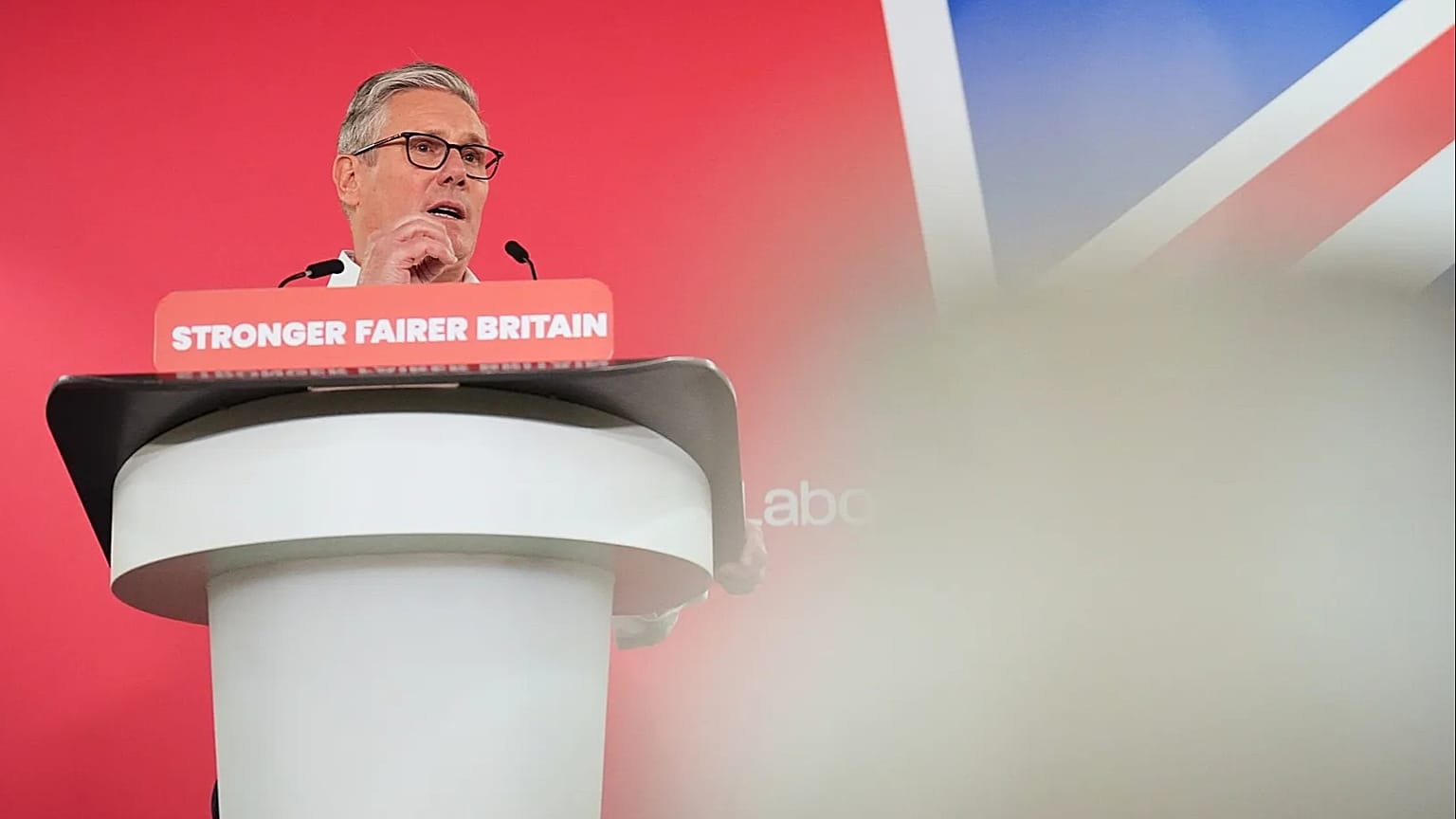
Former British Prime Minister Keir Starmer has called for the United Kingdom to forge closer ties with Europe, arguing that the United States is becoming a less reliable partner and that the shift in transatlantic relations will persist beyond Donald Trump’s presidency.
Europe caught unprepared twice
Speaking at the British Irish Chamber of Commerce on Friday, Starmer said Europe had been caught off guard on two critical occasions: first by Russia’s invasion of Ukraine, which exposed defence weaknesses, and second by Trump’s declaration that the US would no longer underwrite European security. “A stronger Europe is vital and the UK must be at the heart of it,” he told the audience.
Brexit damage and ambition for cooperation
Starmer, who stepped down as prime minister in July, reiterated that Brexit had inflicted “deep damage” on the UK economy. He advocated for closer economic and security cooperation, saying the UK should be “more ambitious” in building pan-European coordination on defence, including a common security framework alongside the single market.
Engagement with Irish leaders
The former premier made the remarks after meetings in Dublin with senior business figures and politicians, including Taoiseach Micheál Martin, with whom he established the annual UK-Ireland summit. He emphasized that Ireland and the UK stand together in supporting Ukraine.
Successor pushes for bolder EU ties
Starmer’s successor, Andy Burnham, has signaled a more aggressive approach to EU relations. Burnham plans to attend a crucial EU-UK summit next month focusing on food standards, energy, and youth mobility, and has called for a public debate on moving toward a closer relationship after the next election.
Defence unity on Ukraine
At a meeting of European defence ministers in Paris this week, Defence Secretary Wes Streeting declared the allies “united and unwavering” in support for Ukraine against Russian hostility. Starmer highlighted Britain’s role as a nuclear power, a leading NATO member, and a developer of a next-generation fighter jet, arguing that the UK must be central to European security architecture.