
By Basant El-Faramawy
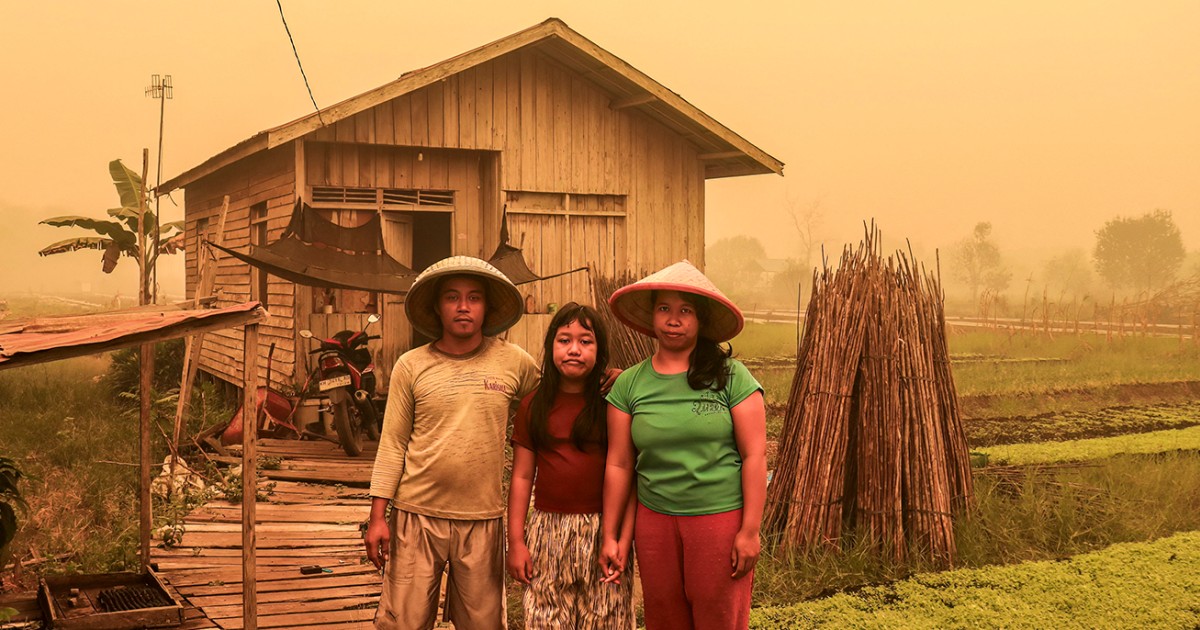
Toxic smog from Indonesia's worst wildfire season in over a decade has blanketed large parts of Southeast Asia since July, affecting millions, closing schools, and triggering a regional health crisis.
Health Crisis and Protests
In Central Kalimantan, teacher Natanael Undas described skies in apocalyptic yellow and orange, with smoke penetrating homes and causing respiratory illnesses. Over 283,000 cases of haze-linked respiratory illness were reported in seven Indonesian provinces by October 13, more than double the figure a month earlier. Hundreds of students and civil society members protested in Jakarta and other cities on Wednesday, demanding transparent investigations and long-term prevention strategies, and criticizing President Prabowo Subianto's reluctance to declare a national disaster.
Cross-Border Blame and Diplomacy
Singapore recorded its worst air pollution since 2015 and threatened to prosecute companies linked to the fires. Indonesian Foreign Minister Arrmanatha Nasir said a joint task force with Singapore is being considered to combat illegal land burning. Environmental group Walhi identified 66 companies with links to Singapore and 27 with links to Malaysia associated with fire hotspots, while Indonesian police named 20 corporations suspected of involvement, including four from Singapore, Malaysia, and South Korea. Malaysia denied any Malaysian companies are involved.
Impact on Cultural Heritage and Daily Life
The haze has endangered 67,000-year-old cave paintings on Sulawesi, the world's oldest, and obscured the skyline during Singapore's Formula One night race. In Singapore, residents like engineer Adeline Tong reported asthma flare-ups and disrupted routines, while a study linked haze spikes to increased emergency visits for respiratory conditions. Indigenous Penan communities in Sarawak, Malaysia, face hunting and gathering difficulties as smoke drives wildlife deeper into forests and irritates eyes.
Firefighting Challenges and Weather Relief
Peat fires burning underground are extremely difficult to extinguish and can smolder for long periods, reigniting surface fires in dry conditions. Thousands of personnel have been deployed, but the fires are expected to persist into early November due to a delayed rainy season. Recent showers have brought temporary relief, with firefighters and residents celebrating the first clear skies in weeks.


