By Fatma Younis
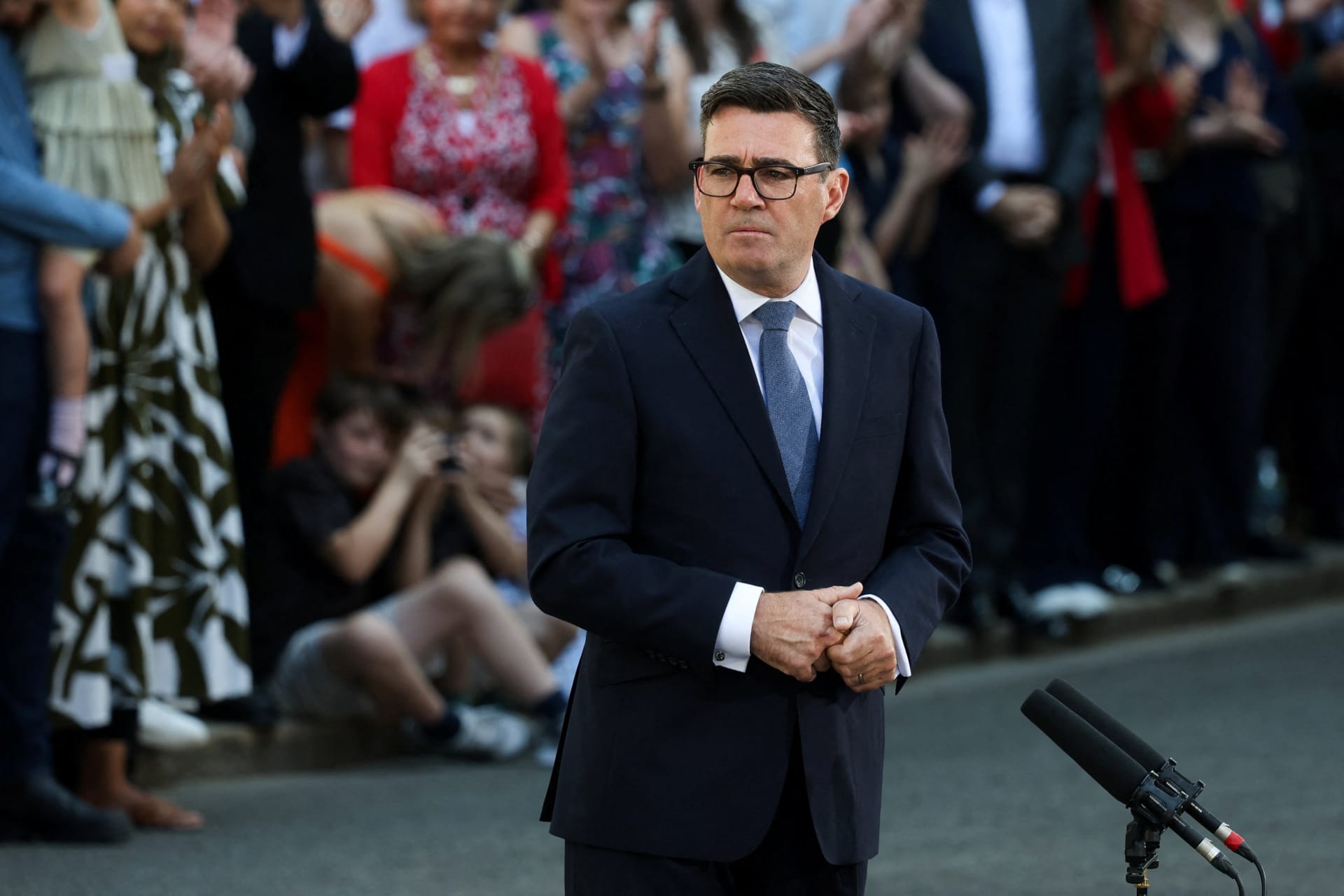
British Prime Minister Andy Burnham said he is open to a formal apology for the United Kingdom's role in the transatlantic slave trade but ruled out financial reparations, marking a shift in the government's long-standing position. The comments come as Burnham prepares to attend the Commonwealth Heads of Government Meeting in Antigua and Barbuda next week, where King Charles III will preside as head of the "family of nations."
Structured Dialogue and Apology
In an op-ed published Friday in The Guardian, Burnham wrote that the UK is offering a "structured dialogue with those affected by the transatlantic slave trade." He stated that listening to calls for a formal apology on behalf of the British state will form an important part of this process, and he is open to them.
No Financial Reparations
Burnham explicitly ruled out financial reparations, arguing that British people today who "played no personal part" in the slave trade could not be held liable. The transatlantic trade in enslaved people was central to European colonialism and the growth of the British Empire, with millions of Africans trafficked to the Americas to grow cash crops while enduring violence, torture, sexual abuse, and denial of basic human rights.
Caribbean Leaders Welcome Openness
Prime Minister Mia Mottley of Barbados welcomed Burnham's openness to a formal apology on social media platform X. Jamaica's Prime Minister Andrew Holness also posted on X, stating that "open-minded dialogue is always a good place to start addressing difficult issues."
Reparations Case and Royal Visit
Jamaica recently took its case for reparations to King Charles III, and the matter has been referred to the United Kingdom's highest court of appeal. Caribbean nations had urged Britain to acknowledge its role in the slave trade ahead of Charles' visit to the Bahamas and Guyana last week. During that visit, members of the Bahamas' Rastafarian community protested, demanding payment for historical injustices.
King Acknowledges Past Suffering
In his first public remarks in the Bahamas, Charles said it is "only right that we should acknowledge the great suffering and injustices of the past in these islands and beyond, even as we rejoice in the successes of the present." The King visited Clifford Park, where in 1973 he granted the Bahamas independence after 300 years of British rule.