
By Karim Hammam
Six of Europe's largest oil companies — BP, Eni, Equinor, Repsol, Shell and TotalEnergies — recorded combined profits of $89bn in the first nine months of 2026, more than double the same period a year earlier, according to an analysis by campaign group Global Witness based on quarterly results released this week.
Profits surge amid conflict
The nine-month total represents a 102 per cent increase over 2025. In the third quarter alone the six firms made $38bn, with Shell's adjusted earnings nearly doubling to $10.8bn, TotalEnergies' more than doubling to $9.1bn and BP's underlying profit nearly quadrupling to $8.5bn.
War disrupts shipping, lifts prices
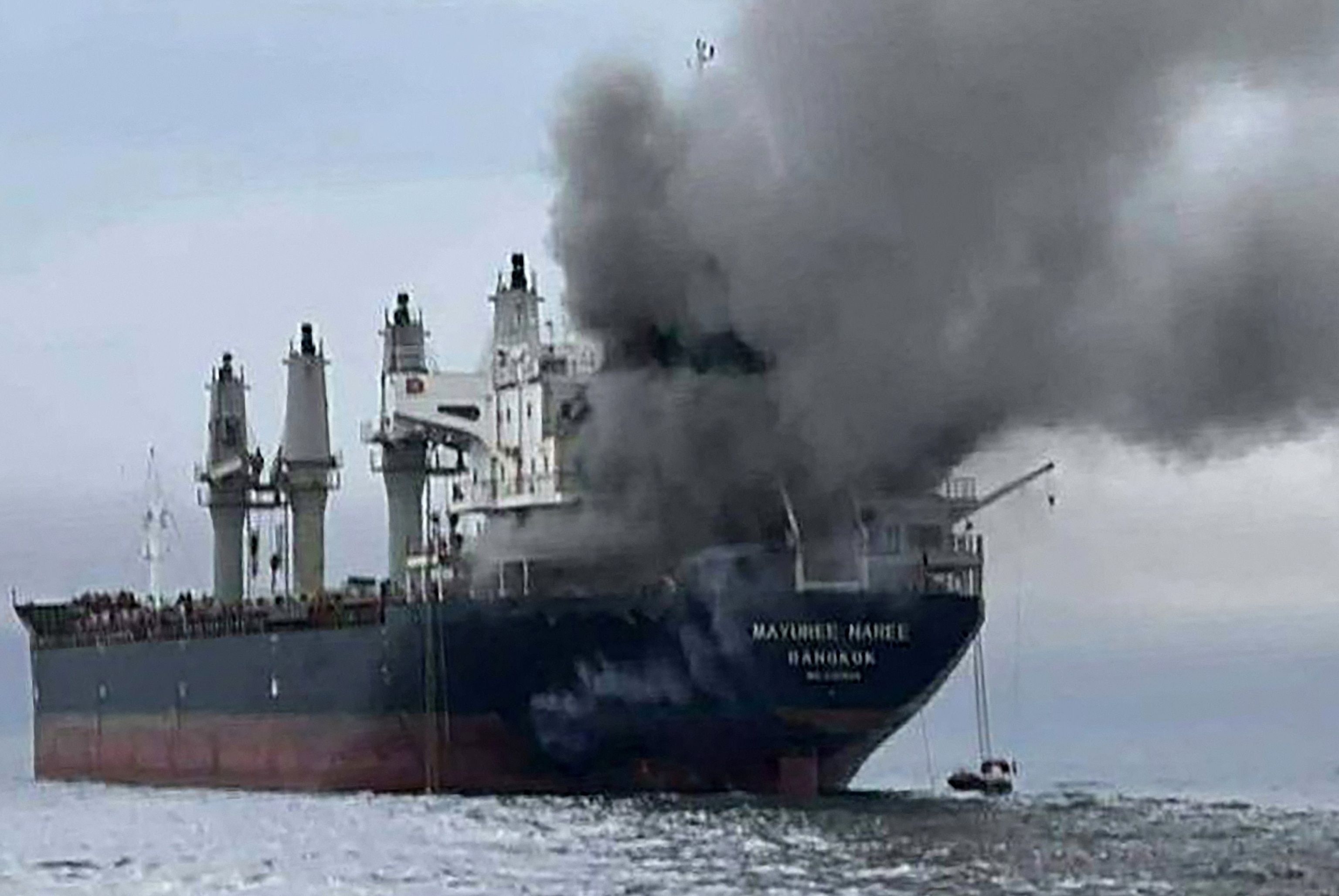
The surge follows the outbreak of war on 28 February, when US and Israeli strikes on Iran disrupted shipping through the Strait of Hormuz, a conduit for about a fifth of global oil and gas. Brent crude, which traded between $60 and $70 a barrel before the conflict, rose above $100 in March and reached about $117 on Friday after a tanker attack in the strait.
Companies reduce debt, cut spending
The windfall has been used mainly to pay down debt and return cash to shareholders rather than to expand production. Shell cut its 2026 capital spending guidance by $1bn to between $23bn and $25bn, while its net debt fell to $39.7bn from $52.6bn earlier in the year. TotalEnergies' debt-to-equity ratio dropped below 10 per cent and BP's net debt declined to $13.87bn.
Calls for windfall tax grow
Global Witness described the profits as "obscene" and urged a permanent climate tax on fossil fuel companies. The European Union is examining a bloc-wide windfall levy, with Germany, Spain and four other member states supporting the move; Portugal has already imposed a 33 per cent tax on extraordinary 2026 profits. The oil and gas industry argues such a tax would undermine investment and energy security.

