
By Islam El-Sakka
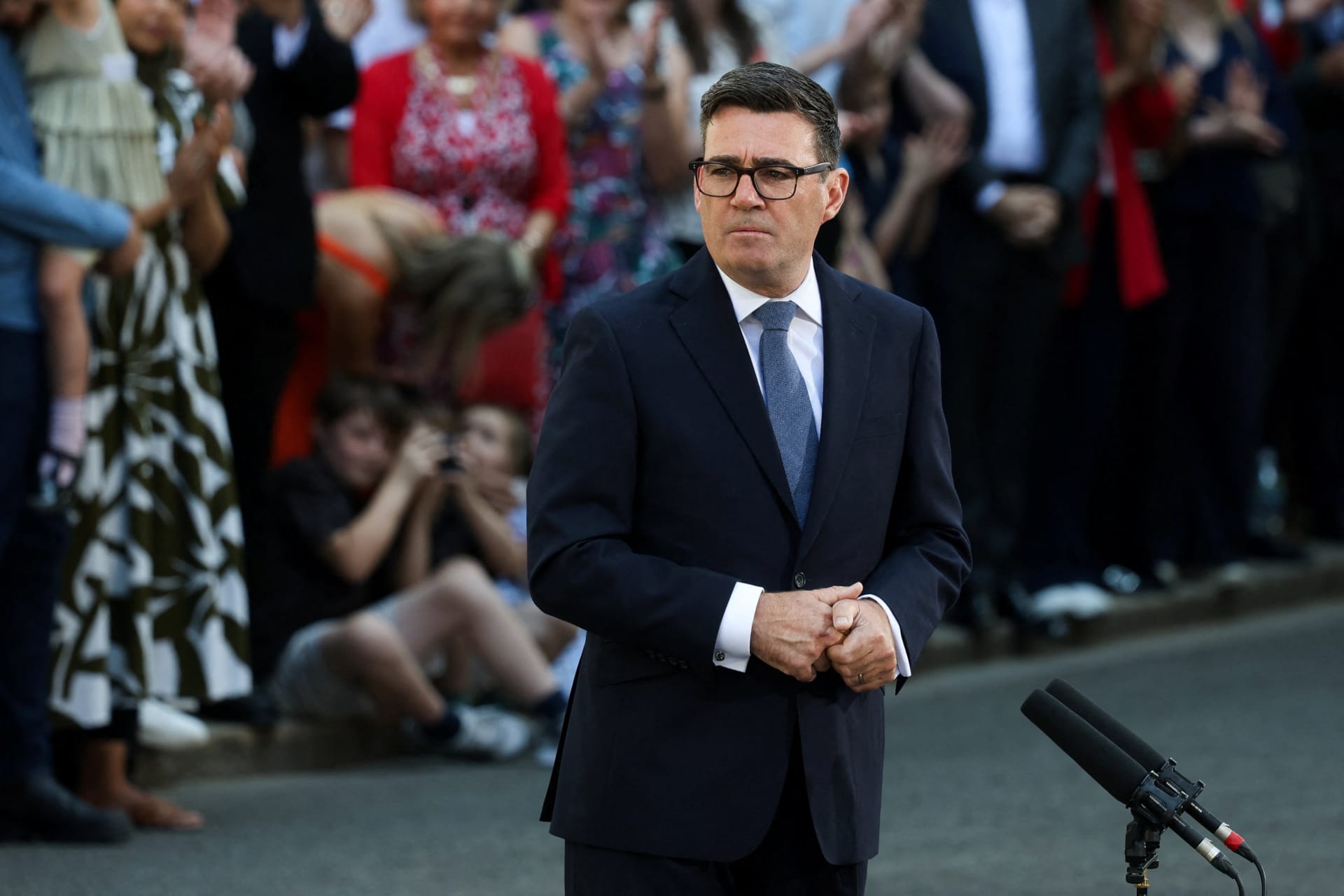
UK Prime Minister Andy Burnham has said he is "open" to the possibility of the UK issuing a formal apology for its role in the transatlantic slave trade, but has ruled out considering financial reparations. The comments come ahead of a Commonwealth leaders summit in the Caribbean next week, which Burnham will attend.
Apology considered, reparations rejected
Burnham described the transatlantic slave trade as a "brutal and barbaric violation" and said Britain must "face up to the past." He said he wanted a "dialogue with those affected by the slave trade" and was open to "calls for an apology." However, he dismissed the idea of paying financial reparations, saying they were "not the right answer."
Commonwealth summit context
Caribbean nations have renewed calls for the UK to apologise for its role in the slave trade and for reparations, as King Charles III tours the region. Burnham said Commonwealth countries had for years been asking for an "honest conversation" and he wanted to offer a "structured dialogue." A government source told the BBC the stance was "morally the right thing to do," and Downing Street believes strengthening the Commonwealth is in the UK's interest amid growing influence from China and Russia.
Reactions from Caribbean leaders
Prime Minister of Barbados Mia Mottley, who has sought reparations, welcomed Burnham's statement, saying she would engage in good faith while still seeking reparatory justice. Denis O'Brien, founder of The Repair Campaign, said the statement was disappointing and did not go far enough, urging a full and formal apology as a first step toward reparatory justice.
Historical background
From the 16th century, English authorities and the monarchy were prominent participants in the centuries-long slave trade. Britain played a key role in ending the trade through Parliament's 1833 abolition law, which compensated plantation owners for the loss of their slaves. The UK only finished paying off the debt incurred for those payments in 2015.


