
By Karim Hammam
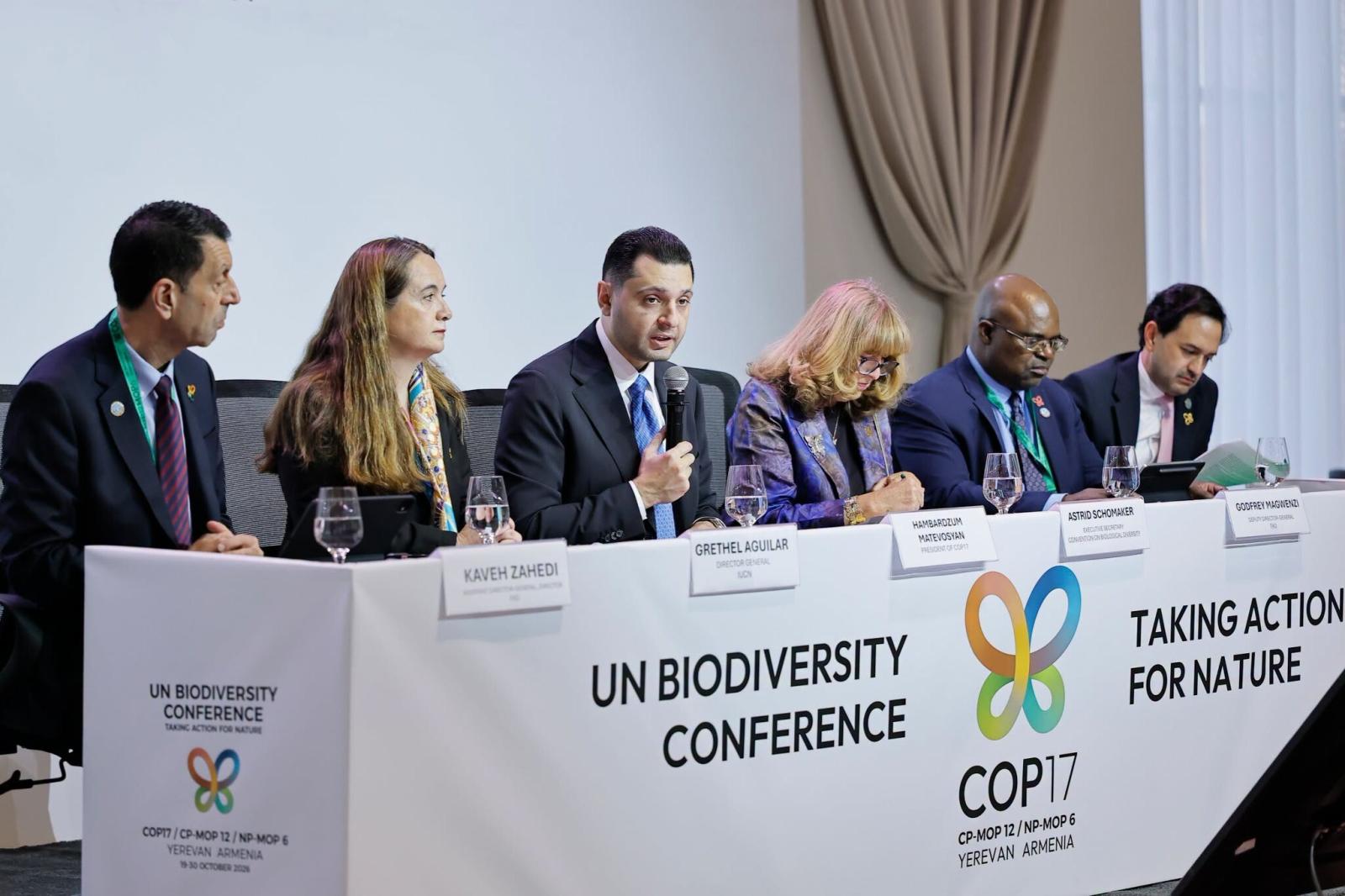
Delegates from nearly 200 countries meeting in Yerevan, Armenia, have agreed on key parts of a new action plan to address biodiversity loss, concluding talks that ran hours past their scheduled finish early Saturday. The meeting president, Hambardzum Matevosyan, declared the agreement complete.
Agreement Reached in Yerevan
The talks aimed to advance the 2022 Global Biodiversity Framework, which set 24 targets including protecting 30% of the world's land and seas by 2030. The United Nations reported this week that only one of those targets is currently on track, prompting countries to acknowledge they are falling behind.
Funding Shortfalls Highlighted
Finance remains the primary obstacle. In 2022, nations pledged $30 billion annually for nature recovery by 2030, plus $170 billion from private sources, but pledges have lagged as aid is redirected to defence and energy crises. At this meeting, over $1 billion was pledged, half from philanthropists including Leonardo DiCaprio's Re:wild organisation.
Researcher Anna Ducros of the International Institute for Environment and Development noted some progress on reducing harmful subsidies, such as those for destructive fishing practices. However, the voluntary Cali Fund, designed to collect donations from companies profiting from genetic resources, had attracted only $10,000 at the start of the talks and saw little further progress.
Progress on Conservation
Despite the funding gap, conservation efforts have shown results. Countries have placed 623 million acres (252 million hectares) of degraded land under protection — an area larger than Greenland. The WWF recently highlighted the recovery of species including elephants, green sea turtles, and tigers.
Political Interference in Science
A group of countries including Saudi Arabia and Russia reportedly blocked the approval of scientific reports on the state of nature. French Ecological Transition Minister Monique Barbut described the moves as attacks on science. Similar challenges have faced the IPCC ahead of next month's COP31 climate conference, with Professor David Lee of Manchester University calling it a "blatant political move."


