
By Ahmed Abdelsalam
Tunisia offers a unique cultural tapestry that serves as a compelling alternative to the crowded tourist hubs of southern Spain. From the bustling markets of Djerba to the ancient troglodyte dwellings of Matmata, the country provides a deep immersion into Mediterranean and Amazigh history.
Djerba's Cultural Mosaic and UNESCO Heritage
The island of Djerba, located off Tunisia's southeastern coast, is a melting pot of Jewish, Muslim, and Christian influences. Its architecture and social traditions reflect millennia of Mediterranean exchange. Recently inscribed as a UNESCO World Heritage site in 2023, Djerba is recognized for its distinctive, self-sufficient settlements known as menzels. These family estates were designed to manage scarce resources through clever rainwater collection and courtyard living, often featuring separate quarters to welcome travelers.
The Star Wars Connection in Matmata and Tataouine
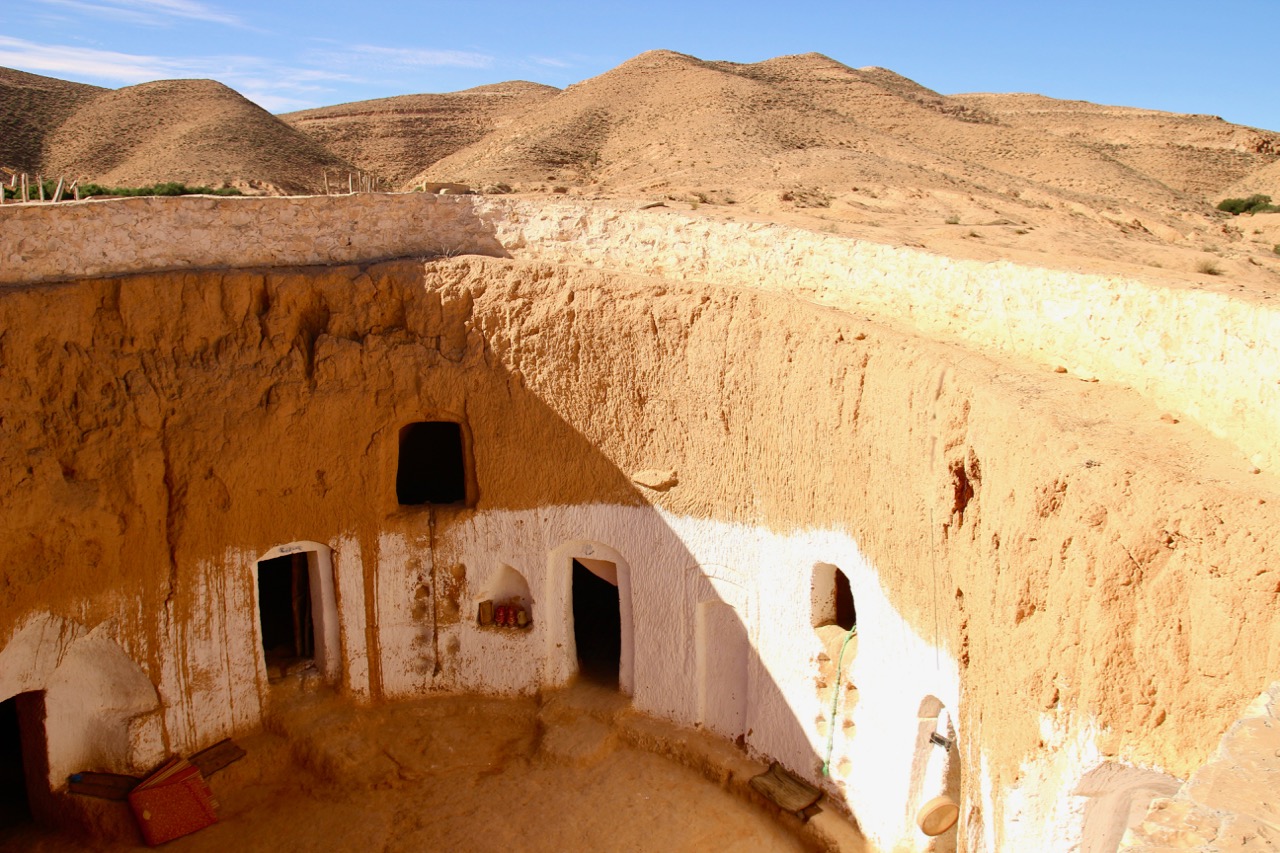
Further inland, the landscape shifts from coastal charm to the rugged hills of the Dahar region. In Matmata, the indigenous Amazigh people traditionally live in troglodyte homes—subterranean dwellings carved directly into the rock to provide natural insulation against extreme desert temperatures. This unique architecture gained global fame through cinema; Hotel Sidi Driss in Matmata served as the filming location for Luke Skywalker’s childhood home in two Star Wars films.
Ancient Fortifications and Hillside Villages
The region of Tataouine is also marked by the presence of fortified granaries known as ksour. These mud-brick and stone structures, such as the 13th-century Ksar Ouled Debbab, once protected supplies along ancient trade routes and now serve as museums and hotels. Nearby, the village of Chenini features ancient stone houses clinging to mountainsides, where local communities work to preserve their heritage through traditional crafts and hospitality, even as modern life shifts toward the valleys below.


