By Karim Hammam
Homeowners should perform essential boiler checks before winter to avoid heating failures during cold snaps, according to a new guide outlining eight key maintenance steps.
Turn on heating and verify operation
Switch the boiler to central-heating mode and raise the thermostat above room temperature. Let the system run for 20–30 minutes and confirm radiators warm up. If the boiler does not start, check the programmer or timer for scheduling issues and look for warning lights or error codes.
Check boiler pressure
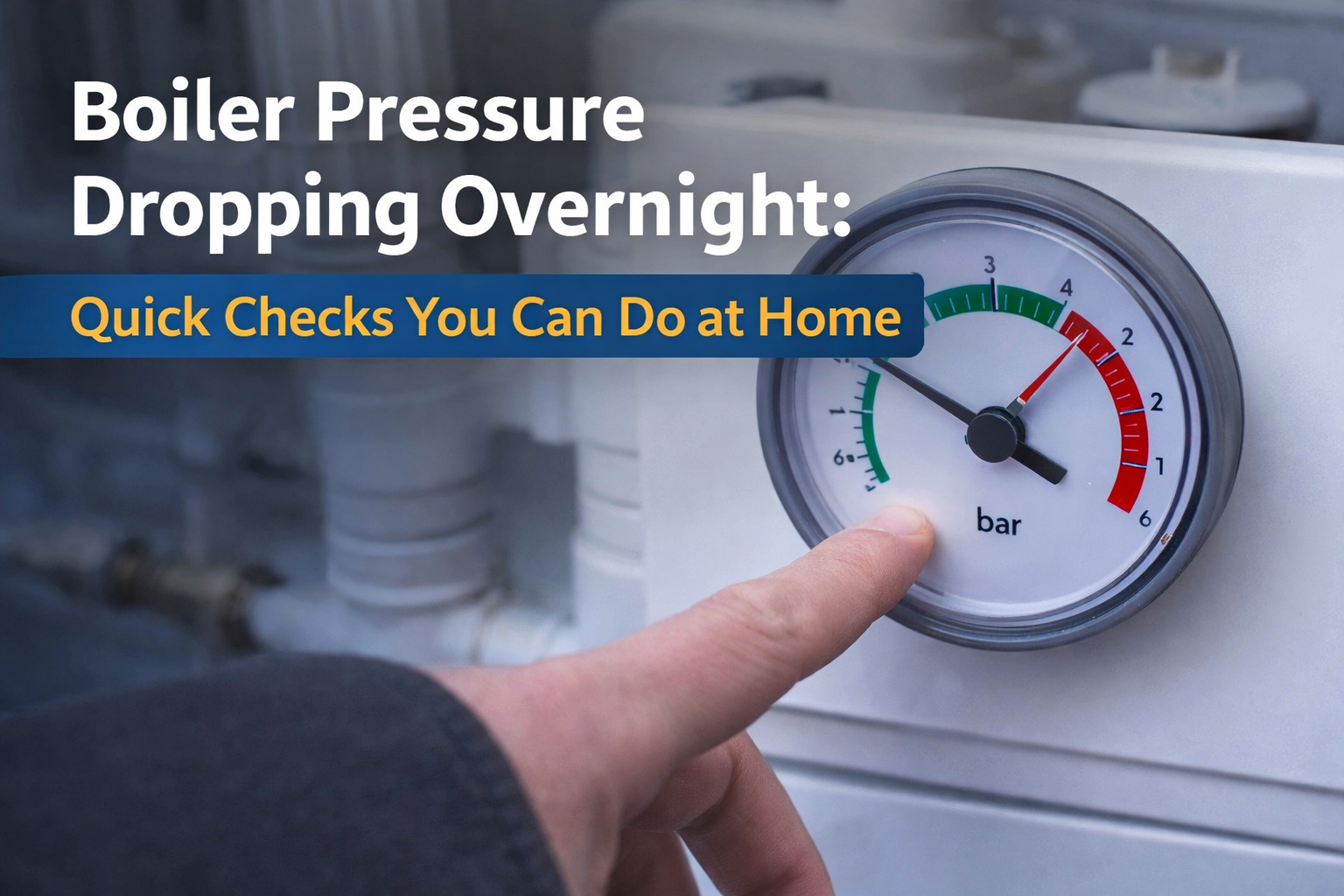
Most modern boilers display pressure on a gauge or digital screen. In many sealed systems, pressure should read between 1 and 1.5 bar when cold, but the correct range varies by model. Low pressure may require repressurising via the filling loop; follow manufacturer instructions and only attempt when the system is off and cool. Repeated pressure drops suggest a leak needing professional attention.
Inspect radiators and bleed if necessary
After the heating has run, check each radiator. Cold tops with warm bottoms indicate trapped air, which can be released by bleeding the radiator with a key. Close the valve when water appears and recheck boiler pressure afterward. A radiator cold at the bottom may signal sludge buildup; a completely cold radiator could have closed valves.
Verify thermostat and heating controls
Ensure the thermostat functions and its schedule matches current routines. Smart thermostats should be connected with correct programmed times. Appliance repair expert Ian Palmer-Smith of Domestic & General notes that sporadic boiler operation often stems from timer settings. Also check thermostatic radiator valves, which may have been turned down in warmer months.
Look for leaks and listen for unusual noises
While the heating runs, inspect the boiler, visible pipework, and radiators for drips, damp patches, or corrosion. Even small leaks cause pressure loss over time. Listen for persistent banging, whistling, or gurgling, which may indicate trapped air or circulation problems. New or worsening noises warrant inspection by a qualified heating engineer.
Check condensate pipe insulation
Modern condensing boilers have a condensate pipe that can freeze in prolonged sub-zero temperatures, shutting down the boiler. Before winter, confirm external pipe sections are insulated and the outlet is unblocked. If freezing occurs, gently warm the pipe with a hot water bottle or warm water — never boiling water — and only if safely accessible from ground level. Reset the boiler after thawing per manufacturer instructions.
Test carbon monoxide alarm
Press the test button on any carbon monoxide alarm and verify it has not passed its replacement date. Replace batteries if needed. A working alarm is a critical safeguard but does not replace regular boiler servicing. If the alarm sounds, evacuate immediately, seek fresh air, and call emergency services.
Schedule annual boiler service
Even if the boiler appears functional, confirm when it was last professionally serviced. Annual servicing by a Gas Safe registered engineer identifies developing faults, ensures safe operation, and may be required to maintain the manufacturer's warranty. If the boiler is older and experiencing repeated faults, consider whether replacement is more economical.