By Islam El-Sakka
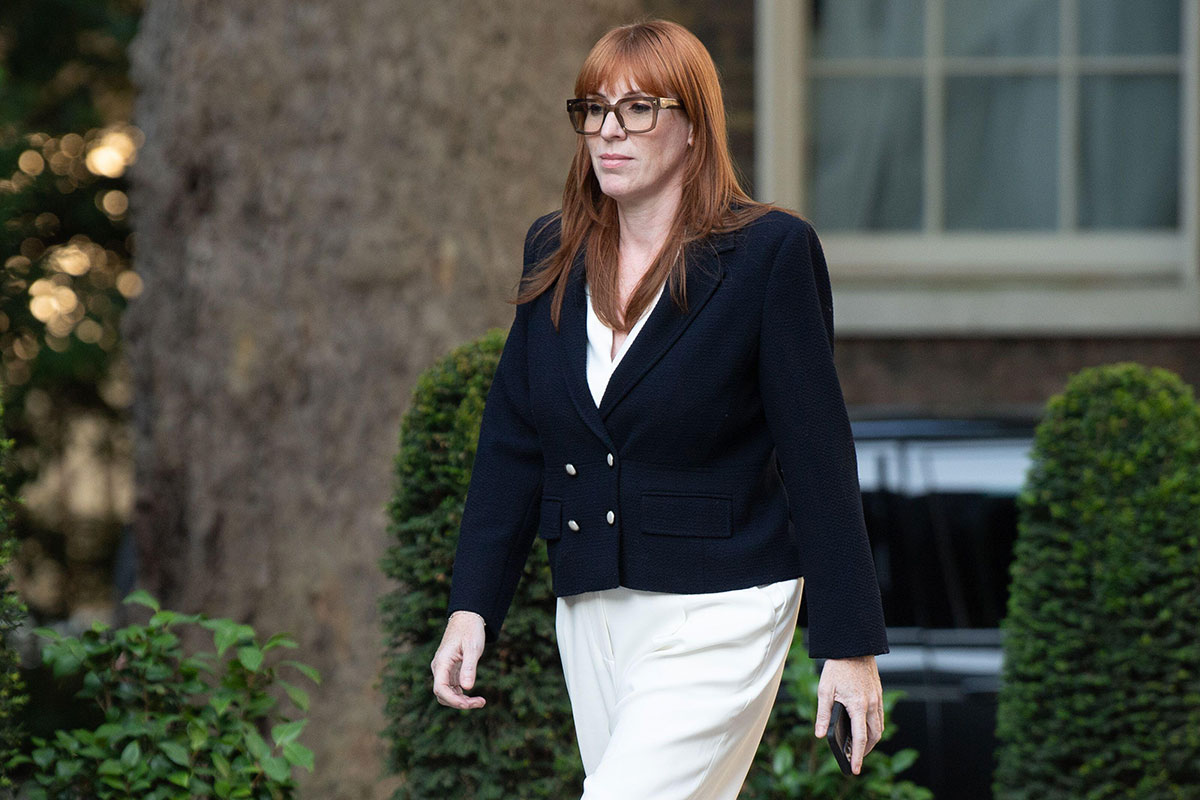
Housing Secretary Angela Rayner has said voters will begin to see improvements in their local high streets before the next general election, as the Labour government prioritises investment in struggling communities. Rayner acknowledged a "real sense of decline" in town centres blighted by boarded-up shops and rogue businesses, framing the issue as central to local identity.
Budget Measures and Business Rates
Chancellor John Healey's debut budget earmarked more than £1bn over two years to cut business rates for retail, hospitality and leisure firms, partly funded by higher taxes on gambling and vape shops. Rayner said the chancellor had shown he was "backing our high streets" and signalled further action would follow. From April next year, business rates cuts will take effect, with additional funding flowing to more areas.
Poundland Collapse Adds Urgency
The announcement came as Poundland's owners filed a notice of intention to appoint administrators, putting up to 12,000 jobs at risk. Rayner said the government was acting to ease pressure on businesses and households amid economic damage from the Middle East war, emphasising that the chancellor's support targeted valued high street businesses.
Long-term Regeneration Plans
Alongside the budget, Labour launched a revamped "hope on the high street" strategy to coordinate investment and devolve power to local leaders. This includes the previously announced £5.8bn "pride in place" programme for regeneration projects and a £210m fund to transform derelict buildings. Rayner said significant funding was being directed at public realm improvements, services and housing.
Calls for Further Reform
Business leaders argued more fundamental changes to the business rates system were needed, noting Labour's manifesto pledge to replace it entirely. Former Bank of England chief economist Andy Haldane has urged higher taxes on online sales to level the playing field for bricks-and-mortar stores. Budget documents indicate ministers are exploring how the rates system could better target online retailers to fund high street support.