By Sohaib Shams
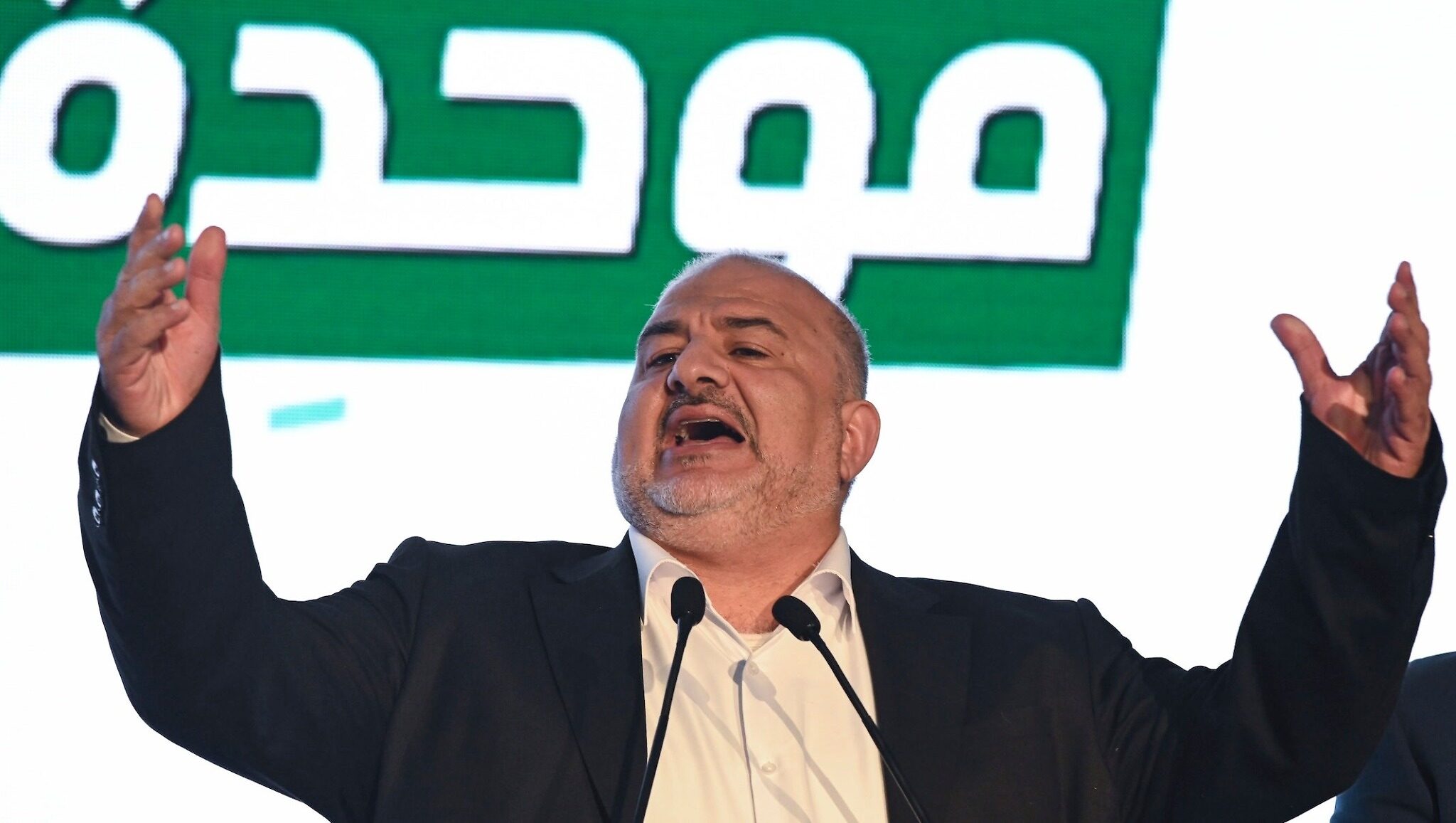
Palestinian citizens of Israel turned out in unprecedented numbers in Tuesday's election, giving two Arab-led parties their largest-ever representation in the Knesset. More than 800,000 votes went to Ra'am and the Joint List, a 60% increase from the 2022 election, securing 19 seats in the 120-member parliament and surpassing the previous record of 15.
Surge driven by fear of far-right government
The surge came after years of demonization and neglect under what voters described as the most right-wing government in Israel's history. Prime Minister Benjamin Netanyahu's allies, including National Security Minister Itamar Ben Gvir and Finance Minister Bezalel Smotrich, intensified anti-Arab rhetoric during the campaign, warning that high Arab turnout threatened the country's Jewish character. That rhetoric appears to have galvanized voters who saw the election as an emergency measure.
Record turnout in Arab communities
Turnout nearly doubled in the Bedouin village of Tarabin in the Negev, where Ra'am won 93% of the vote. The northern town of Sakhnin recorded Israel's highest turnout at 87%. Mayor Mazen Ghnaim said voters were motivated by rising violent crime in Arab communities and incitement by far-right officials, citing attacks on Arab students and doctors.
Desperation rather than faith in democracy
Voters and candidates said their participation reflected desperation to unseat Netanyahu, not confidence in Israeli democracy. "We see the government going from bad to worse," said Awni Zoabi, 52, after voting in Nazareth. "We want to live, we want a future for our children." Palestinian citizens, who make up over 20% of the population, have long felt ignored by Jewish-led parties.
Two parties, different visions
Ra'am and the Joint List both campaigned on combating crime and securing investment, but diverged on the wider conflict. Ra'am emphasized the advantages of joining a coalition and placed a Jewish former police official second on its list. Joint List members called Israel's Gaza campaign a genocide and compared West Bank occupation to apartheid, positions most Jewish Israelis reject.
Coalition hurdles remain high
Mainstream parties have historically resisted partnering with Arab-led factions, questioning their loyalty to the Jewish state. Netanyahu's main rival, Gadi Eisenkot, has set conditions for any alliance, including recognizing Israel as a Jewish and democratic state and declaring Hamas a terrorist organization. Ra'am leader Mansour Abbas acknowledged Israel as a Jewish state in 2021, but Joint List leaders have balked at labeling Hamas a terrorist group, saying it would justify Israel's Gaza offensive.
Uncertain path to government
Both parties have expressed openness to any arrangement that removes Netanyahu, including abstaining from a Knesset leadership vote to lower the threshold Eisenkot needs. Yet Abbas did not clarify whether Ra'am would accept Eisenkot's conditions, and Joint List leader Yousef Jabareen said his slate had not agreed on terms but sought protections for Palestinian citizens and a revived peace process. "We have promised our community to do our best to get rid of this fascist government," Jabareen said.