
By Salma El-Sakka
Korean scalp facials have emerged as a popular K-beauty trend, promising to improve overall hair and scalp health through gentle exfoliation, hydration, and massage. NBC Selected associate SEO reporter Ashley Morris consulted board-certified nurse practitioner Madeline June of The Well Westlake and board-certified esthetician Christina Kim, founder of dupï studio, to outline the treatment and recommend products for at-home use.
What Is a Korean Scalp Facial?
A Korean scalp facial applies Korean facial care principles — gentle exfoliation, hydration, barrier support, and massage — to the scalp. June describes it as the "skinification" of scalp care, addressing issues like product buildup, excess oil, dryness, and irritation. Kim cautions that it is not a medical treatment for conditions such as hair loss, psoriasis, or seborrheic dermatitis, and advises seeing a dermatologist for sudden shedding or persistent scaling.
How to Do a Korean Scalp Facial at Home
Experts outline a multi-step routine adaptable for home use. It begins with a scalp analysis to determine oiliness, dryness, or buildup. A pre-cleanse oil treatment may loosen debris, followed by a gentle scalp shampoo with ingredients like salicylic acid or rosemary extract. Exfoliation using a scrub or liquid exfoliant removes dead skin cells around follicles. A targeted scalp mask or treatment — hydrating, soothing, or balancing — is applied, then massaged in to distribute product and stimulate blood flow. After rinsing, a conditioner is used on hair lengths, and a lightweight leave-in serum or tonic finishes the routine.
Recommended Products
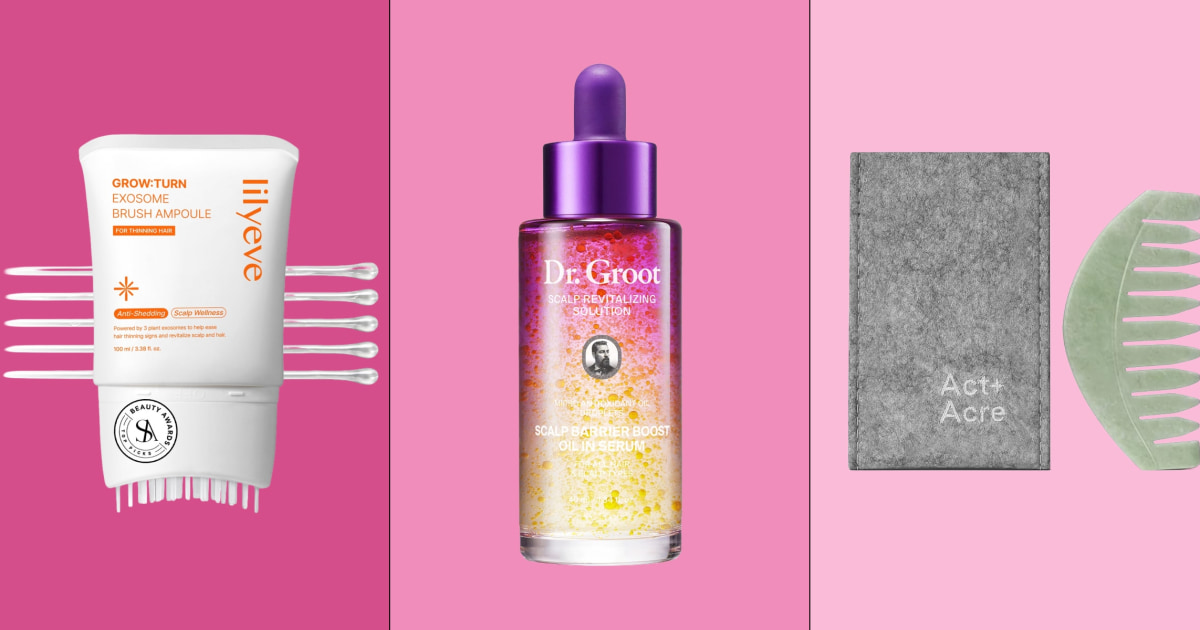
Experts and editors highlighted several products: Dr. Groot Hair Thickening Shampoo for cleansing; Aromatica Rosemary Scalp Scrub or Dr. Forhair Aero Purifying Scalp Exfoliator for exfoliation; Ryo Strengthen & Volume Conditioner; Lilyeve Grow:Turn Ampoule as a serum; Dr. For Hair Scalp Conditioning Mask for scalp-specific treatment; Mise en Scene Perfect Serum as a finishing oil; Dr. Groot Scalp Barrier Boost Oil in Serum for leave-in hydration; and the Act + Acre Scalp Gua Sha Tool for massage.
Frequency and Tailoring
June suggests a full scalp facial every four to six weeks for a healthy scalp, with gentle cleansing as part of a regular routine and exfoliation once every one to two weeks if tolerated. Kim warns against over-cleansing or excessive manipulation, which can worsen scalp issues. Product choices should match scalp type: salicylic acid and fruit enzymes for oily scalps; panthenol, ceramides, and exosomes for dry or sensitive scalps; and humectants like glycerin with jojoba or coconut oils for textured or color-treated hair.
Difference From Western Treatments
June notes Western hair treatments typically focus on the hair fiber — repairing damage, reducing frizz, adding shine — while Korean philosophy emphasizes prevention, preserving hydration, and supporting the scalp barrier. Kim adds that lymphatic massage during the facial helps release tension in connected areas of the neck, shoulders, and temples, potentially stimulating blood flow to follicles.


