By Salma El-Sakka
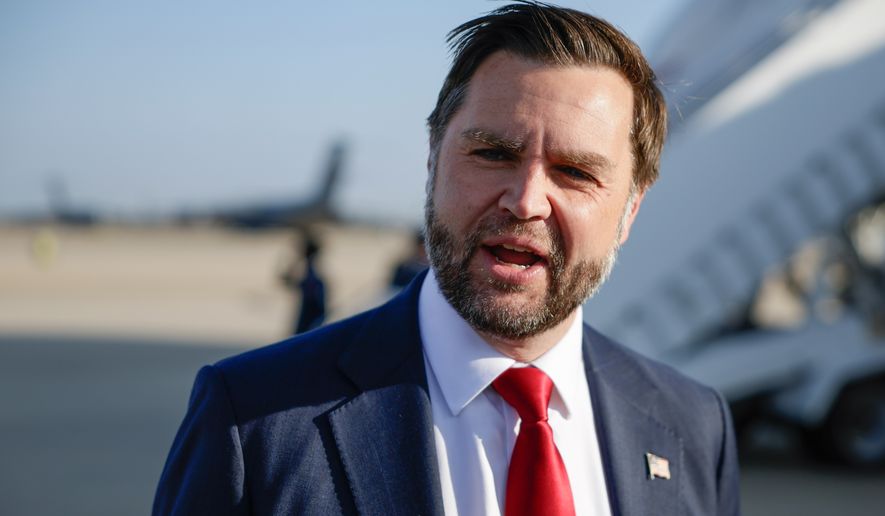
US Vice President JD Vance has sent a personal letter to Iran’s top security official, Mohsen Rezaei, offering to restart diplomacy in a bid to avert a major new conflagration between the two countries following Tuesday’s midterm elections.
Letter details and Iranian response
The letter, mediated largely by Qatar, was delivered on Sunday and calls for Tehran to make upfront commitments on its nuclear programme, including exporting its stockpile of highly enriched uranium, in exchange for the reopening of the Strait of Hormuz within seven days and US sanctions relief. Iran has yet to reply but is reluctant to give irreversible nuclear concessions while US sanctions relief remains reversible. Discussions have included a third-party guarantee, with China mentioned as a potential guarantor.
US military plans and congressional criticism
US military planners have identified targets in Iran for a potential renewed attack, a plan described by Democratic Senator Chris Murphy as “insane” and likely to lead to “the likely destruction of our commitment to the rule of law.” Murphy warned the plan would cause devastating escalation and target civilian infrastructure across the Gulf. European allies would not join such attacks, while Gulf states, the primary targets of Iranian reprisals, would be key to any regional response.
Iran's conditions and negotiating stance
Iran’s chief negotiator, Mohammad Ghalibaf, stated on X that Iran’s seven conditions — including lifting sanctions, ending asset freezes, and an Israeli ceasefire in Lebanon — must be met before progress. Tehran has proposed blending down its highly enriched uranium stockpile rather than exporting it, and resists the return of UN nuclear inspectors over intelligence concerns. Decision-making rests with a six-member committee close to the Islamic Revolutionary Guards Corps, which is why Vance addressed Rezaei rather than the foreign minister.
Trust issues and past agreements
Although Iranian officials trust Vance marginally more than other White House figures, they remain suspicious after a previous 14-point memorandum of understanding collapsed when other US officials took charge of implementation. That episode led to unilateral US steps to reopen the Strait of Hormuz that Iran said violated the agreement. In a recent UN General Assembly offer, Iran proposed shortening the timeline for nuclear talks to start within six or seven days of the US restoring oil sanctions waivers and reopening the strait.