By Islam El-Sakka
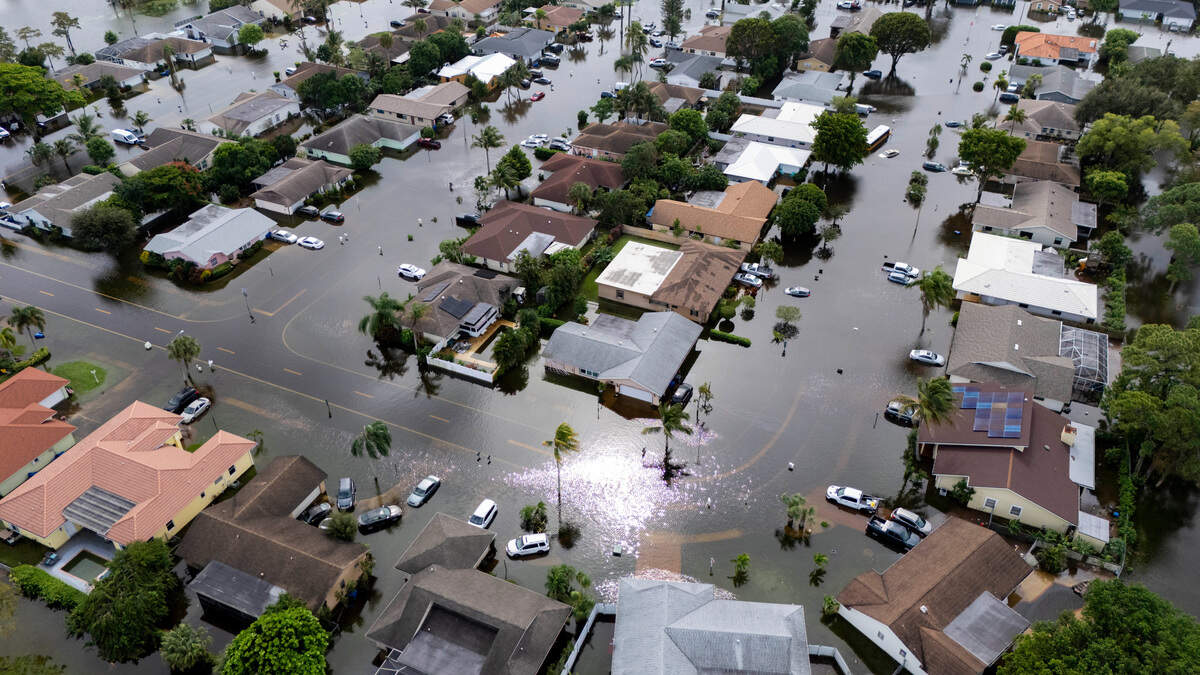
Major California airports used by millions of holiday travelers could face significant flooding risks this season due to a record-breaking El Niño pattern combined with rising sea levels, according to a new report. San Francisco International Airport, built on marshland, is particularly vulnerable to flooding of three feet or more, which could ground flights since takeoffs are not recommended when standing water on runways exceeds 0.5 inches.
Vulnerable Airports
While recent levee improvements have reduced flood risk at Oakland International Airport, San Francisco's airport remains exposed. The facility handled more than 1.8 million travelers during last year's Thanksgiving period. Fraser Shilling, director of the University of California-Davis Road Ecology Center, warned that the recent record tides along the California coast are merely a preview of worse flooding to come.
Record Tides and Forecasts
The past week has already broken coastal water-level records in the Bay Area and Southern California. San Francisco surpassed its previous October high tide record at 2.01 feet, while San Diego and Los Angeles recorded their highest coastal water levels in over a century. December tides could be one to two feet higher than this week's levels, with peak El Niño intensity expected around November and December. Climate scientist Daniel Swain anticipates multiple significant coastal flood events between November 2026 and January 2027 that will be more severe and widespread than current conditions.
Airport Preparations and Expert Warnings
San Francisco International Airport has flood protection measures in place, including vinyl sheet pile walls, concrete seawalls, concrete-capped earthen berms, and operational preparations such as clearing drainage areas, ensuring pump stations are functional, and preparing sandbags. However, Shilling stated that none of these measures constitute long-term protection. The airport's public information officer, Doug Yakel, did not address that assessment.
Broader Climate Threats
Climate change threats to coastal infrastructure are accelerating across the United States. The current swelling tides are driven by near-record ocean temperatures, El Niño-spurred Kelvin waves pushing water toward the coast, and lunar positioning. Recent models suggest that without resilience measures, 24 to 75 percent of California beaches could disappear seasonally or permanently by 2100.