By Salma El-Sakka
A group of U.S. lawmakers on Thursday urged Secretary of State Marco Rubio not to support Colombia’s plan to restart aerial spraying of coca crops in the Amazon rainforest, warning of risks to human health and fragile ecosystems.
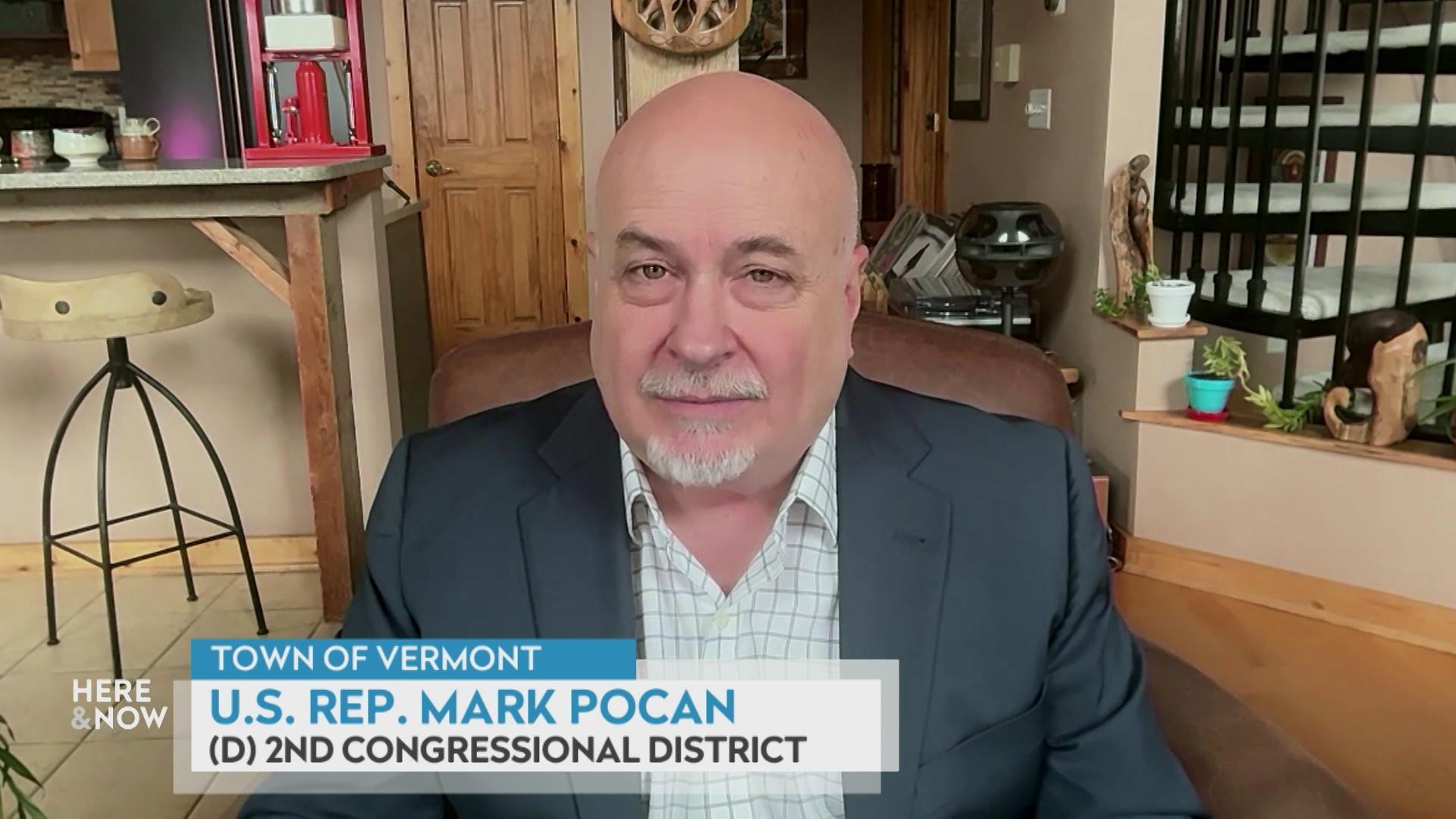
Letter led by Rep. Mark Pocan
The letter, led by Rep. Mark Pocan, D-Wis., and signed by 18 other lawmakers including Reps. Alexandria Ocasio-Cortez, Rashida Tlaib, and Jim McGovern, expresses concern over reports that the Trump administration encouraged Colombia to revive the program. The strategy, suspended in 2015 over health concerns, involved spraying herbicides from aircraft to kill coca, the plant used to produce cocaine.
Colombia proposes new herbicide for pilot project
President Abelardo de la Espriella’s government has proposed a pilot project to spray up to 1,000 hectares in Putumayo, an Amazonian department bordering Ecuador and Peru. The plan would replace glyphosate — classified as “probably carcinogenic to humans” by the World Health Organization — with glufosinate ammonium, another herbicide that lost European Union approval in 2018 and faces similar health scrutiny.
Legal challenges and community concerns
Colombia’s Constitutional Court has set strict conditions for restarting spraying, including health and environmental safeguards and consultation with affected communities. In September, a court in Putumayo temporarily halted the pilot, ruling the government had not demonstrated compliance. Lawmakers said they met with local elected officials who share concerns about the impact on the Amazon.
Critics warn of deforestation and failed policy
Environmental groups argue that renewed eradication could push coca cultivation deeper into the forest, accelerating deforestation and violence against local communities. Andrew Miller of Amazon Watch called the strategy a repetition of the failed war on drugs. The lawmakers also criticized the dismantling of USAID, which previously funded sustainable alternatives to coca farming in the region.
Deadline for administration response
The lawmakers gave Rubio until Nov. 13 to explain whether Washington pressured Colombia to restart spraying or offered financial or logistical support, and how it plans to replace programs that helped farmers transition away from coca cultivation. Colombian Sen. Sandra Chindoy said decades of spraying had failed to curb cultivation while endangering communities and their environment.