
By Sohaib Shams
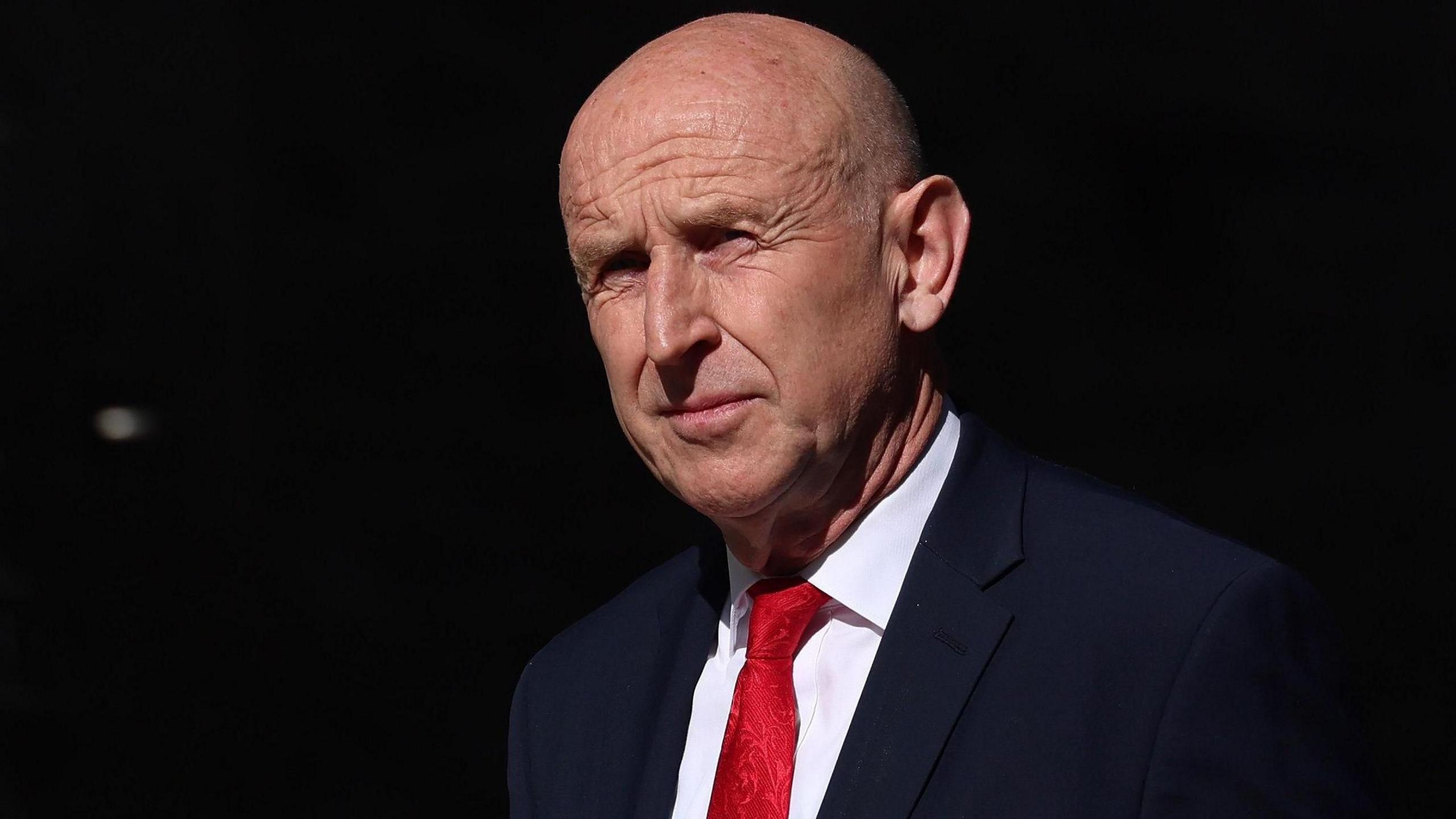
The UK budget delivered by Chancellor John Healey has drawn sharp criticism for prioritizing short-term political relief over long-term fiscal prudence, with the Institute for Fiscal Studies warning that the chancellor has weakened the Exchequer's ability to withstand economic shocks.
IFS Warns of Fiscal Risks
The IFS director Helen Miller said Healey's decision to dip into reserves to fund the Defence Investment Plan was "categorically not what the reserves are for." Reserves are meant for unforeseen contingencies, not new spending commitments. Combined with reduced headroom against fiscal rules due to higher debt interest costs, the IFS warned the budget thins the buffer against unexpected events, a move that appears reckless given oil prices already exceeding Office for Budget Responsibility forecasts.
Living Standards Stagnation
Analysis from the OBR, IFS, and Resolution Foundation shows the 2020s on track to be the worst decade for living standards since World War II. Real household disposable income per person in 2029 is projected to be just 1% higher than in 2019, a "depressing" outlook that temporary cost-of-living packages cannot fix.
Tax Complexity and Growth
The budget introduces fiddly schemes and gimmicky complications, including what Miller called "bonkers" capital gains tax relief for business founders. The result is an even longer tax code that could suffocate entrepreneurial activity. A bolder approach to growth would require a tax regime that encourages wealth creation and employment.
Brexit and EU Relations
Healey's post-budget interviews revealed a divergence from Prime Minister Andy Burnham on Europe. Healey rejected rejoining the EU single market, stating "freedom of movement is not on the agenda" for this parliament, while Burnham called for an open discussion of all options, including rejoining. The editorial argues that reversing the damage from leaving the EU market is essential for stronger growth.
Defence Spending and Devolution
Welcome elements include the commitment to raise defence spending to 3% of national income by 2030, modest tax rises, and initial steps toward devolving tax-raising powers to mayors. However, Healey's willingness to gamble with public finances, complicate the tax system, and ignore potential benefits of closer EU integration give cause for concern.


