
By Fatma Younis
Driverless trucks equipped with artificial intelligence have begun operating on limited routes in Texas and California, signaling a potential shift in freight shipping. While simulations show automated fleets could improve safety, fuel economy and transit times, significant technical hurdles remain before widespread adoption.
Potential benefits of automation
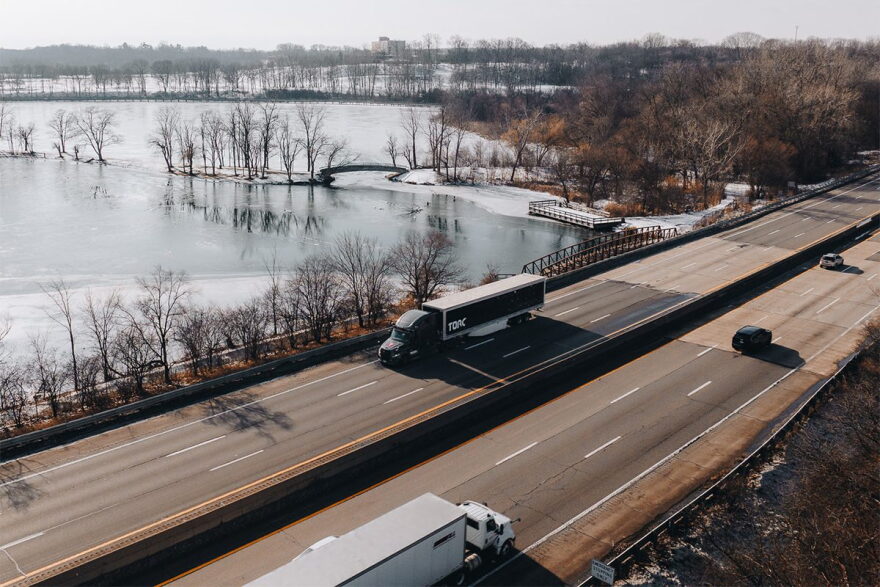
Fully automated trucks use AI, machine learning, computer vision and adaptive decision-making to navigate highways in good weather without human intervention. Companies like Torc combine data from multiple sensors to predict truck performance. Data from modern rigs with automatic emergency braking and lane-keeping assistance suggest driverless trucks could reduce crash frequency and severity. Optimized acceleration and braking, plus close-knit convoy platooning, would save fuel and costs. The vehicles could run nearly 24 hours a day, reducing parking needs and idling emissions, while also easing the ongoing driver shortage by making the job less physically demanding.
Weather and work zones pose difficulties
The main barrier to deployment is the difficulty of operating in variable weather, changing road conditions and alongside unpredictable human drivers. Snow and rain impede sensors, radars and cameras from "seeing" the roadway, a problem that confines driverless taxi operations like Waymo to snow-free areas. Construction zones with orange cones, narrow lanes and missing lane lines are similarly challenging. Research also indicates human drivers crash into driverless vehicles at higher rates than into human-driven ones.
Human drivers still needed for now
Shannon Roberts, an associate professor of industrial engineering at UMass Amherst, argues that automated trucks and human drivers will likely work together for quite some time. Truck makers and operators must still resolve how automated systems will handle adverse conditions and whether a human presence remains necessary inside the cab.
