By Islam El-Sakka
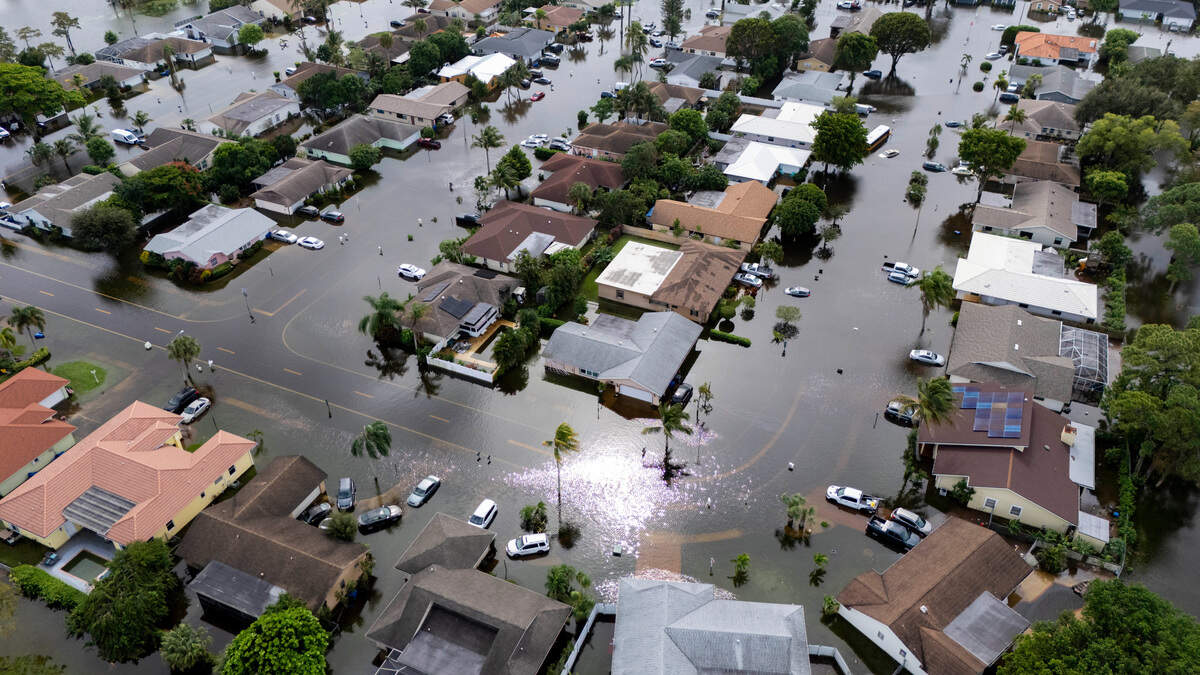
Despite heavy rain from storms Austen and Boelo, large parts of England remain officially in drought, with experts warning that the coming winter months will determine whether water supplies recover or the crisis extends into next summer.
Severe Drought Persists Across Southern England
The Environment Agency has declared severe drought, its highest alert level, across parts of Cornwall, Devon, Dorset, Somerset and Sussex. South-west and south-east England have recorded their driest April-to-September period in more than a century, alongside record summer heat.
Winter Rainfall Critical for Groundwater Recharge
Winter is the season when the UK typically refills its water stores. Between October and March, lower evaporation and reduced plant uptake allow rain to soak deep into the ground, replenishing groundwater held in chalk and sandstone aquifers that supply much of southern and eastern England’s drinking water. Groundwater acts like a bank account: a dry summer withdraws heavily, and a dry winter fails to deposit the needed recharge.
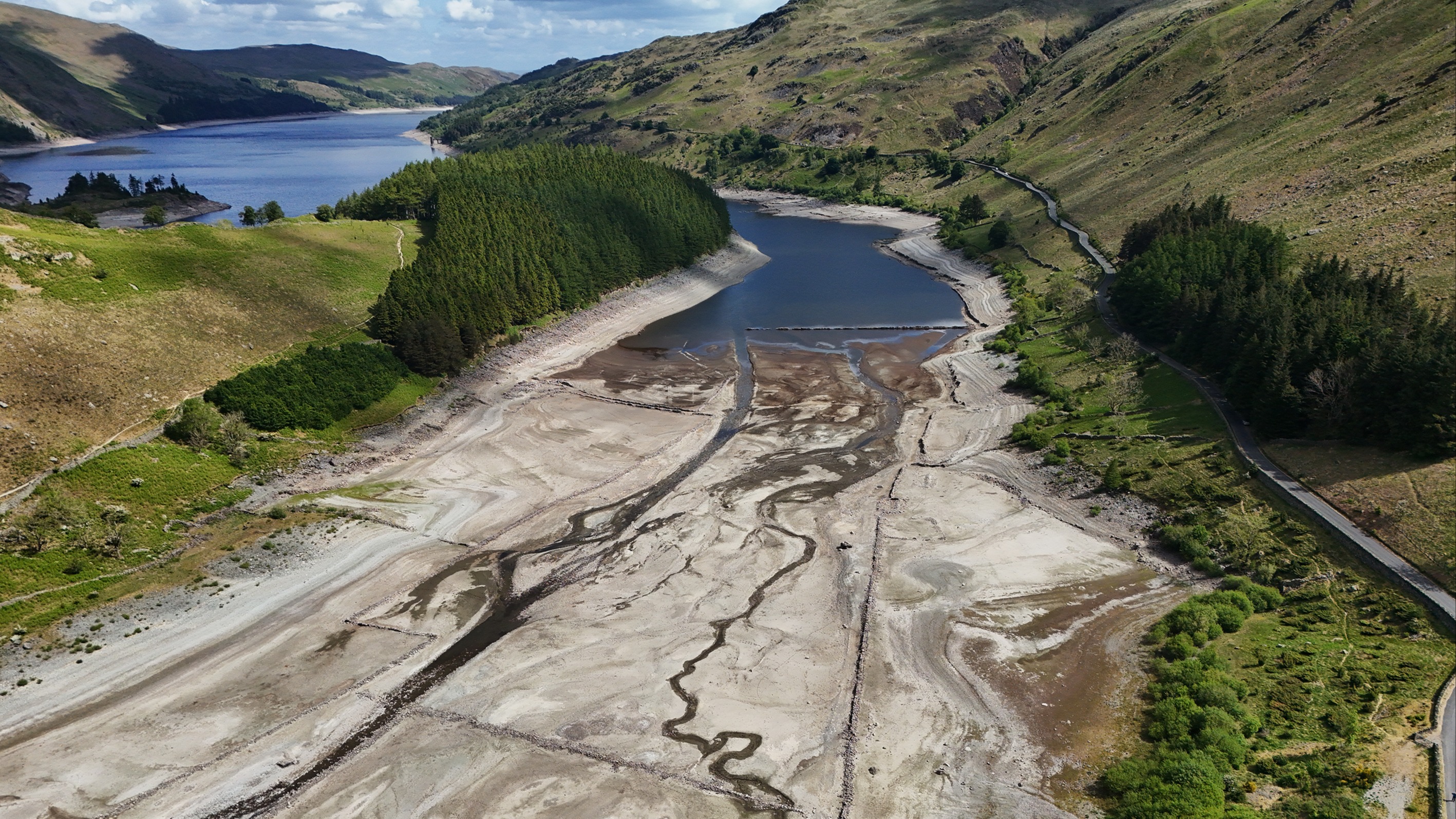
Reservoir Levels Alarmingly Low
Wimbleball Reservoir on Exmoor, which serves about 400,000 people, was full in March after an exceptionally wet winter. By October its level had fallen to roughly 13 percent, illustrating how quickly conditions have deteriorated.
Historical Precedent Shows Risk of Prolonged Dry Winters
Droughts that persist into winter are rare in the UK. During the 2010-2012 drought, two consecutive dry winters left groundwater so low that hosepipe bans were imposed in spring 2012. The situation reversed abruptly when the wettest April on record triggered widespread flooding.
Climate Change Drives More Frequent Drought Cycles
This is the third drought in England in five years, leaving water stores little time to recover. Experts note that the country can experience drought and flooding simultaneously: intense storms overwhelm drainage and cause flash floods, while the deeper reservoirs and aquifers that supply taps respond far more slowly.