By Sohaib Shams
U.S. inflation accelerated in September, according to Commerce Department data released Thursday, less than a week before midterm elections in which the high cost of living has become a central issue.
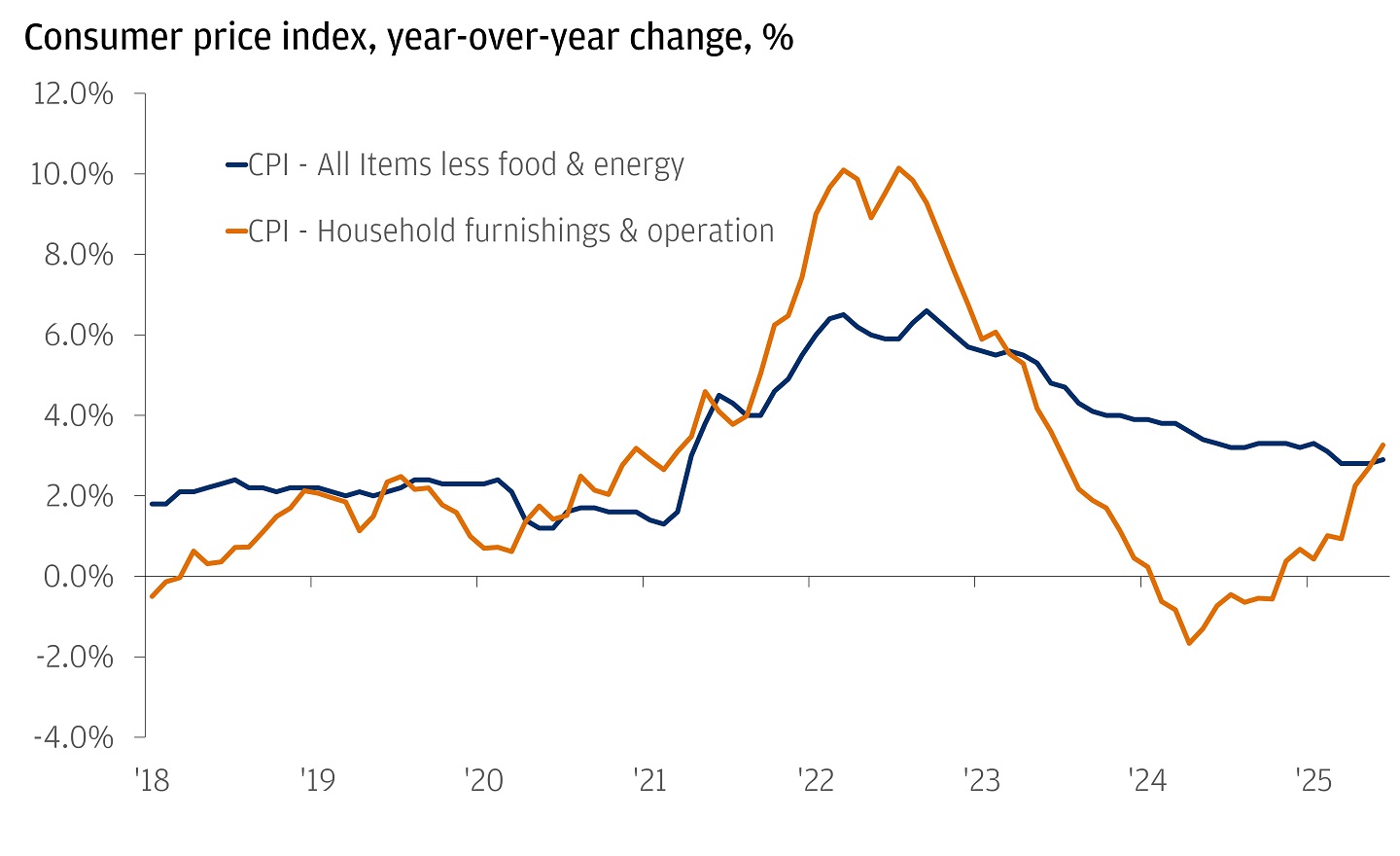
Consumer prices rose 3.6% from a year earlier, up from 3.4% in August. On a monthly basis, prices climbed 0.5%, the largest increase since May. Rising gasoline prices drove much of the increase as renewed violence in the Middle East kept oil prices above $100 a barrel, up from below $70 before the Iran war.
Excluding volatile food and energy categories, core inflation also picked up. Core prices increased 3.1% annually, up from 3% in August, and rose 0.3% from August to September. Service costs such as shipping, hotel rooms, and utilities rose rapidly, a sign that price pressures are broadening.
The economy grew at a 3.4% annual rate in the July-September quarter, faster than the 2.2% pace in the previous quarter, fueled by strong consumer spending and business investment in artificial intelligence infrastructure. Consumer spending jumped 3.8% at an annual rate. However, inflation-adjusted incomes fell 0.3% in September, suggesting households are drawing down savings or relying on credit to sustain spending.
The Federal Reserve left its key interest rate unchanged a day earlier, but persistent inflation and robust growth increase the likelihood of a rate hike at the Fed's December meeting. The Fed closely monitors the personal consumption expenditures price index, which typically echoes the consumer price index but puts less weight on housing and accounts for changes in shopping habits.