
By Basant El-Faramawy
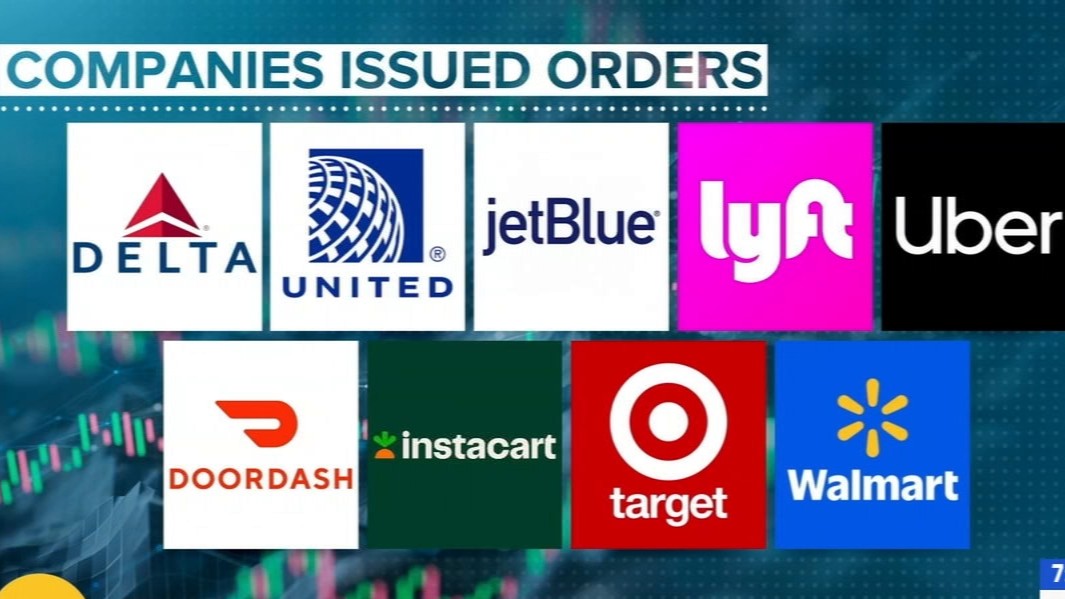
The Federal Trade Commission has ordered nine major companies — Delta, United, JetBlue, Lyft, Uber, DoorDash, Instacart, Target and Walmart — to hand over information on how they use algorithms and loyalty programs to charge different prices for the same products or services and to pay different wages to gig workers.
Scope of the Inquiry
The FTC said it will scrutinize the opaque methodology these companies may use to determine consumer prices and worker pay. Chair Andrew Ferguson stated the agency will assess whether pricing for a ticket, ride-share, food delivery or other service varies from person to person based on loyalty-program participation or analysis of personal data by advanced algorithms.
Regulatory Limits and State Action
The FTC is tasked with policing unfair or deceptive practices in industries except banking and airlines, meaning it cannot impose fines or regulations on the airlines named. However, its consumer protection division has joined with states to pursue legal action against some companies. Several states have begun introducing legislation to ban surveillance pricing and electronic shelf labels that could set different prices based on shoppers' habits and online information.
Background and Skepticism
The probe follows a July 2024 Biden administration inquiry into surveillance pricing that demanded information from firms offering such products to consumer-facing companies. In January 2025, the FTC found that details like a person's precise location or browser history are frequently used to target individual consumers with different prices. Former FTC commissioner Rohit Chopra, now head of California's Business and Consumer Protection Agency, expressed doubt that the inquiry will lead to substantial rule-making changes.


