
By Basant El-Faramawy
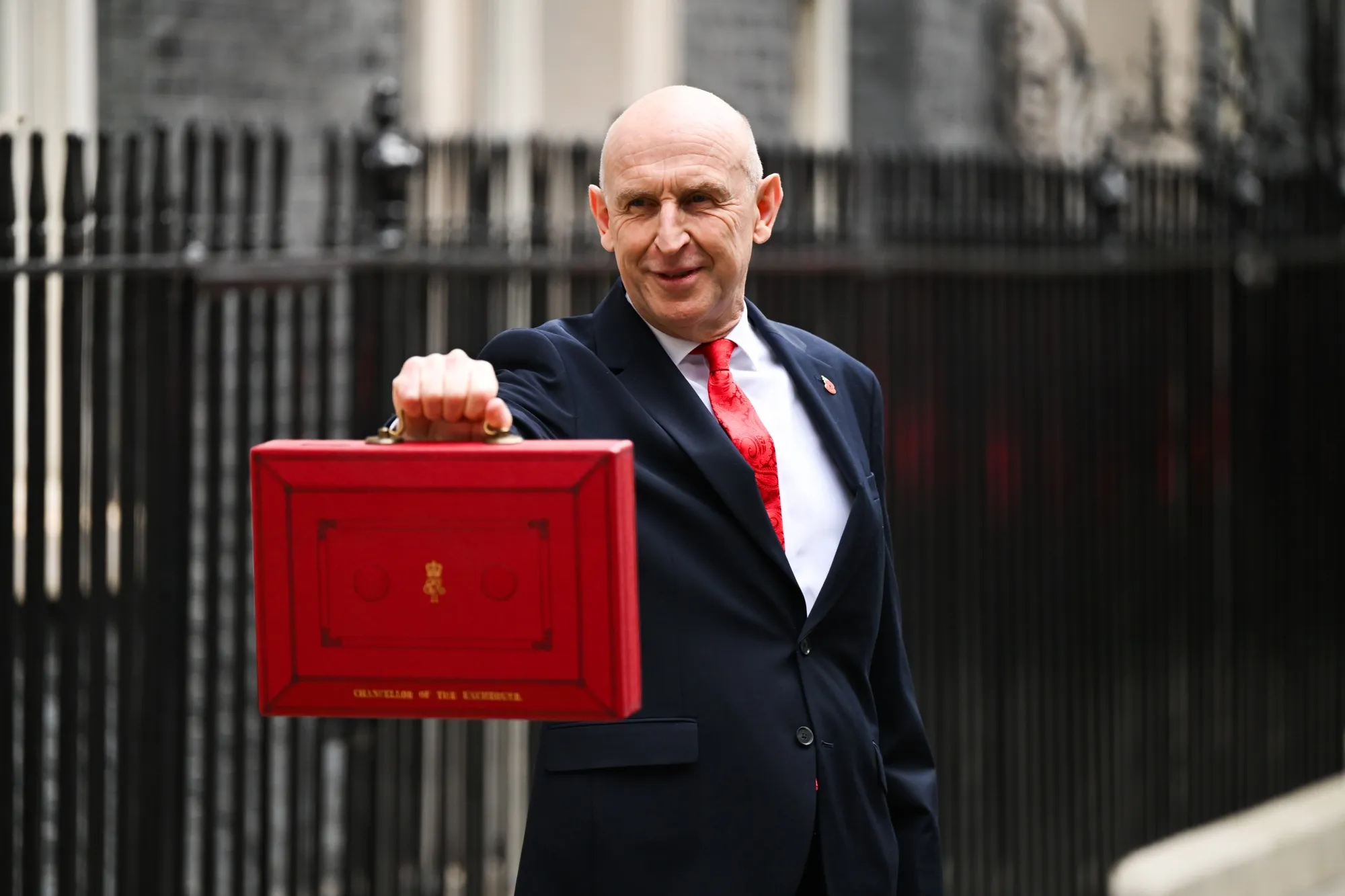
Chancellor John Healey has signalled that major departmental spending cuts will be needed to fund government policies at next year's spending review, warning the UK faces more "hard decisions" on spending priorities. He made the comments after delivering his first Budget, which he defended as significant despite criticism from opposition parties and leading think tanks.
Budget Details and Defence Commitment
Healey's Budget committed to spending 3% of economic output on defence by 2030 and fully funding a £4.7 billion shortfall in the defence investment plan left by Prime Minister Andy Burnham. The Chancellor highlighted energy reforms offering millions of households £100 to help with soaring energy bills as among the "big decisions" in the statement.
Departmental Cuts to Fund Defence Shortfall
According to Budget documents, the defence shortfall will be covered through reprioritisation of capital budgets. Departments across government will be asked to reduce capital budgets by 1% each between 2027-28 and 2029-30 to raise approximately £3 billion, with the remaining £1.7 billion coming from an unallocated contingency in the Treasury's capital reserve.
Criticism from Opposition and Think Tanks
Tory leader Kemi Badenoch described the Budget as "not good enough, not strong enough, not bold enough," while Reform UK's Treasury spokesman Robert Jenrick called it a "nothing burger." The Institute for Fiscal Studies said the "raft of fiddly measures" would do little to boost growth and delayed tough decisions, while the Resolution Foundation argued Healey had "spread the jam thin" on cost-of-living support.
Welfare Reform and Future Spending Review
Healey denied postponing difficult welfare decisions, citing measures including reinstated face-to-face assessments and changes to universal credit terms. He told the BBC there would be a reduction in the benefits bill "in a Labour way," though Treasury officials later stressed no timeframe was set. The Chancellor told Bloomberg that Cabinet colleagues would need to exert "fiscal discipline" heading into the spending review, which will be framed by the government's 10-year plan for Britain.


