
By Islam El-Sakka
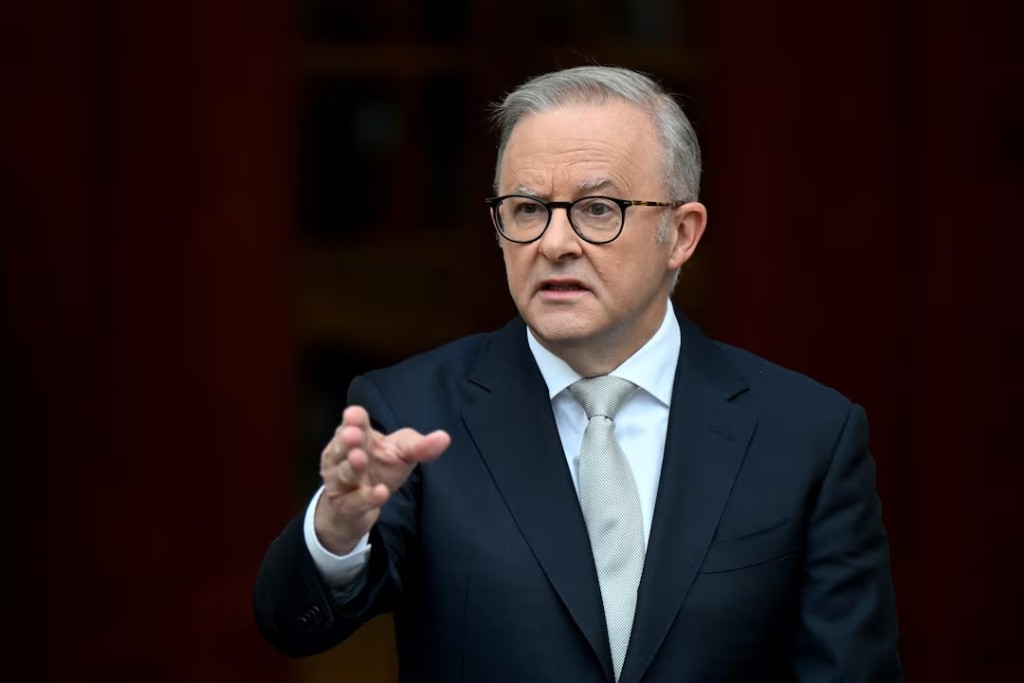
Australian Prime Minister Anthony Albanese has acknowledged the need for budget savings as his government faces mounting criticism over rising living costs, while ruling out major cuts to health, education and essential services ahead of a mid-year budget update in December.
Internal Labor Pressure Mounts
Pressure is growing from within Labor ranks, with some MPs calling for radical measures such as price caps on essential groceries. Former industry minister Ed Husic this week advocated controls on bread, milk, meat and fresh produce prices.
Inflation and Interest Rate Concerns
Australia's headline inflation rose to 4.3%, increasing expectations of a fifth interest rate hike in 2026 on Melbourne Cup day. The cash rate already stands at 4.6%, its highest in 15 years, and a move to 4.85% would reach an 18-year high, further straining household budgets. Transport costs have risen 8.7% over the past year, food prices 3.2%, and housing costs 5.2%.
Government Defends Health and Education Funding
Albanese said the government would not "rip tens of billions of dollars out of health and education," contrasting its approach with the previous Coalition government. Savings efforts are underway, including a plan to reduce the private health insurance rebate for people over 65, which would save about $3 billion over four years for aged care. The proposal appears to have little support in parliament, with the Coalition opposed.
Opposition Criticizes Budget Management
Treasurer Jim Chalmers blamed accelerating inflation on a faster-than-expected private sector recovery and a global fuel shock linked to the US-Israel conflict with Iran. The opposition, led by shadow treasurer Tim Wilson, argues Labor's budget settings are forcing families to pay more for everything, while the budget update is also expected to be buffeted by higher government debt costs due to global bond market conditions.


