
By Islam El-Sakka
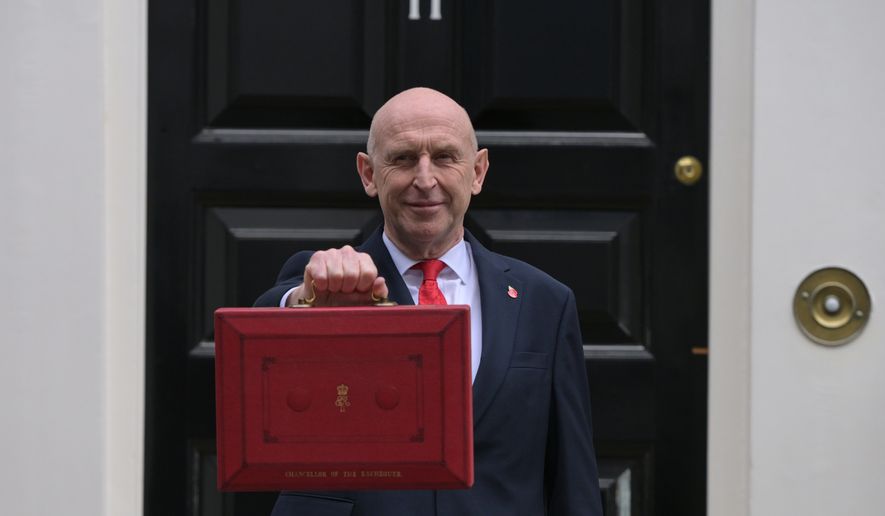
UK Chancellor John Healey has unveiled a package of support measures aimed at easing pressure on household energy bills amid rising global oil and gas prices. The announcements, made in his maiden budget, include a one-off £100 payment for millions of households, plans to scrap gas standing charges, extended VAT relief on electricity, low-carbon home upgrade loans, and a future debt relief scheme.
£100 Household Energy Payment
A one-off £100 payment will be made in January to 20 million households in council tax bands A to D, costing £2.6 billion. The payment is intended to provide breathing space during the coldest months and will be in addition to the existing Warm Home Discount, which gives £150 to about six million means-tested households. Martin Lewis of MoneySavingExpert.com warned that households could still face a 25% cost increase from January and that council tax bands are an imperfect proxy for income.
End to Gas Standing Charges
Healey pledged to remove “unfair and outdated” standing charges on gas bills for 23 million homes by 2027 or as soon as possible after. The change could save almost two-thirds of households an average of £45 a year. However, households with high gas use, including some low-income families in poorly insulated homes, may see bills rise as costs shift to higher unit prices. Analysis from Uswitch.com suggests a typical household using 11,500 kWh of gas would see little change.
Lower Electricity Levies
The government has already removed the 5% VAT levy on electricity bills for 29 million households, saving about £45 a year, and will extend the relief until July, raising annual savings to £50. Further cuts to electricity levies over the past year have shaved roughly £150 off bills. Healey also confirmed consideration of removing electricity standing charges, which add about £200 a year to the average bill, and said a new cost control framework would drive down all aspects of energy costs. Adjustments to renewable subsidy schemes are expected to lower electricity costs by £42 a year, and plans for a hydrogen levy have been scrapped.
Low-Carbon Home Upgrades
A new Warm Home Loans scheme, launched this week, offers government-backed loans of up to £35,000 for low-carbon energy alternatives such as solar panels, home batteries, and heat pumps. The government estimates households could save up to £550 a year on energy bills with such upgrades, rising by a further £300 with time-of-use tariffs. The existing boiler upgrade scheme provides grants of up to £7,500 toward heat pump installation, while off-gas-grid households can access grants of up to £9,000 a year.
Energy Debt Relief
Total household energy debt has tripled since 2021 to a record £5 billion and could reach £7 billion by year-end. A targeted debt relief scheme, details of which will follow in early 2027, aims to help those with debts from the 2022-24 energy crisis who have little prospect of repayment. Research charity Nesta suggested relief for about two million households could cost £2.7 billion and would also cut the £29 a year all households pay to cover unpaid bills.


