By Basant El-Faramawy
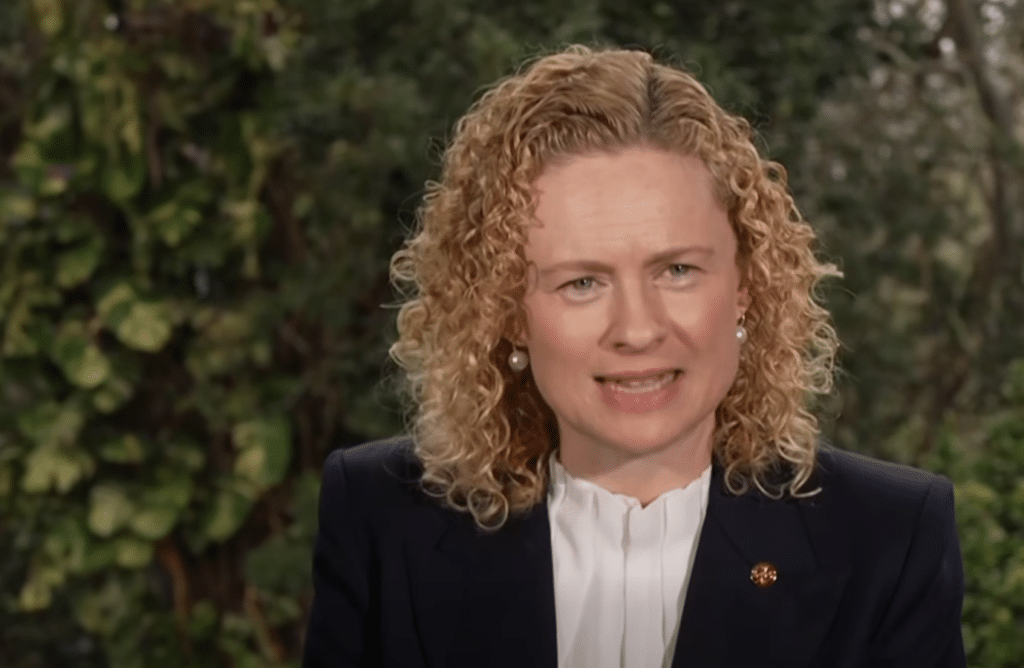
Queensland's new minister for the prevention of domestic violence, Amanda Stoker, is facing criticism over past statements questioning the credibility of women who allege violence.
Resurfaced Comments
Stoker, a former federal senator and right-wing MP, was appointed to the role on Saturday. In a 2023 opinion piece for the Menzies Research Centre, she argued that the push to "blindly #believeher" rather than carefully assess evidence could harm innocent defendants. She has repeatedly suggested that false allegations of sexual assault occur.
Advocates and Experts Respond
Women's safety advocates, including former Australian of the Year Grace Tame, called the appointment disappointing. Tame said Stoker's views play into gaslighting of victim-survivors. The CEO of Full Stop Australia, Karen Bevan, warned that leaders' rhetoric affects whether victims come forward, noting that 92% of Queensland women who experience sexual assault never report it to police.
Queensland Police Service data indicates false allegations are very low, and the service says the myth of widespread false reporting contributes to under-reporting. Research supports that false allegations in sexual and domestic violence cases are rare.
Government and Minister's Response
Stoker's office did not directly address whether her past statements align with the government's promise to put victims at the heart of policy. A spokesperson said her comments have broader context, highlighted her legal background and commitment to procedural fairness, and said she supports the Crisafulli government's policy direction.
Stoker has also not responded to questions about safeguarding measures such as allowing victim-survivors to give evidence from a safe room. In her 2023 article, she wrote that removing the right to face one's accuser would increase the number of innocent people punished.
Some community sector workers expressed private concerns about Stoker overseeing the portfolio, which includes child safety, but declined to speak publicly due to fears of funding cuts and government pressure.