By Basant El-Faramawy
Agentic artificial intelligence is gaining popularity far beyond tech circles, with companies such as Meta, OpenAI, Anthropic, and xAI competing in the growing market for consumer-friendly AI agents. While leading AI labs have offered tools with agentic capabilities for years, agents designed to work proactively on a user's behalf — from buying groceries to managing to-do lists — have taken off this year.
Using a 'stack' of agents
Experts recommend using multiple agents from different AI labs because no single agent can do everything. Business consultant Jose Artigas relies on a "stack" of tools, and Clara Gigling, founder of Oudae Labs, employs a system of checks and balances where one agent performs a task and another critiques it to catch mistakes and improve output.
Matching agents to tasks
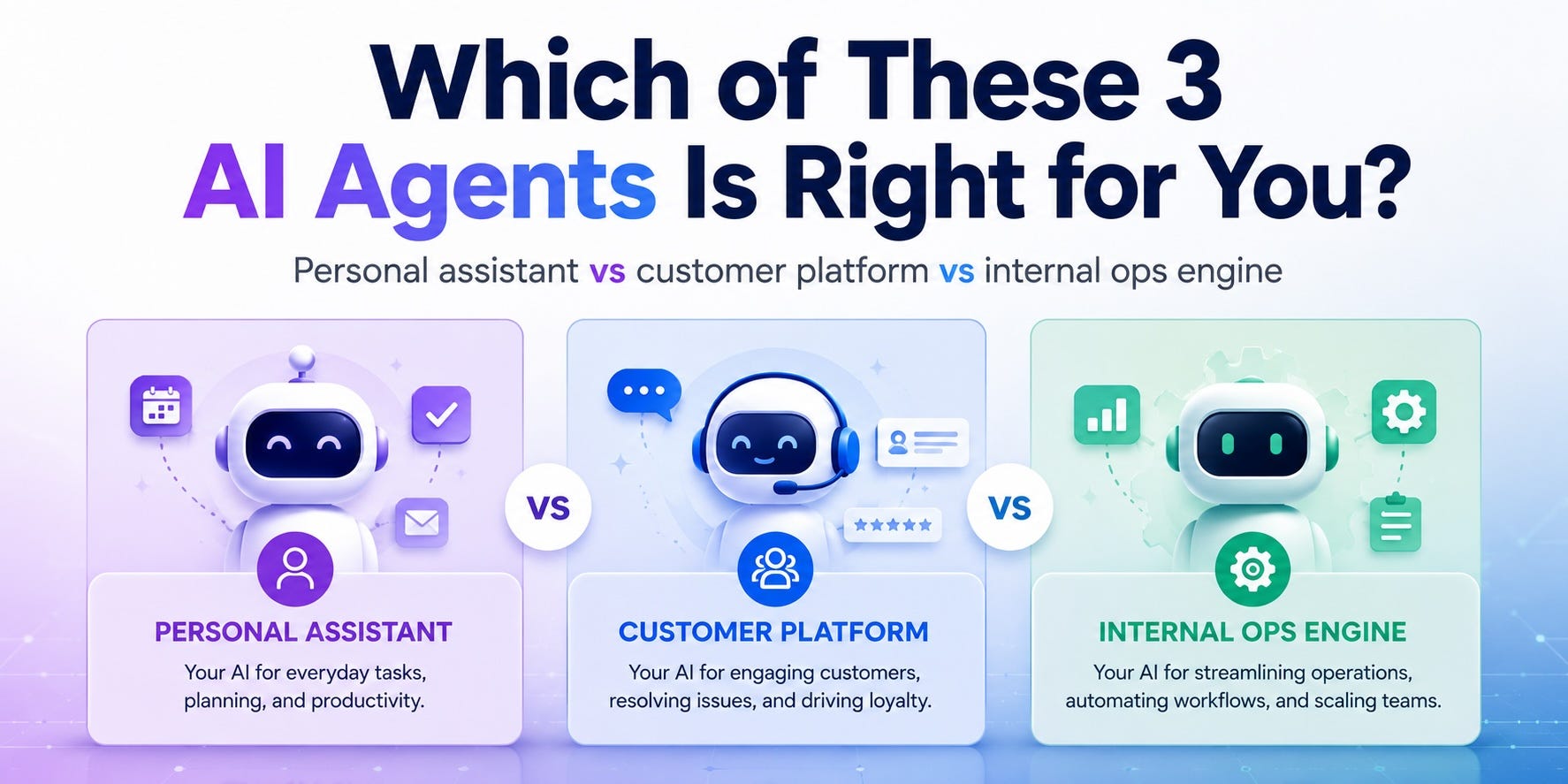
Each company markets its consumer-facing agent with a slightly different focus. Anthropic's Claude Duet targets professionals and small business owners. Meta's Muse aims to help with personal tasks like saving money, improving health, smart shopping, and strengthening relationships. OpenAI's Dots and xAI's Grok Bot are positioned as colleagues or chiefs of staff, while Spear Street Technology's Instinct functions more like a personal assistant. Artigas suggests Claude Duet for side hustles or new businesses, Dots for specialized technical work, and Instinct for tedious emails or travel bookings. He notes Muse is a good starting point for novices due to its user-friendly prompts.
Trial and error
Preferences for interaction style, communication, and perceived quality should guide which agents to use and which tasks to delegate. Experts advise testing agents with specific, recurring online tasks — such as drafting a long email or booking a flight — while noting agents cannot handle physical chores like laundry or organizing a junk drawer.
Privacy considerations
For an agent to act effectively as a proactive assistant, it needs access to personal data including inbox, calendar, identification, and even credit card or bank details. This raises privacy concerns. Gigling recommends curiosity and experimentation but urges mindfulness when sharing private information. Companies offering personal agents have introduced privacy policies outlining how agents operate on dedicated cloud computers and how users can control memory retention.